

Your daily 5-a-day fruit and veg choices may not be enough if you pick randomly, according to nutrition professor Gunther Kuhnle from the University of Reading. His research suggests that not all produce is created equal when it comes to delivering key bioactive compounds. This finding challenges the common assumption that any five servings will do.
While most people know they should eat five portions of fruit and vegetables daily, few realize that the specific types matter. The study highlights that flavanols, a group of bioactives found in certain plant foods, are crucial for health. A random selection might fall short of the recommended intake.
Find Original Home Decor sparking conversation at Grand Goldman Shop.

What Are Flavanols and Why Do They Matter?
Flavanols are natural compounds found in many fruits and vegetables. They exert biological effects that contribute to better health, such as supporting heart health and reducing inflammation. According to the research, we need about 500 milligrams of flavanols daily to experience these benefits.
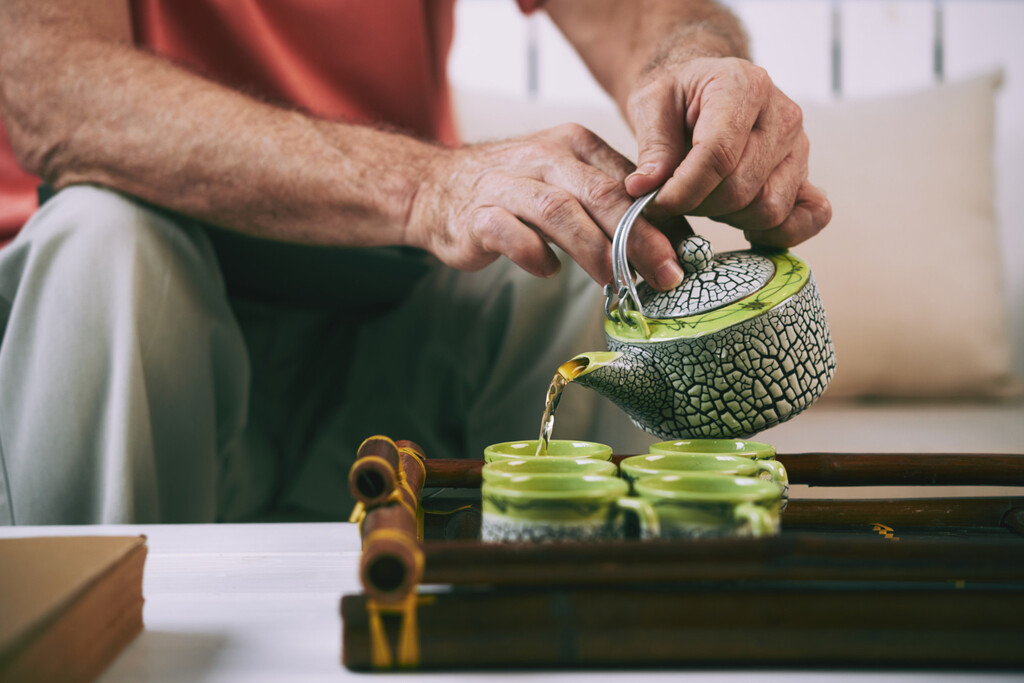
The study aimed to see if a normal diet could provide this amount and whether it correlates with eating five servings of produce. The results showed that it is possible to reach 500mg through diet alone, without supplements. However, it requires choosing the right foods.
Which Fruits and Vegetables Are Rich in Flavanols?
Not all produce contains high levels of flavanols. Some are particularly rich sources. Here are key examples to include in your diet:
- Apples – especially with the skin on.
- Berries – such as blueberries, strawberries, and blackberries.
- Tea – both green and black tea are excellent sources.
- Cocoa – dark chocolate and cocoa powder.
- Grapes – and red wine in moderation.
Incorporating these foods into your daily meals can help you reach the recommended flavanol intake. For example, a snack of berries or a cup of tea can boost your levels significantly.
How Does This Affect Your Health?
Flavanols have been linked to improved cardiovascular health, better cognitive function, and reduced risk of certain diseases. The research emphasizes that relying on a random mix of five portions might not provide enough flavanols to achieve these benefits.
For older adults, this is particularly important as they are more vulnerable to health issues. Ensuring adequate flavanol intake can support healthy aging. The study suggests that being mindful of the types of produce you eat is key.
Practical Tips for Your 5-a-Day
To make the most of your five portions, focus on variety and include flavanol-rich options. Here are some practical tips:
| Food | Flavanol Content (approx.) | Tips |
|---|---|---|
| Apples | Moderate | Eat with skin for maximum benefit. |
| Berries | High | Add to breakfast or snacks. |
| Tea | High | Drink 1-2 cups daily. |
| Dark chocolate | High | Choose 70% cocoa or higher. |
By choosing these foods, you can easily meet the 500mg target. For instance, a cup of blueberries and a cup of green tea can provide a significant portion of your daily needs. The background to this story is set out in Australia’s Best-Value Fruit and Veg for October. A related thread runs through Australia's Best September Fruit and Veg: Artichokes and Oranges. Earlier coverage in Celery and Blood Oranges Top Australia’s Best Fruit and Veg for shows how the argument developed.
What This Means for Public Health Recommendations
The study's findings suggest that public health messages might need to be more specific. Instead of just promoting five portions, guidelines could emphasize the importance of flavanol-rich foods. This could help people optimize their health outcomes. A closer look at the same subject appears in Why Melons and Cool Fruits Rule August: Light, Sweet, Easy. Anyone following the wider picture can start with Banana in Berry Smoothies Blocks Flavanols, Study Finds. The same theme surfaces in Small Wooden Rack for Fruits and Vegetables, which takes a different angle.
For the elderly, who often have specific nutritional needs, this information is vital. Caregivers and healthcare providers should consider advising on flavanol-rich choices to support overall well-being. Context on how this played out before sits in Cool Fruits in August: Why Melons and Watermelon Rule. A companion piece, Healthy Eating Made Simple: Expert Nutrition Advice for Seniors, approaches the same subject from another angle.
FAQ
What are flavanols and why are they important?
Flavanols are bioactive compounds found in certain fruits and vegetables. They have antioxidant and anti-inflammatory effects that contribute to heart health and overall well-being. The recommended daily intake is 500mg to experience benefits.
Can I get enough flavanols from a normal diet?
Yes, according to the study, a normal diet can provide 500mg of flavanols if you choose the right foods. Incorporating flavanol-rich fruits, vegetables, tea, and cocoa can help you meet the target without supplements.
Which fruits and vegetables are highest in flavanols?
Apples, berries, grapes, and tea are among the best sources. Dark chocolate and cocoa also contain high levels. Including these in your daily meals can boost your flavanol intake significantly.
Should I take flavanol supplements?
The study indicates that supplements are not necessary if you consume a balanced diet rich in flavanol-containing foods. However, always consult a healthcare provider before starting any supplement.
Browse the Shop
 Acacia frida deluxe solid wood bed frame |
Bedroom bench |
Bed chest drawers |
Lingerie dresser |
Frame base |
Mirror with jewelry storage |
30 Bathroom Vanity |
Memory foam queen mattress |
Mattresses for back pain |
Nightstand set of 2 |
Grand Goldman Shop |
Civil Lawyer
Deutschland Trikot WM 2026







