

The European Space Agency (ESA) has successfully completed a 9-day simulation of its Rosalind Franklin rover in the Almería desert, a crucial step in preparing for the ExoMars mission to Mars in 2028. The test, which took place in the Tabernas Desert, involved a team of 15 people and aimed to validate remote control operations for the rover.
The simulation was conducted in one of the world's best Mars analogs, where the rover, nicknamed Charlie, was put through its paces. The Almería desert's unique geological features, including the jarosite mineral first described in 1852, make it an ideal testing ground for Mars exploration.
Find Original, High-end Home Decor that spark conversation at Grand Goldman Shop.
Why the Almería Desert?
The Tabernas Desert in Almería, Spain, is renowned for its Mars-like terrain. Its dry, rocky landscape and mineral composition closely resemble conditions on the Red Planet. In fact, jarosite—a mineral first identified in the Barranco del Jaroso in 1852—was later detected on Mars by the Opportunity rover in 2004. This connection highlights the desert's relevance for testing Mars-bound instruments.
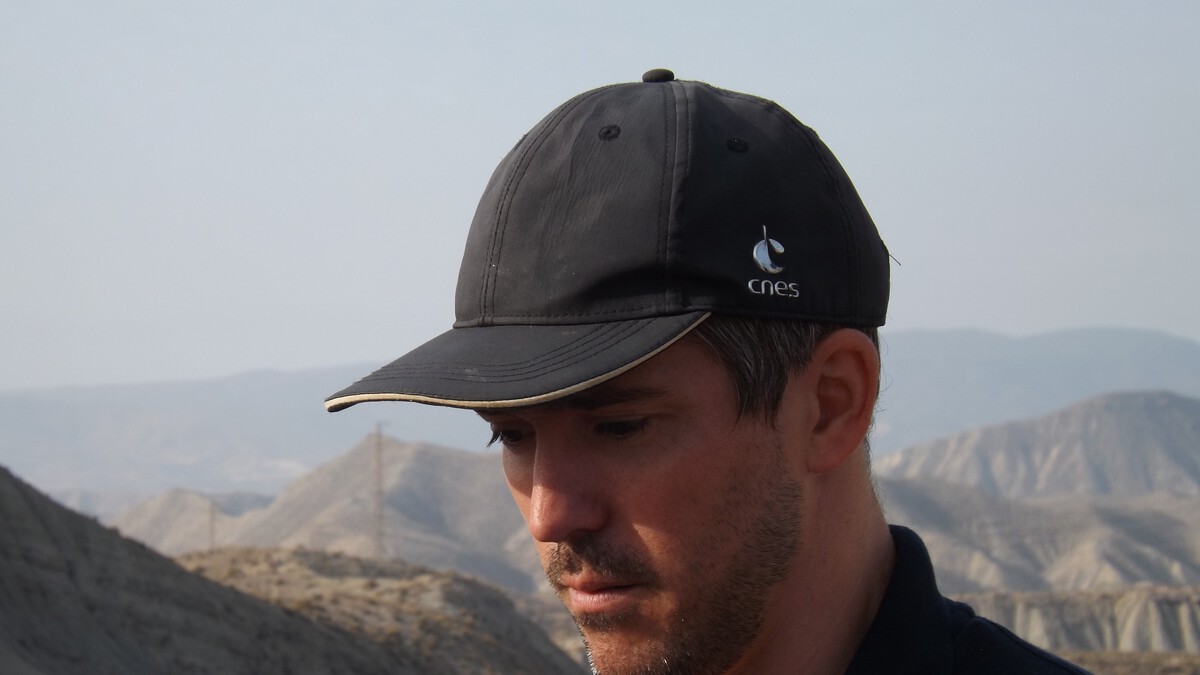
ESA scientists have long used terrestrial analogs to prepare for space missions. The Almería desert offers a unique combination of geological and environmental conditions that help researchers understand how the rover will perform on Mars. The recent simulation is part of a series of tests designed to ensure the rover can operate autonomously and be controlled remotely from Earth.
The Rosalind Franklin Rover
The Rosalind Franklin rover is the centerpiece of the ExoMars mission, a joint endeavor between ESA and Roscosmos. Scheduled to launch in 2028, the rover will search for signs of past life on Mars by drilling into the surface and analyzing samples. The mission is Europe's first rover to the Red Planet and represents a significant step in planetary exploration.
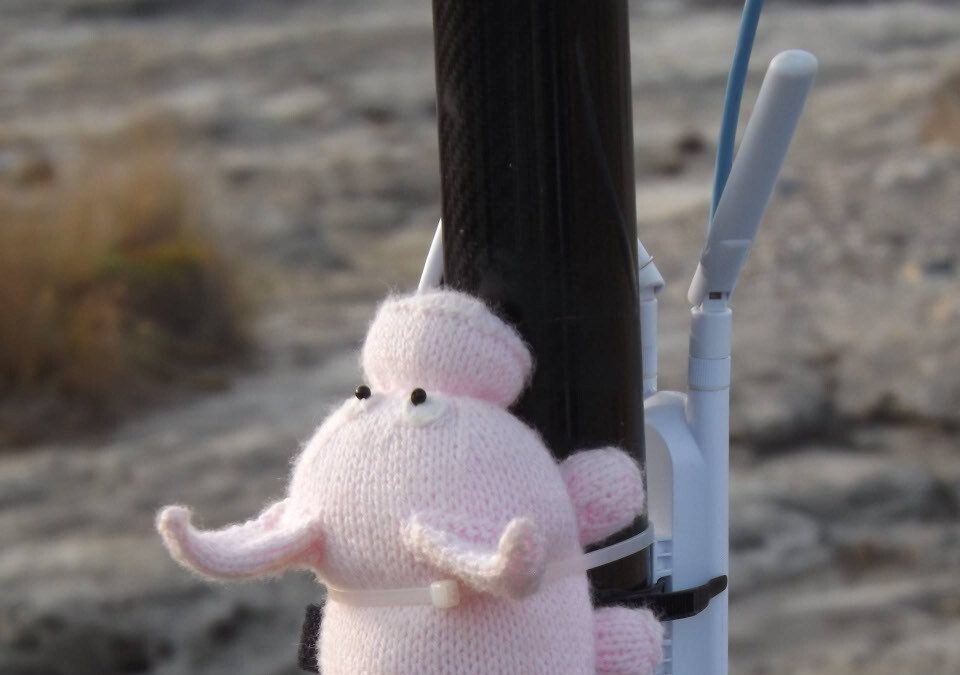
Named after the British chemist Rosalind Franklin, whose work was crucial in understanding the structure of DNA, the rover carries a suite of scientific instruments, including a drill that can reach two meters below the surface. This depth is essential for accessing samples that may have been shielded from the harsh radiation and oxidizing conditions on Mars.
Simulation Details and Objectives
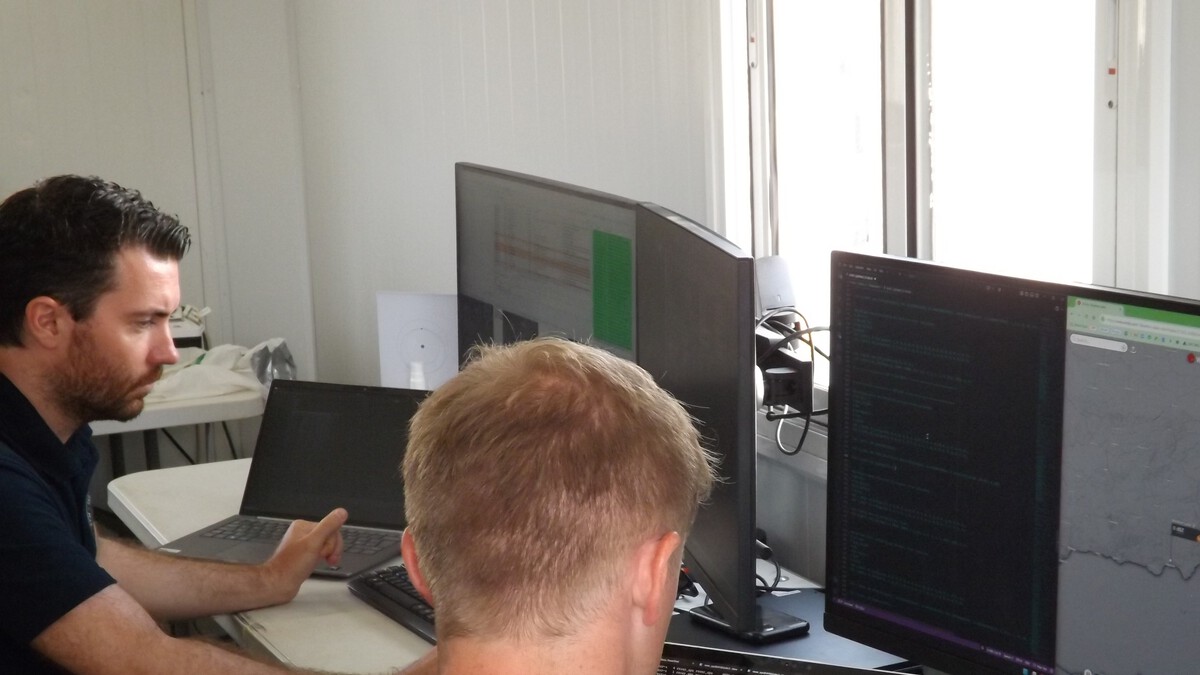
During the 9-day simulation, the team tested various aspects of rover operations, including remote control, navigation, and scientific data collection. The goal was to mimic the communication delays and operational constraints that will be encountered during the actual mission. Because signals take between 4 and 24 minutes to travel between Earth and Mars, the rover must be capable of executing commands with some autonomy.
The simulation also served to train the operations team. By working in a realistic environment, engineers and scientists can identify potential issues and refine procedures before the actual mission. The team lived and worked in the desert for three weeks, setting up camp and conducting daily operations as if they were controlling a rover on Mars.
Key Takeaways from the Simulation
- The 9-day simulation validated remote control protocols for the Rosalind Franklin rover.
- The Almería desert provides a realistic Mars analog due to its geological similarities.
- The test involved a team of 15 people and included realistic communication delays.
- Lessons learned will help refine operations for the 2028 ExoMars mission.
- The rover, nicknamed Charlie, is a prototype for the actual Rosalind Franklin rover.
Challenges of Remote Rover Control
Controlling a rover on Mars is not like driving a remote-controlled car. The vast distance means that real-time control is impossible. Instead, operators must plan commands in advance and rely on the rover's autonomous systems to carry them out safely. The simulation tested these autonomous capabilities, including obstacle avoidance and self-navigation.
Another challenge is the limited bandwidth for communication. The rover can only send data back to Earth at certain rates, and the team must prioritize which data to transmit. During the simulation, the team practiced these decisions, ensuring that the most important scientific data would be captured and sent back.
The Importance of Mars Analogs
Mars analogs like the Almería desert are essential for testing equipment and procedures. They allow scientists and engineers to simulate the conditions of Mars without the expense and risk of an actual space mission. Other Mars analogs include the Atacama Desert in Chile, Antarctica's Dry Valleys, and Devon Island in Canada. The longer history behind the story is traced in ESA Tests Rosalind Franklin Rover in Almería Desert Simulation.
The Almería desert stands out because of its accessibility and the presence of jarosite, a mineral that forms in acidic, sulfate-rich environments. On Mars, jarosite is considered a potential indicator of past water activity and habitable conditions. By studying jarosite in Almería, scientists can better understand how to detect and analyze similar deposits on Mars. The background to this story is set out in Japan's MMX Mission to Mars Moons Set for Historic Launch. A related thread runs through Blue Giant by Jordan Prosser: A Mars Mission Book Review. Earlier coverage in Cristian Volpato Tests Positive for Cocaine in Roadside Test shows how the argument developed.
Comparison of Mars Analogs
| Location | Key Features | Why It's Used |
|---|---|---|
| Almería Desert, Spain | Jarosite deposits, dry terrain | Geological similarity to Mars, accessible |
| Atacama Desert, Chile | Extreme aridity, high altitude | Tests for life detection in harsh conditions |
| Antarctica Dry Valleys | Cold, dry, isolated | Analog for icy Mars regions |
| Devon Island, Canada | Impact crater, permafrost | Tests for drilling and sample handling |
What's Next for ExoMars?
Following this successful simulation, the ESA team will analyze the data and incorporate lessons learned into the mission planning. The Rosalind Franklin rover is currently undergoing final assembly and testing in the UK. Once complete, it will be shipped to the launch site for a 2028 launch. A closer look at the same subject appears in Socceroos Star Cristian Volpato Tests Positive for Cocaine. Anyone following the wider picture can start with Science: latest articles. The same theme surfaces in Marie Curie and Einstein's 20-Year Letters Revealed, which takes a different angle.
The ExoMars mission is a collaborative effort involving ESA, Roscosmos, and numerous scientific institutions across Europe. The rover's primary goal is to search for evidence of past life on Mars, a question that has fascinated humanity for centuries. The mission also aims to characterize the Martian environment and prepare for future human exploration. Context on how this played out before sits in Google's AI Chip in Space: Testing Data Center Viability. A companion piece, SpaceX Launches Three Rockets in 13 Hours With Secret US Payload, approaches the same subject from another angle.
FAQ
What is the Rosalind Franklin rover?
The Rosalind Franklin rover is a European Space Agency rover designed to search for signs of past life on Mars. It is part of the ExoMars mission and is scheduled to launch in 2028. The rover is equipped with a drill that can reach two meters below the Martian surface to collect samples.
Why was the Almería desert chosen for the simulation?
The Almería desert in Spain was chosen because its geological features, including jarosite deposits, closely resemble those found on Mars. This makes it an ideal location to test the rover's instruments and operations under realistic conditions.
How long did the simulation last?
The simulation lasted 9 days, during which the team tested remote control operations and autonomous navigation. The team spent a total of three weeks in the desert to set up and conduct the tests.
What challenges does remote control of a Mars rover present?
Remote control of a Mars rover is challenging due to the communication delay between Earth and Mars, which can range from 4 to 24 minutes. This means operators cannot control the rover in real-time, so the rover must have autonomous capabilities to execute commands safely.
Browse the Shop
 Acacia frida deluxe solid wood bed frame |
Bedroom bench |
Bed chest drawers |
Lingerie dresser |
Frame base |
Mirror with jewelry storage |
30 Bathroom Vanity |
Memory foam queen mattress |
Mattresses for back pain |
Nightstand set of 2 |
Grand Goldman Shop |
Civil Lawyer
Deutschland Trikot WM 2026










