

NASA's Artemis II mission has achieved a new milestone: astronauts aboard the Orion spacecraft have successfully made video calls from deep space, over 300,000 kilometers from Earth. Using a platform called VSee, the crew demonstrated that real-time video communication is possible even beyond the Moon, marking a significant step for future long-duration missions to Mars and beyond.
The mission, which launched on April 2, 2026, is the first crewed flight to the lunar vicinity in more than 50 years. While the primary goal is to test the spacecraft's systems, the video call milestone highlights how far communication technology has come—and how it will be crucial for astronaut well-being and mission success.
Find Original Home Decor sparking conversation at Grand Goldman Shop.

Why Video Calls from Deep Space Matter
We take video calls for granted on Earth. Whether it's a quick FaceTime with family or a Zoom meeting with colleagues, the underlying network and servers handle the heavy lifting seamlessly. But when you're hundreds of thousands of kilometers away, the challenges multiply. Signal delay, bandwidth constraints, and the sheer distance make real-time video a complex feat.

For astronauts, however, video communication is more than a convenience—it's a lifeline. Maintaining mental health and connection with loved ones is critical during long missions. The success of these calls on Artemis II proves that future crews on Mars missions could stay in touch with Earth, albeit with a delay of several minutes.

How VSee Enabled the Deep Space Call
VSee, a telemedicine platform, was adapted for space use to provide secure, high-quality video conferencing. The technology had to be robust enough to handle the vast distances and potential signal interruptions. According to NASA, the call quality was clear, and the crew was able to communicate with mission control and family members without significant issues.
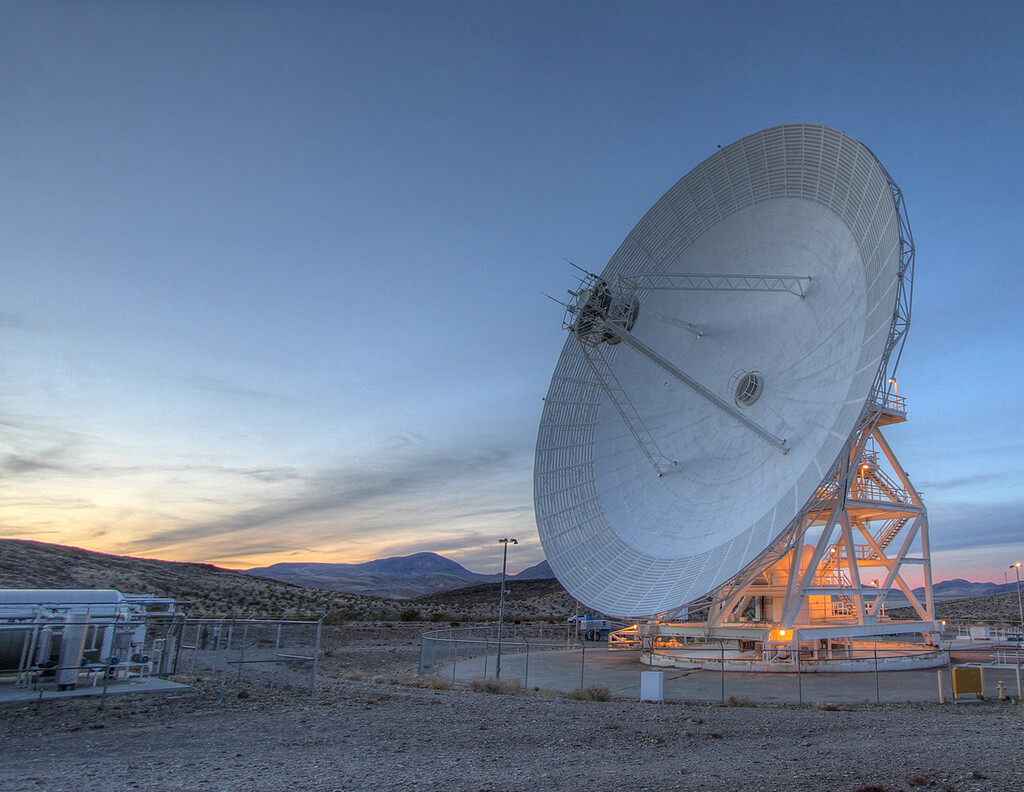
The use of a telemedicine platform is particularly noteworthy. In deep space, medical emergencies can't be handled with a quick return to Earth. Telemedicine allows astronauts to consult with doctors on the ground, and the same infrastructure supports personal calls. This dual-purpose approach maximizes resources and ensures that crews have the tools they need for both health and morale.
The Human Side: Commander Wiseman's Message
Beyond the technical achievement, the mission has provided touching moments. Commander Reid Wiseman posted on X during the flight: "Distance makes the heart grow fonder… it didn't take 219,669 miles to remind me how much…" The message, sent from deep space, underscores the emotional impact of being far from home and the value of these connections.
Such moments remind us that space exploration is not just about science and technology—it's about people. The ability to see and speak with loved ones can make all the difference in a high-stress environment.
What This Means for Future Space Missions
The success of video calls on Artemis II has implications for future missions. As NASA and other space agencies plan for journeys to Mars, reliable communication will be essential. While the distance to Mars will introduce delays of up to 20 minutes, video messages and real-time calls when possible will help maintain crew cohesion and public engagement.
Moreover, the technology tested here could be used for educational outreach, allowing astronauts to connect directly with students and the public, inspiring the next generation of explorers. The background to this story is set out in Artemis II Splashdown: Orion Returns Astronauts to Lunar History. A related thread runs through Artemis II Crew Earns Top US Space Medal for Lunar Mission. Earlier coverage in Artemis II Crew Earns Top US Space Medal for Historic Lunar Journey shows how the argument developed.
Challenges and Limitations
Despite the success, deep space communication still faces hurdles. Bandwidth is limited, and signals can be disrupted by solar activity. The further we go, the more pronounced these issues become. For Mars missions, NASA is developing a new Deep Space Network and laser communication systems to handle higher data rates. A closer look at the same subject appears in NASA's Artemis III Plan: Two Dockings, Four Astronauts, and a Lunar Lander. Anyone following the wider picture can start with NASA Launches Artemis II First Crewed Moon Flyby in Over 50 Years. The same theme surfaces in NASA's Artemis III Crew All-Male: A Blow to Diversity, which takes a different angle.
Additionally, privacy and security are concerns. Telemedicine platforms must be secure to protect astronaut health data. VSee's encryption and compliance with health privacy standards make it a suitable choice. Context on how this played out before sits in Artemis II Success but NASA's Ambitious Lunar Plan Faces Delays. A companion piece, iPhone 17 Pro Max Captures Iconic Artemis II Space Video, approaches the same subject from another angle.
Key Takeaways
- Artemis II astronauts successfully made video calls from over 300,000 km away using VSee.
- The technology supports both telemedicine and personal communication, crucial for astronaut well-being.
- Commander Wiseman's social media post highlighted the emotional importance of staying connected.
- Future Mars missions will rely on similar systems, though signal delays will require adjustments.
- NASA continues to improve deep space communication with laser technology and network upgrades.
Comparing Communication Technologies
| Technology | Distance Range | Data Rate | Use Case |
|---|---|---|---|
| VSee (Artemis II) | Up to 300,000 km | Sufficient for video | Telemedicine, personal calls |
| Deep Space Network (current) | Millions of km | Low to moderate | Telemetry, commands |
| Laser Communications (future) | Interplanetary | High | High-definition video, large data |
FAQ
How did the Artemis II astronauts make video calls from deep space?
They used a platform called VSee, adapted for space communication. The signal was relayed through NASA's communication network to Earth, allowing real-time video despite the vast distance.
Why is telemedicine important for deep space missions?
Telemedicine enables astronauts to consult with doctors on Earth during medical emergencies. It also supports regular health monitoring and can be used for personal calls, boosting morale.
What was the distance of the video call?
The call took place from over 300,000 kilometers away, which is roughly the distance to the Moon. This is the farthest video call ever made from space.
Will astronauts on Mars be able to make video calls?
Yes, but with significant delays due to the distance. Real-time calls won't be possible, but video messages and asynchronous communication will be used. NASA is developing advanced communication technologies to handle the data.
Browse the Shop
 Acacia frida deluxe solid wood bed frame |
Bedroom bench |
Bed chest drawers |
Lingerie dresser |
Frame base |
Mirror with jewelry storage |
30 Bathroom Vanity |
Memory foam queen mattress |
Mattresses for back pain |
Nightstand set of 2 |
Grand Goldman Shop |
Civil Lawyer
Deutschland Trikot WM 2026







