

NASA's Curiosity rover has found organic molecules on Mars that are compatible with life, but scientists are urging caution about what this really means. The discovery, made possible by a novel chemical experiment, has excited researchers but also raised questions about the origin of these molecules.
What Did Curiosity Discover on Mars?
The SAM instrument on Curiosity conducted a experiment called thermochemolysis, which uses a reagent called tetramethylammonium hydroxide (TMAH) to break down large molecules into smaller fragments. This technique allows detection of organic molecules that are invisible to other methods.
Find Original Home Decor sparking conversation at Grand Goldman Shop.

Among the organic molecules found are nitrogen-rich compounds that could be related to DNA synthesis, and benzothiophene, which is present in some biological processes. These findings are significant because they show that Mars has complex organic chemistry.
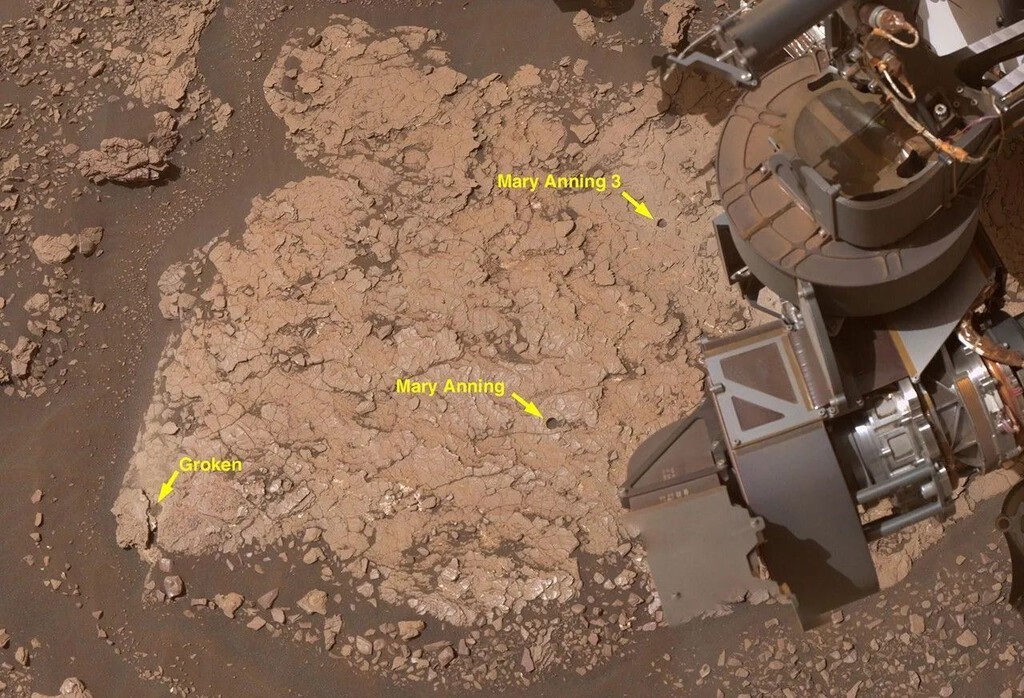
Why Are These Molecules Important?
Organic molecules are the building blocks of life as we know it. Finding them on Mars suggests that the planet could have supported life in the past, or may even host life today. However, the presence of organic molecules alone does not prove that life exists.
These molecules can be produced by both biological and non-biological processes. Therefore, scientists must carefully analyze the context and look for additional evidence before concluding that life is present.
What Do the Scientists Say?
The authors of the study, published in a scientific journal, emphasize the need for caution. They point out that all the molecules found could have non-biological origins. For example, they could be delivered by meteorites or formed by chemical reactions in the Martian environment.
This is not the first time organic molecules have been found on Mars. Previous missions, including Curiosity itself, have detected organic matter. However, this new experiment provides a more detailed look at the types of molecules present. The background to this story is set out in NASA's Curiosity Rover Celebrates 5,000 Sols on Mars with Stunning Panorama. A related thread runs through Perseverance Sets Record for Longest Distance Driven on Mars. Earlier coverage in Human Hibernation for Mars: Is It Possible? shows how the argument developed.
What Are the Implications for the Search for Life?
The discovery adds to the growing evidence that Mars was once habitable. It also highlights the importance of continued exploration and the need for more sophisticated instruments to detect signs of life. A closer look at the same subject appears in Perseverance Finds Mars Dust Threatens Astronaut Suits. Anyone following the wider picture can start with Mars Missions May Break Astronauts' Hearts, Study Finds. The same theme surfaces in NASA's Psyche Spacecraft Makes Close Mars Flyby Today, which takes a different angle.
Future missions, such as the European Space Agency's ExoMars rover, will drill deeper and analyze samples with greater precision. These missions may help determine whether the organic molecules are of biological origin. Context on how this played out before sits in Space Gas Stations: NASA's LOXSAT Mission for Mars Refueling. A companion piece, Mars Magma Discovery Suggests Hidden Habitable Potential, approaches the same subject from another angle.
Key Takeaways
- Curiosity detected organic molecules on Mars using a new technique called thermochemolysis.
- Some molecules are nitrogen-rich and could be related to DNA, but non-biological origins are possible.
- Scientists urge caution and emphasize that the presence of organic molecules does not prove life exists.
- The findings add to evidence that Mars was once habitable and highlight the need for further exploration.
Comparison of Mars Missions and Their Organic Molecule Detections
| Mission | Instrument | Key Organic Findings | Year |
|---|---|---|---|
| Curiosity | SAM | Nitrogen-rich molecules, benzothiophene | 2023 |
| Curiosity | SAM | Chlorinated hydrocarbons | 2018 |
| ExoMars (planned) | MOMA | To be determined | 2023 |
FAQ
What did NASA's Curiosity rover find on Mars?
Curiosity found organic molecules, including nitrogen-rich compounds and benzothiophene, using a new chemical experiment called thermochemolysis.
Does this mean there is life on Mars?
Not necessarily. The molecules could have non-biological origins, and scientists caution that more evidence is needed to confirm life.
Why is this discovery important?
It shows that Mars has complex organic chemistry and adds to evidence that the planet was once habitable.
What are the next steps in the search for life on Mars?
Future missions like ExoMars will drill deeper and analyze samples with greater precision to determine the origin of these molecules.
Browse the Shop
 Acacia frida deluxe solid wood bed frame |
Bedroom bench |
Bed chest drawers |
Lingerie dresser |
Frame base |
Mirror with jewelry storage |
30 Bathroom Vanity |
Memory foam queen mattress |
Mattresses for back pain |
Nightstand set of 2 |
Grand Goldman Shop |
Civil Lawyer
Deutschland Trikot WM 2026







