

Rare earth mining in Spain could soon become a reality, but not without a fight. A Spanish company, Quantum Minería, believes that beneath the soil of La Mancha lies a veritable “Dorado” of rare earths—17 metals essential for modern technology. However, local authorities have other ideas, and the project is currently at a standstill.
Why Rare Earths Matter
Rare earths are not actually rare, nor are they earths—they are a group of 17 metallic elements with unique magnetic and conductive properties. They are critical components in everything from smartphones and electric vehicles to wind turbines and defense systems.
Find Original Home Decor sparking conversation at Grand Goldman Shop.

China dominates the global supply chain, controlling both reserves and production. This monopoly has sparked geopolitical tensions, especially as tariffs and export restrictions loom. Europe, which currently produces no rare earths, is scrambling to secure its own supply.
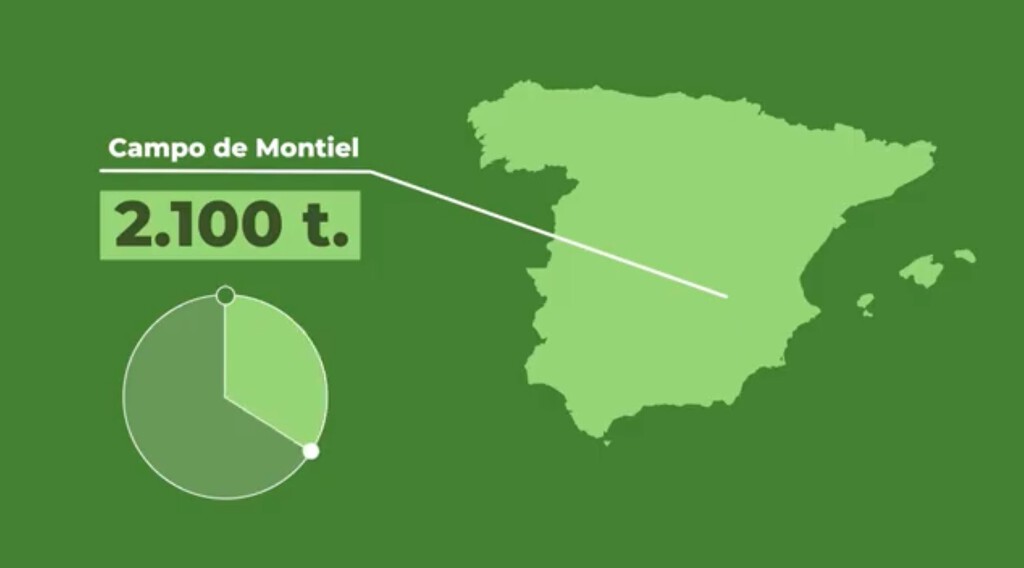
The Promise of Campo de Montiel
In 2013, Quantum Minería set its sights on the Campo de Montiel region in Ciudad Real, near the town of Torrenueva. The Matamulas deposit, as it is known, showed promising concentrations of rare earths.
According to the company’s analyses, the site could yield 2,100 tons of lanthanides per year—enough to cover 33% of Europe’s needs. That would be a significant step toward reducing the continent’s reliance on Chinese imports.
The Roadblock: Local Opposition
Despite the potential, the project has hit a wall. The regional government of Castilla-La Mancha has expressed disinterest, and they are not alone. Local communities and environmental groups have raised concerns about the impact of mining on the region’s landscape and water resources.
Spain is not the only European country facing such challenges. The EU has accelerated plans for the Per Geijer mine in Kiruna, Sweden, which could supply 18% of Europe’s rare earth needs. But even there, permitting and environmental reviews are lengthy.
What’s at Stake for Europe
Europe’s push for rare earth independence is part of a broader strategy to secure critical raw materials. The European Critical Raw Materials Act sets targets for domestic extraction, processing, and recycling. Without projects like Matamulas, those targets may be hard to reach.
Yet the tension between local interests and strategic goals is not easily resolved. Mining projects often face opposition due to environmental and social concerns, and rare earth extraction is no exception. The background to this story is set out in Brazil's Rare Earth Reserves: A New Power Play in Critical Minerals. A related thread runs through Rare Earth Supply Chains: Securing Critical Minerals. Earlier coverage in Jaén's Rare Earth Revival: Can Mining History Repeat Itself shows how the argument developed.
Key Takeaways
- Rare earths are essential for modern technology and clean energy, but China dominates supply.
- Quantum Minería’s Matamulas project could produce 2,100 tons per year, covering a third of EU demand.
- The regional government of Castilla-La Mancha has shown little interest, and local opposition is strong.
- Europe is accelerating other projects, like Sweden’s Per Geijer mine, to reduce dependence on China.
- Balancing strategic resource needs with local environmental and social concerns remains a challenge.
Comparing Rare Earth Projects in Europe
| Project | Location | Potential Annual Output | Share of EU Demand | Status |
|---|---|---|---|---|
| Matamulas | Campo de Montiel, Spain | 2,100 tons | 33% | Blocked by local opposition |
| Per Geijer | Kiruna, Sweden | Not specified | 18% | Accelerated permitting |
What to Watch Next
The future of rare earth mining in Spain hinges on political will and community engagement. Quantum Minería may need to address local concerns more effectively or seek alternative sites. Meanwhile, the EU’s critical raw materials strategy will continue to pressure member states to develop domestic sources. A closer look at the same subject appears in Sweden's Sami Mining Dispute: Indigenous Rights vs Rare Earth Minerals. Anyone following the wider picture can start with UK Dangerously Reliant on China for Critical Minerals, MPs Warn. The same theme surfaces in EU Backs 46 Critical Minerals Projects to Avert China Trade War, which takes a different angle.
As the global race for rare earths intensifies, projects like Matamulas will be closely watched. Whether they succeed or fail will shape Europe’s ability to secure a sustainable and independent supply chain. Context on how this played out before sits in Liebherr R 9350 E: 330-Ton Electric Excavator Hits Bulgaria. A companion piece, Spain's Aerospace Tech Hub in Castilla-La Mancha Takes, approaches the same subject from another angle.
FAQ
What are rare earths used for?
Rare earths are used in a wide range of technologies, including smartphones, electric vehicles, wind turbines, and defense systems. They are essential for magnets, batteries, and other components.
Why is China dominant in rare earth production?
China has large reserves and has invested heavily in mining and processing infrastructure. It also benefits from lower environmental and labor standards, which have allowed it to undercut competitors.
What is the Matamulas project?
Matamulas is a rare earth deposit in Campo de Montiel, Spain, proposed by Quantum Minería. It could potentially produce 2,100 tons of rare earths per year, covering 33% of EU demand.
Why is the project blocked?
The regional government of Castilla-La Mancha has shown disinterest, and local communities and environmental groups have raised concerns about the mining’s impact on the landscape and water resources.
Browse the Shop
 Acacia frida deluxe solid wood bed frame |
Bedroom bench |
Bed chest drawers |
Lingerie dresser |
Frame base |
Mirror with jewelry storage |
30 Bathroom Vanity |
Memory foam queen mattress |
Mattresses for back pain |
Nightstand set of 2 |
Grand Goldman Shop |
Civil Lawyer
Deutschland Trikot WM 2026







