

Solar storms are sudden releases of energy, plasma, and magnetic fields from the Sun that can disrupt technology on Earth. They have occurred for billions of years, but modern society’s dependence on satellites, power grids, and communication systems makes us uniquely vulnerable to them.
What Are Solar Storms and How Do They Form?
At 150 million kilometers away, the Sun seethes with magnetic activity so powerful that it occasionally spirals out of control. A solar storm is an explosion of energy, particles, and magnetic fields hurled into the solar system. These events are driven by the Sun’s tangled magnetic field, which can snap and reconnect, releasing immense energy.
Find Original Home Decor sparking conversation at Grand Goldman Shop.

The two main components are solar flares—bursts of electromagnetic radiation that reach Earth in minutes—and coronal mass ejections (CMEs)—clouds of plasma that take hours to days to arrive. When a CME is directed at Earth, it can trigger a geomagnetic storm, disturbing our planet’s magnetic field.

Why Is Modern Society So Vulnerable?
Our ancestors may have seen auroras but faced little disruption. Today, a severe geomagnetic storm can induce currents in power lines, damaging transformers and causing blackouts. Satellites in orbit are exposed to increased radiation and drag, potentially disrupting GPS, communication, and weather monitoring.
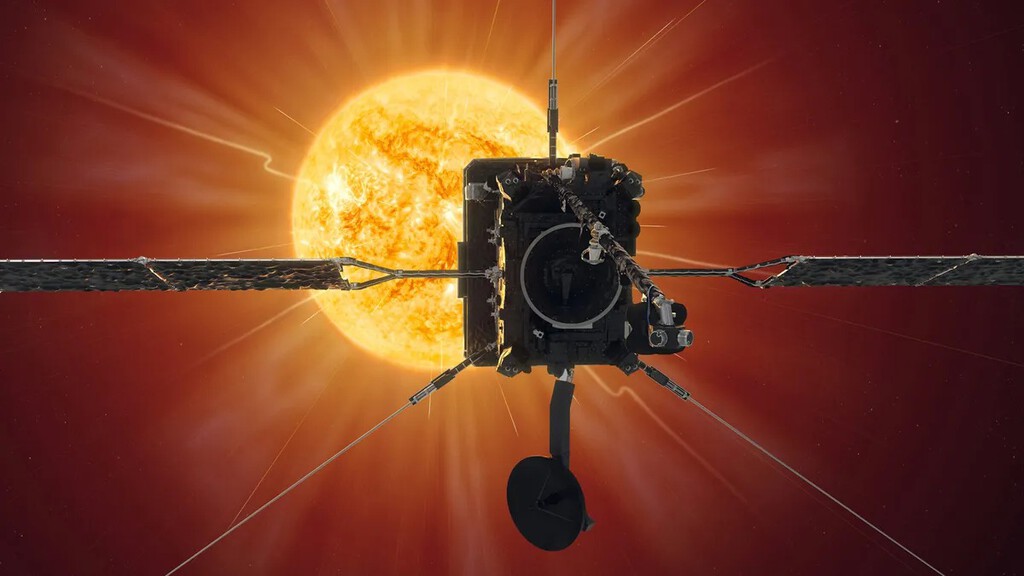
Aviation crews on polar routes face higher radiation doses, and astronauts on the International Space Station must seek shelter. Even pipeline corrosion can accelerate during storms. The European Space Agency warns that “understanding space weather is not optional”—a stark reminder that our technological civilization is the most exposed in history.
The May 2024 Solar Storms: A Wake-Up Call
In May 2024, a series of powerful solar storms produced auroras visible across much of the world, from Europe to North America. While the displays were spectacular, they also highlighted our vulnerability. Some satellite operators reported degraded signals, and power grid operators took preventive measures.
Such events are a preview of what could happen during a Carrington-level storm—a once-in-a-century event that could cause widespread blackouts and communication failures. The 1859 Carrington Event caused telegraph disruptions; today, the stakes are far higher. The background to this story is set out in GPS Disruption From Solar Storm Exposes Fragility of Navigation. A related thread runs through Off-Grid Solar Power for Pistachio Processing Plant. Earlier coverage in Russia's Energy Grid Attack on Ukraine Kills Seven shows how the argument developed.
How Do We Predict Solar Storms?
Forecasting space weather is a complex endeavor. A network of satellites, including ESA’s Proba-2 and NASA’s SOHO, constantly monitors the Sun. Ground-based observatories and magnetometers track magnetic activity. Artificial intelligence models are increasingly used to predict when a CME will hit and how strong it will be. A closer look at the same subject appears in Cuba Power Grid Collapse: Energy Crisis Deepens. Anyone following the wider picture can start with Spain's Grid Crisis: Seven Demand Response Alerts in 10 Weeks. The same theme surfaces in Cuba Energy Crisis: Power Grid Collapse and US Sanctions Impact, which takes a different angle.
However, predicting the exact timing and intensity remains challenging. The Sun’s behavior is chaotic, and we still lack a complete understanding of the mechanisms behind solar eruptions. Continuous vigilance and international collaboration are essential. Context on how this played out before sits in Zelenskyy Vows Retaliation Over Russian Power Grid Strikes. A companion piece, UK Eyes Incentives for EV Vehicle-to-Grid Power Plants, approaches the same subject from another angle.
Key Takeaways
- Solar storms are natural phenomena that have occurred for millions of years, but modern technology amplifies their impact.
- Two main components: solar flares (radiation) and coronal mass ejections (plasma clouds).
- Geomagnetic storms can disrupt power grids, satellites, GPS, and aviation.
- May 2024 storms produced stunning auroras but also served as a warning.
- Prediction relies on satellites, AI models, and constant monitoring.
- Understanding space weather is crucial for protecting our infrastructure.
Comparing Solar Storm Components
| Component | What It Is | Travel Time to Earth | Primary Effects |
|---|---|---|---|
| Solar Flare | Burst of electromagnetic radiation | 8 minutes | Radio blackouts, GPS degradation |
| Coronal Mass Ejection (CME) | Cloud of plasma and magnetic fields | 15–72 hours | Geomagnetic storms, auroras, grid disruptions |
| Solar Energetic Particles | High-energy particles | Minutes to hours | Satellite damage, radiation risk to astronauts |
FAQ
What exactly is a solar storm?
A solar storm is a sudden release of energy and plasma from the Sun, often associated with solar flares and coronal mass ejections. These events can disturb Earth’s magnetic field and affect technology.
Why are solar storms more dangerous now than in the past?
Our modern society relies heavily on electricity, satellites, and communication networks. A severe solar storm can disrupt these systems, leading to blackouts and communication failures, unlike in pre-industrial times.
Can we predict solar storms accurately?
Scientists use satellites and AI models to forecast space weather, but predictions are still uncertain. We can often give hours of warning for CMEs, but the exact intensity remains hard to pinpoint.
What was the May 2024 solar storm event?
In May 2024, a series of strong solar storms created vivid auroras worldwide. While they caused minor disruptions, they highlighted the need for better preparedness for future events.
Browse the Shop
 Acacia frida deluxe solid wood bed frame |
Bedroom bench |
Bed chest drawers |
Lingerie dresser |
Frame base |
Mirror with jewelry storage |
30 Bathroom Vanity |
Memory foam queen mattress |
Mattresses for back pain |
Nightstand set of 2 |
Grand Goldman Shop |
Civil Lawyer
Deutschland Trikot WM 2026







