

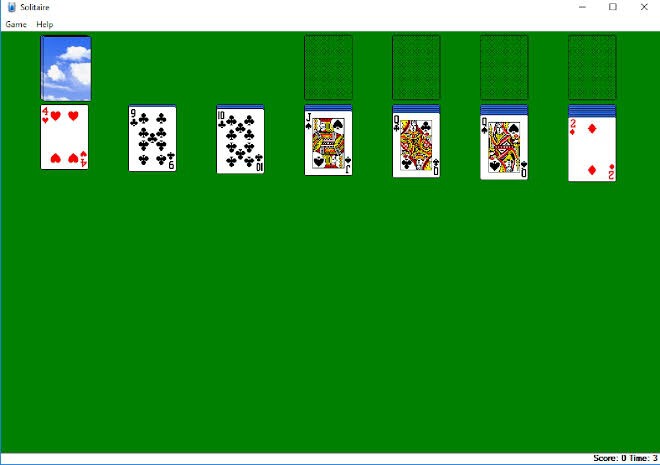
Solitaire, the simple card game bundled with Microsoft Windows, became the most-used application in the world and a cultural icon of office procrastination. Introduced in Windows 3.0 in 1990, it was more than just a game—it was a strategic tool to teach users how to use a mouse. Its story reveals how a humble distraction shaped computing habits for decades.
The Origins of Solitaire in Windows
In 1990, Microsoft released Windows 3.0, a graphical interface that would become a global success. But many users were new to mice and graphical user interfaces. To help them learn, Microsoft included Solitaire—specifically the Klondike variant—as a built-in game.
Find Original, High-end Home Decor that spark conversation at Grand Goldman Shop.

The game required players to drag and drop cards, inadvertently teaching them essential mouse skills like clicking and dragging. It was a clever way to make learning fun, and it worked. Solitaire quickly became a staple of the Windows experience.

Why Solitaire Became a Productivity Phenomenon
Solitaire's simplicity and accessibility made it an instant hit. Office workers could play a quick game during breaks, but many found themselves hooked, leading to a new form of procrastination. The game was so popular that Microsoft reportedly considered it the most-used application in the world.

Unlike modern social media, Solitaire didn't require an internet connection or a powerful computer. It was right there, a click away, offering a brief escape from work. This ease of access contributed to its legendary status as a time-waster.
The Evolution of Solitaire Through Windows Versions
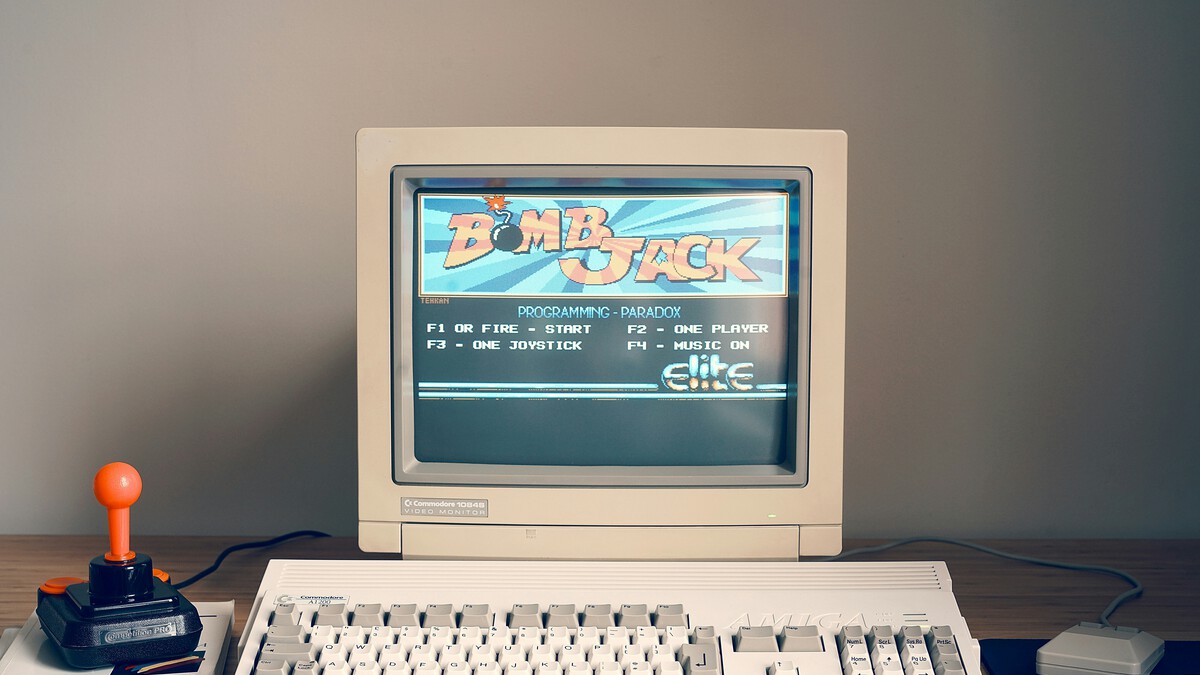
As Windows evolved, so did Solitaire. Each new version brought updated graphics and additional game modes, such as Spider Solitaire and FreeCell. These variations kept the game fresh and continued to attract new players.
With the rise of the internet, Solitaire also moved online, becoming a popular web game. But the classic Windows version remains nostalgic for many, evoking memories of simpler times. Anyone following the wider picture can start with Solitaire: The Microsoft Windows Game That Defined Office Procrastination. The same theme surfaces in IBM Kookaburra Quantum Processor: Paving the Way to Starling, which takes a different angle.
Solitaire's Impact on Work Culture and Technology
Solitaire became a symbol of office procrastination, often referenced in pop culture and jokes about office life. It also highlighted the importance of user-friendly design in software—if a game could teach mouse skills, imagine what other tasks could be gamified. The background to this story is set out in Science: latest articles. A related thread runs through NASA Tang Myth: The Most Profitable Space Misunderstanding.
Moreover, Solitaire's success demonstrated the power of bundling software with an operating system. It set a precedent for including entertainment and utilities to enhance user experience. Earlier coverage in Over 6,000 Exoplanets Found, But None Like Earth: PLATO Telescope shows how the argument developed. A closer look at the same subject appears in White Dwarfs Aren't Always White: New Study Reveals Colorful Stars.
Key Takeaways from Solitaire's History
- Solitaire was introduced in Windows 3.0 (1990) to help users learn to use a mouse.
- It became the most-used Microsoft application, according to the company.
- The game's simplicity and accessibility made it a notorious procrastination tool.
- Variants like Spider Solitaire and FreeCell expanded its appeal over the years.
- Solitaire's legacy illustrates the intersection of gaming, productivity, and software design.
Comparing Solitaire Versions Across Windows Releases
| Windows Version | Release Year | Solitaire Features |
|---|---|---|
| Windows 3.0 | 1990 | Klondike Solitaire, basic graphics |
| Windows 95 | 1995 | Improved graphics, more animations |
| Windows XP | 2001 | Added Spider Solitaire, new themes |
| Windows 10 | 2015 | Microsoft Solitaire Collection, ads, online features |
FAQ
When was Solitaire first included in Windows?
Solitaire was first included in Windows 3.0, released in 1990. It was designed to help users learn to use a mouse.
Why did Microsoft include Solitaire in Windows?
Microsoft included Solitaire to teach users how to drag and drop with a mouse, making the transition to graphical user interfaces easier.
Is Solitaire really the most-used Microsoft application?
Yes, Microsoft itself has stated that Solitaire is the most-used application in the world, largely due to its inclusion in Windows and its addictive nature.
What is the difference between Solitaire and Klondike?
Solitaire is a broad term for card games played alone. Klondike is a specific variant of Solitaire, which is the version Microsoft included in Windows.
Solitaire's journey from a mouse-training tool to a cultural phenomenon is a testament to the unexpected ways technology can shape our lives. It reminds us that even the simplest applications can have a profound impact on how we work and play.
Browse the Shop
 Acacia frida deluxe solid wood bed frame |
Bedroom bench |
Bed chest drawers |
Lingerie dresser |
Frame base |
Mirror with jewelry storage |
30 Bathroom Vanity |
Memory foam queen mattress |
Mattresses for back pain |
Nightstand set of 2 |
Grand Goldman Shop |
Civil Lawyer
Deutschland Trikot WM 2026
Acacia frida deluxe solid wood bed frame |
Bedroom bench |
Bed chest drawers |
Lingerie dresser |
Frame base |
Mirror with jewelry storage |
30 Bathroom Vanity |
Memory foam queen mattress |
Mattresses for back pain |
Nightstand set of 2 |
Grand Goldman Shop |
Civil Lawyer
Deutschland Trikot WM 2026










