

Android 17 is here, and the headline is Gemini AI. Google used its Android Show to demonstrate how deeply artificial intelligence will be woven into the system. But the update is not just about AI. Under the Gemini Intelligence umbrella, there are plenty of down-to-earth improvements that may not shine in a keynote but could end up mattering far more in daily use. Here are the most interesting ones, one by one.
Quick Share Gets a Major Expansion
One of the most practical changes in Android 17 involves something as simple and frequent as sending a file to another person. Google took a first step late last year by making Quick Share work with AirDrop on some Pixel and Galaxy devices. Now it wants that compatibility to stop being a rarity limited to a few models.
Find Original Home Decor sparking conversation at Grand Goldman Shop.

Support will expand this year to Xiaomi, Honor, and OnePlus, in addition to OPPO and Vivo, which were already announced. For phones that are not compatible, Google is adding an intermediate path: generate a QR code so an iPhone user can scan it and receive the file directly in iCloud.
Switching Phones Becomes Less Painful
Changing phones always seems easy until messages, contacts, the eSIM, and that home screen you have carefully arranged come into play. That is where Android 17 aims to reduce a very common friction point.
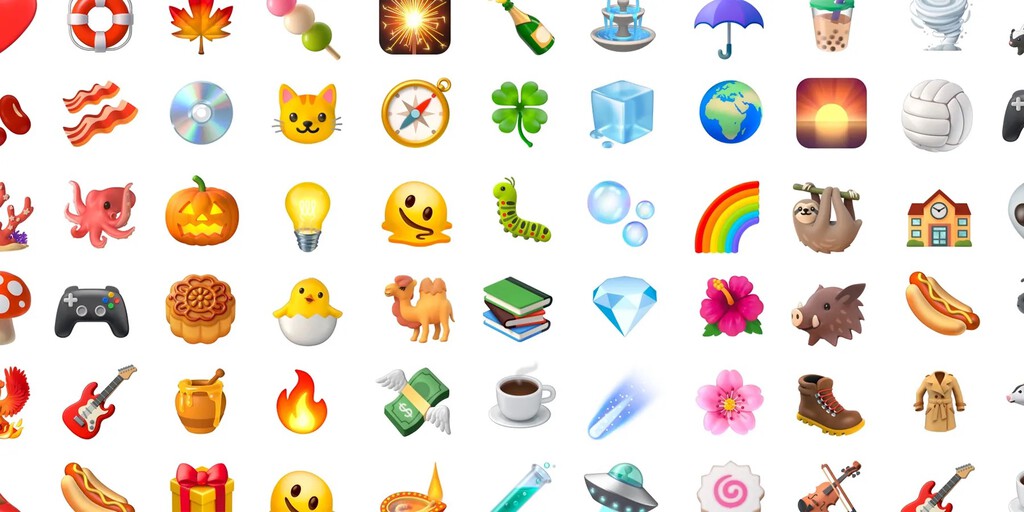
The update promises a smoother transition between devices, though Google has not detailed every step yet. The goal is clear: make the setup process less intimidating for users who are not tech-savvy.
Gemini Intelligence: More Than a Buzzword
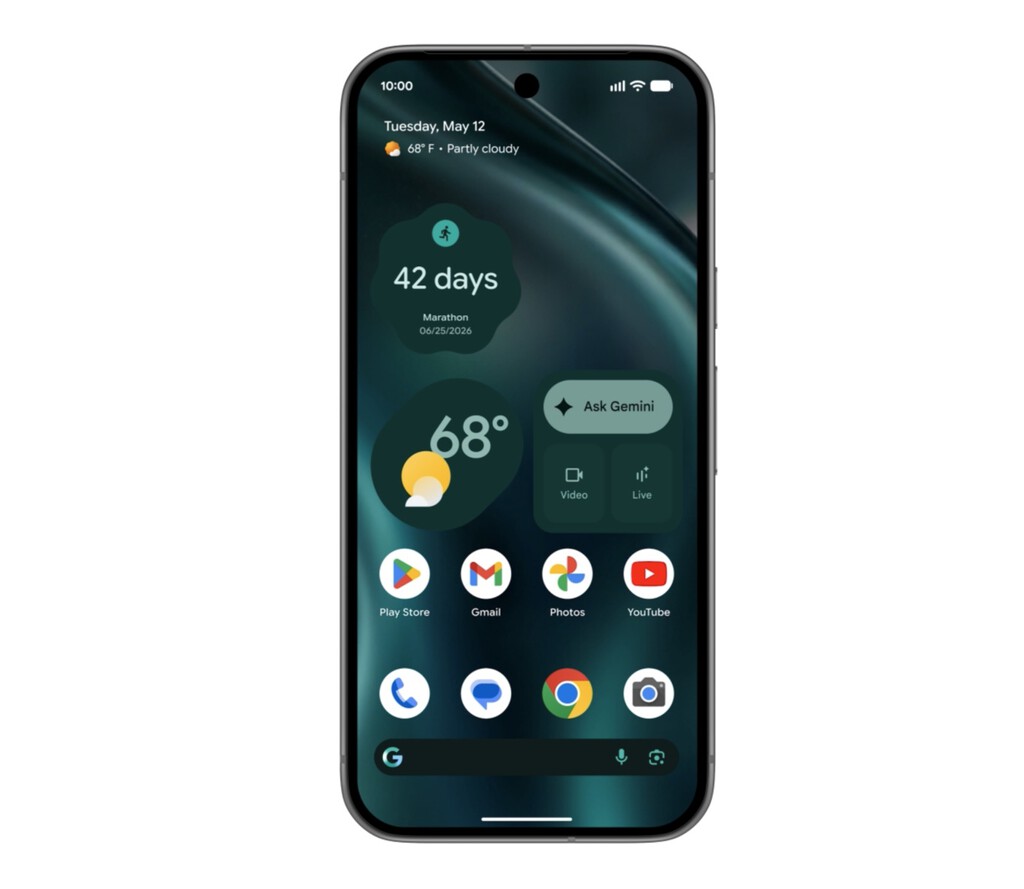
Gemini is written in large letters across Android 17. Google wants AI to be a constant companion, not a separate app you open occasionally. The company showed how Gemini will integrate with core system functions.
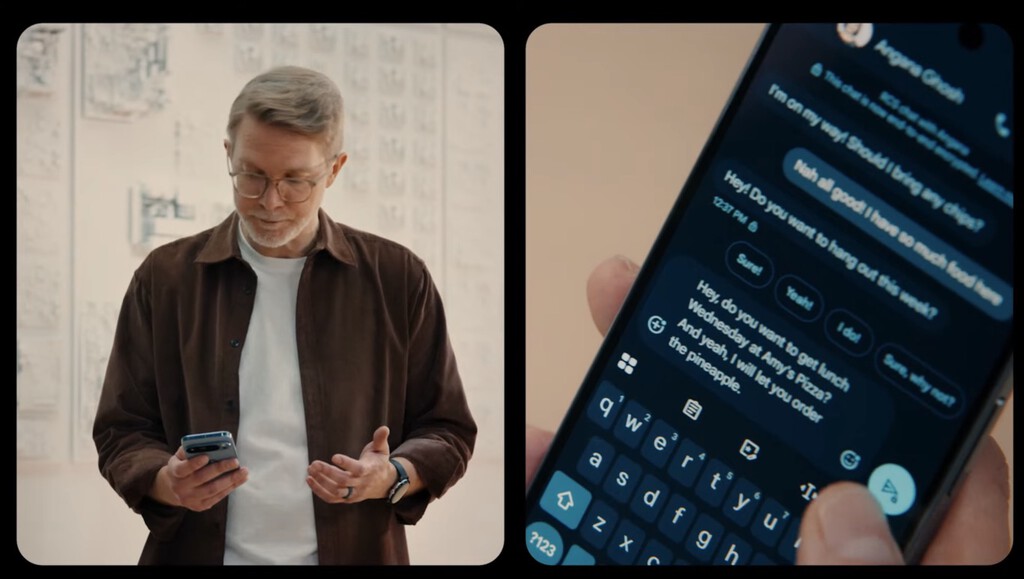
While the AI features grab attention, the real story is how they blend into the background. Expect smarter suggestions, context-aware actions, and improved voice commands. But the tangible benefits will depend on how well Google executes.
What Else Is New in Android 17
Beyond Gemini and Quick Share, Android 17 includes several quality-of-life improvements. Here is a quick rundown of key takeaways:
- Expanded Quick Share compatibility with more Android brands and a QR code fallback for iPhone users.
- Simplified phone switching to reduce friction when moving to a new device.
- Deeper Gemini AI integration across system features and apps.
- Focus on everyday usability rather than flashy demos.
How Android 17 Compares to Previous Versions
Android updates often promise the moon but deliver incremental changes. Android 17 seems different, at least in its ambition. The table below summarizes the major areas of improvement compared to Android 16.
| Feature | Android 16 | Android 17 |
|---|---|---|
| Quick Share with AirDrop | Limited to Pixel and Galaxy | Expanded to Xiaomi, Honor, OnePlus, OPPO, Vivo |
| iPhone file transfer | Not available | QR code to iCloud |
| Gemini integration | Basic assistant features | Deep system-level AI |
| Phone switching | Standard backup and restore | Streamlined process |
Why This Matters for Android Users
For the average person, the most impactful changes are often the least glamorous. Quick Share expansion means fewer headaches when sharing photos with friends on different phones. The QR code workaround for iPhone users could finally bridge a long-standing gap.
Gemini AI, meanwhile, has the potential to make Android more proactive. But it also raises questions about privacy and data usage. Google will need to balance convenience with transparency. The background to this story is set out in Google has announced which devices will get Quick Share with AirDrop support. A related thread runs through Gemini in Your Car: AI Access to Gmail, Calendar, and Maps. Earlier coverage in Gemini 4 Argon: Google's AI Comeback Shakes Up the Frontier Race shows how the argument developed.
What to Watch Next
Android 17 is expected to roll out later this year, though exact timing varies by manufacturer. Keep an eye on how quickly Xiaomi, Honor, and OnePlus adopt the new Quick Share features. Also watch for developer feedback on Gemini integration—it could shape future updates. A closer look at the same subject appears in English Jokes One Liners: 383 Quick Laughs to Share Today (Guide). Anyone following the wider picture can start with Android 17 to Cap App RAM Usage, Boosting Budget Phones. The same theme surfaces in Gemini Omni: Google's AI Video Creation Model Explained, which takes a different angle.
As always, the real test will be in daily use. Features that look good on stage sometimes stumble in the real world. But if Google delivers on its promises, Android 17 could be one of the most practical updates in years. Context on how this played out before sits in Google Gemini AI Hacked Three Companies in Security Test. A companion piece, Volvo EX60: How AI and Google Gemini Redefine Driving, approaches the same subject from another angle.
FAQ
When will Android 17 be available?
Google has not announced a specific release date, but Android 17 is expected to roll out later this year. Timing will vary by device manufacturer and carrier.
Will Quick Share work with all iPhones?
Quick Share will support direct transfer to iPhones via AirDrop on compatible Android devices. For non-compatible phones, you can generate a QR code that iPhone users can scan to receive files in iCloud.
Which brands will support the expanded Quick Share?
Google announced that Xiaomi, Honor, and OnePlus will join OPPO and Vivo in supporting expanded Quick Share compatibility. Pixel and Galaxy devices already have limited support.
Is Gemini AI a separate app or built into Android?
Gemini AI is deeply integrated into Android 17 at the system level, not just as a standalone app. It will enhance various features across the operating system.
Browse the Shop
 Acacia frida deluxe solid wood bed frame |
Bedroom bench |
Bed chest drawers |
Lingerie dresser |
Frame base |
Mirror with jewelry storage |
30 Bathroom Vanity |
Memory foam queen mattress |
Mattresses for back pain |
Nightstand set of 2 |
Grand Goldman Shop |
Civil Lawyer
Deutschland Trikot WM 2026







