

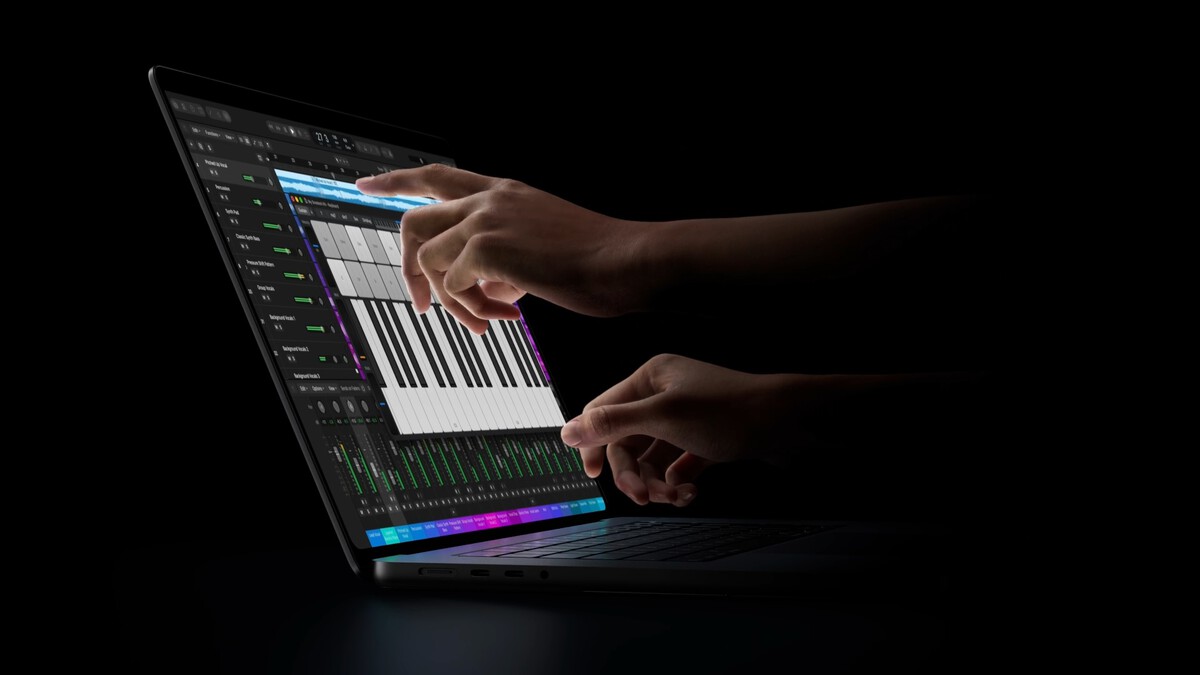
Apple has officially announced its first touchscreen MacBook Pro, ending years of speculation and marking a major shift in the company's approach to laptop interaction. The new 14- and 16-inch models feature a main display that supports touch input for the first time in Mac history, alongside a redesigned chassis and the return of the iconic illuminated logo.
This move signals a departure from Apple's long-held distinction between the iPad (touch-first) and the Mac (keyboard-and-trackpad). By integrating touch into macOS, Apple is acknowledging that users want more flexible ways to interact with their devices.
Find Original Home Decor sparking conversation at Grand Goldman Shop.

Touchscreen MacBook Pro Finally Arrives
The wait is over: Apple's new MacBook Pro models incorporate a touch-sensitive main display, a first for the Mac lineup. The company had previously resisted adding touch to its laptops, arguing that the iPad was the ideal touch device. However, with the new PROLED XDR panels and macOS 27, Apple is expanding interaction possibilities for professional users.

These laptops also bring the Dynamic Island to the Mac for the first time, a feature previously seen on iPhone. The design is thinner and lighter, and the overall package aims to blend the best of both worlds: the precision of a keyboard and trackpad with the immediacy of touch.
OLED Display and PROLED XDR Technology
The new MacBook Pro introduces OLED technology to the lineup, replacing the mini-LED LCD panels used in previous generations. The displays use a tandem OLED architecture, where pixels emit their own light and can turn off individually, delivering true blacks and high contrast.
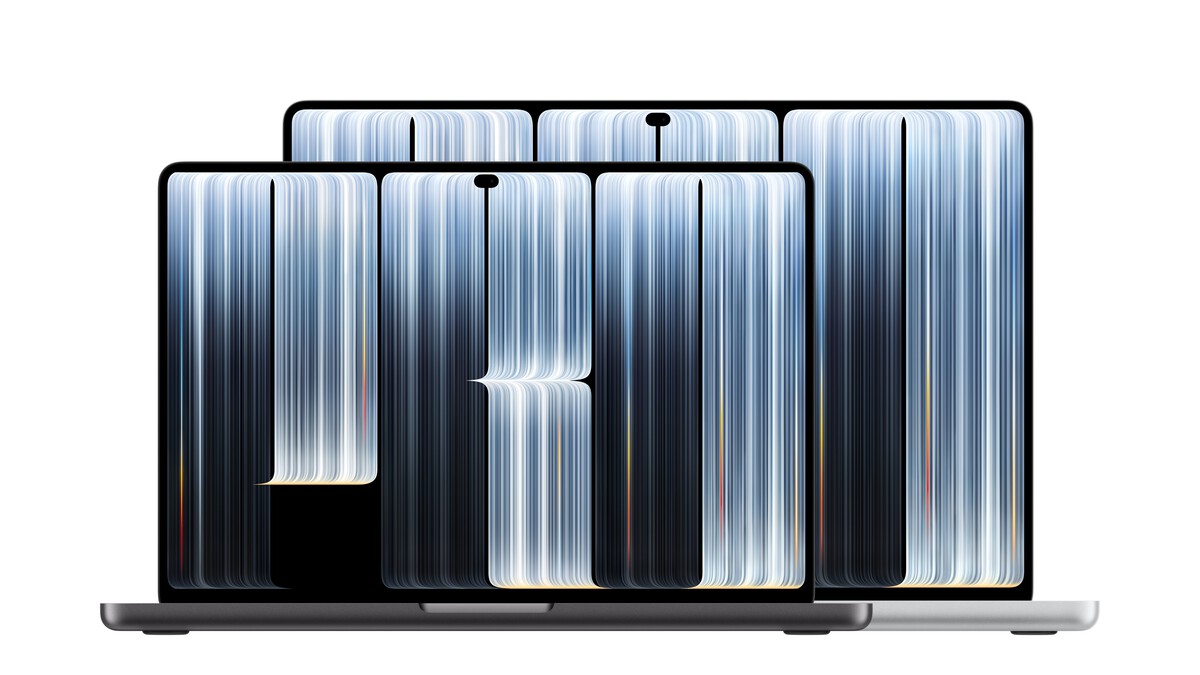
Apple claims up to 2,000 nits of peak brightness in both HDR and SDR content, a contrast ratio of 10,000,000:1, and wide color support. This should appeal to creative professionals who need accurate and vibrant visuals.

| Feature | New MacBook Pro (OLED) | Previous MacBook Pro (Mini-LED) |
|---|---|---|
| Display Technology | Tandem OLED | Mini-LED LCD |
| Peak Brightness | 2,000 nits (HDR & SDR) | Up to 1,600 nits (HDR) |
| Contrast Ratio | 10,000,000:1 | 1,000,000:1 |
| Touch Support | Yes | No |
| Dynamic Island | Yes | No |
macOS 27 Brings Touch to the Mac
The hardware is only half the story. macOS 27 includes new features designed to take advantage of the touchscreen, allowing users to interact directly with the interface using their fingers. This could include gestures, taps, and swipes optimized for professional workflows.
Apple has not yet detailed all the touch interactions, but the company emphasizes that touch will complement, not replace, the traditional keyboard and trackpad. This approach ensures that existing users can continue working as before while offering new ways to engage with apps.
Design and the Return of the Glowing Logo
The new MacBook Pro adopts a thinner and lighter design, making it more portable for professionals on the go. Additionally, Apple has revived the illuminated Apple logo on the lid, a nostalgic feature that many users have missed since it was phased out years ago.
This design choice adds a touch of personality and brand identity, signaling that Apple is listening to its community while pushing forward with modern aesthetics.
What This Means for Users and the Industry
For current Mac users, the touchscreen MacBook Pro represents a new level of versatility, especially for tasks like photo editing, design, and note-taking. It also puts Apple in direct competition with Windows laptops that have offered touch for years. The background to this story is set out in Apple's Next Launch: Touchscreen MacBook and OLED iPad Mini. A related thread runs through Apple's October 28 Event: New MacBook Pro With Touchscreen. Earlier coverage in Apple's 2026 Touchscreen MacBook: What to Expect From the Event shows how the argument developed.
For the industry, this move validates the idea that touch and traditional computing can coexist. It may influence other manufacturers to refine their own hybrid devices, and it sets a new benchmark for display quality with tandem OLED. A closer look at the same subject appears in Realme 16 Pro+: Officially announced with 200MP main camera and 7,000mAh battery. Anyone following the wider picture can start with iPad Mini 2026: OLED Display and A20 Pro Chip Redefine the Compact Tablet. The same theme surfaces in iPad Mini 8 OLED Display Upgrade: Is the Higher Price Worth, which takes a different angle.
- First touchscreen MacBook Pro with macOS 27 integration
- Tandem OLED display with 2,000 nits peak brightness
- Dynamic Island comes to the Mac
- Thinner, lighter design with illuminated logo
- Available in 14- and 16-inch sizes
As Apple rolls out these new models, we'll be watching how developers adapt their apps to touch and whether this signals a broader shift in macOS design. For now, the touchscreen MacBook Pro is a bold step that merges the best of Apple's mobile and desktop experiences. Context on how this played out before sits in Poco M8 5G and M8 Pro 5G: Officially announced with Snapdragon chips. A companion piece, Google Pixel Watch 4: Officially announced with big changes, approaches the same subject from another angle.
FAQ
When will the touchscreen MacBook Pro be available?Apple has not yet announced a specific release date, but given the official unveiling, availability is expected in the coming months. Keep an eye on Apple's website for updates.
Does the touchscreen support the Apple Pencil?Apple has not mentioned Apple Pencil support for the new MacBook Pro. The touchscreen is designed for finger input, and it's unclear if stylus support will be added.
Will macOS 27 be available for older Macs?Apple typically releases new macOS versions for a range of older Macs, but touch features will likely be exclusive to the new hardware. We'll update as more information becomes available.
What is the price of the new MacBook Pro?Pricing has not been announced yet. Given the advanced OLED display and touch technology, expect a premium price point similar to or higher than previous high-end models.
Browse the Shop
 Acacia frida deluxe solid wood bed frame |
Bedroom bench |
Bed chest drawers |
Lingerie dresser |
Frame base |
Mirror with jewelry storage |
30 Bathroom Vanity |
Memory foam queen mattress |
Mattresses for back pain |
Nightstand set of 2 |
Grand Goldman Shop |
Civil Lawyer
Deutschland Trikot WM 2026







