

Google VP Shakil Barkat has warned that memory prices are surging at an unprecedented rate, and the upcoming Pixel 11 launch may feel the impact. In an interview with 9to5Google, Barkat said the industry is witnessing a memory price increase unlike anything seen before.
The Pixel 11 is set to launch on August 12, the same day as a major solar eclipse in Spain. But while the eclipse may be a spectacle, the real shadow looming over the launch is the memory price crisis, which could make the new phones more expensive.
Find Original Home Decor sparking conversation at Grand Goldman Shop.

What Did Google's VP Say About Memory Prices?
Shakil Barkat, Google's Vice President of Devices and Services, cited data from Morgan Stanley showing that memory prices have multiplied by four. That means the cost of RAM and storage components has roughly quadrupled, a staggering increase for any manufacturer.
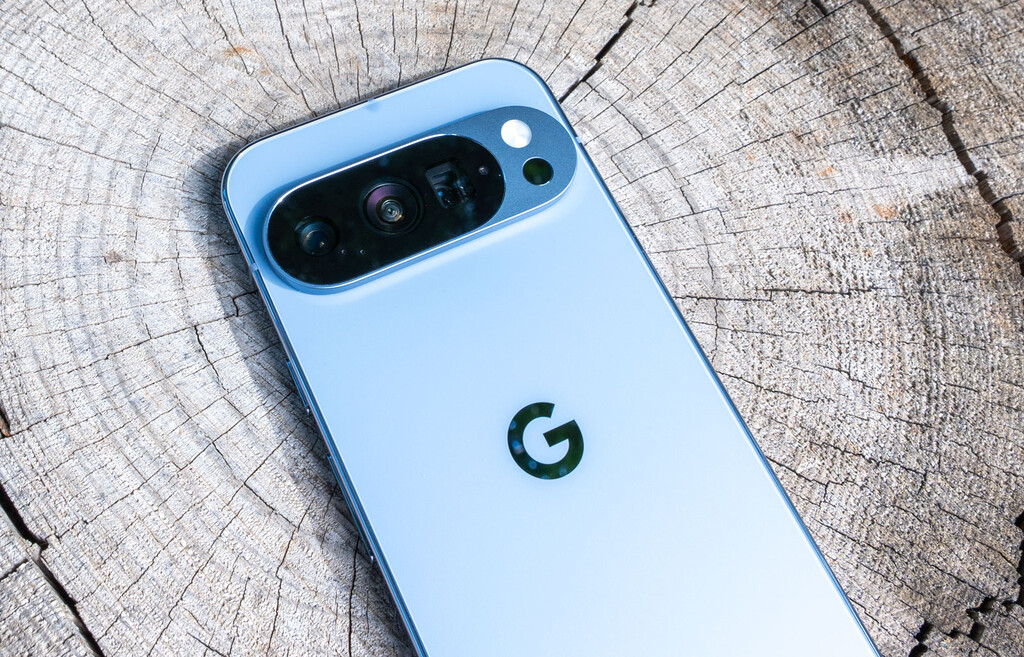
Barkat did not confirm whether Google pays these exact prices, but the figure illustrates how much more expensive it has become to build a smartphone today. The surge is not limited to phones; consoles, graphics cards, and even budget handsets are all feeling the pinch.
Why Are Memory Prices Rising So Fast?
The memory market is cyclical, but the current spike is driven by a combination of factors. Demand for high-bandwidth memory (HBM) used in AI accelerators has soared, diverting production capacity away from consumer-grade DRAM and NAND flash.
At the same time, manufacturers are still recovering from previous downturns, and supply chain adjustments have not kept pace with the AI-driven boom. As a result, prices for the memory chips that go into phones, laptops, and consoles have climbed sharply.
How Will This Affect the Pixel 11 and Other Devices?
Barkat's comments are widely seen as preparing consumers for a price increase on the Pixel 11. The memory crisis could push the cost of the new phones higher than their predecessors, and other manufacturers may follow suit.
Consoles and graphics cards are already seeing price hikes, and the budget smartphone segment is not immune. For consumers, this means that the next generation of devices may offer less value for money unless manufacturers find ways to absorb the costs.
- Memory prices have quadrupled according to Morgan Stanley data cited by Google VP Shakil Barkat.
- Pixel 11 launch on August 12 could see higher prices due to the memory crisis.
- AI demand for HBM is diverting memory production away from consumer devices.
- Consoles, GPUs, and budget phones are all affected by the same trend.
- Consumers should expect to pay more for new devices in the near term.
Memory Price Increases: How Bad Is It?
To put the surge in perspective, here is a comparison of typical memory price changes over recent periods. The current spike stands out for its speed and magnitude.
| Period | Approximate Price Change | Key Driver |
|---|---|---|
| 2022-2023 | Stable to slight decline | Post-pandemic demand normalization |
| 2023-2024 | Moderate increase | Early AI demand |
| 2024-2025 | Sharp increase (up to 4x) | AI boom, HBM production shift |
The table shows that the current increase is not a gradual trend but a sudden shock. For device makers, this means rethinking pricing strategies and component sourcing. The background to this story is set out in Amazon Raises Prices on Kindle, Echo, and Fire TV Due to RAM Crisis. A related thread runs through Sony May Raise PS5 Prices Again as Memory Costs Climb. Earlier coverage in RAMageddon: AI Memory Shortage Hikes iPhone Prices by £100 shows how the argument developed.
What Does This Mean for Consumers?
If you are planning to buy a new phone, console, or graphics card, you may want to act sooner rather than later. Prices are unlikely to drop in the short term, and the Pixel 11 could be the first major phone launch to reflect the new reality. A closer look at the same subject appears in Chinese AI Chips Face 50% Price Surge as HBM Memory Shortage Bites. Anyone following the wider picture can start with Google Pixel 11 and 11 Pro: Serious Contenders for Best Camera Phone. The same theme surfaces in Pixel 11 Review: Google Sets Standard for Flagship Phones, which takes a different angle.
On the other hand, if you can wait, the market may stabilize as new memory production comes online. However, experts predict that the AI-driven demand will keep pressure on prices for the foreseeable future. Context on how this played out before sits in Oil Price Jumps as US-Iran Clashes Raise Rate Rise Odds. A companion piece, Nvidia Shield TV Pro Price Hike: 50% Increase Due to Memory Shortage, approaches the same subject from another angle.
FAQ
Why are memory prices rising so much?
Memory prices are rising primarily due to increased demand for high-bandwidth memory (HBM) used in AI data centers. This has diverted manufacturing capacity away from consumer-grade memory, creating a supply shortage that has driven up prices.
Will the Pixel 11 be more expensive because of this?
It is highly likely. Google VP Shakil Barkat's comments suggest that the company is preparing for higher costs, and the Pixel 11 may launch at a higher price than previous models. However, Google has not confirmed official pricing yet.
Are other devices affected by the memory price surge?
Yes, the surge affects a wide range of devices, including game consoles, graphics cards, and budget smartphones. Any product that relies on DRAM or NAND flash memory is likely to see cost increases.
When will memory prices go back down?
It is difficult to predict, but the current demand from AI is expected to persist. New memory fabrication plants are being built, but they will take time to come online. Prices may stabilize in the next year or two, but a return to previous lows is unlikely in the near term.
As the Pixel 11 launch approaches, all eyes will be on Google's pricing announcement. The memory crisis is a reminder that even the biggest tech companies are not immune to supply chain shocks.
Browse the Shop
 Acacia frida deluxe solid wood bed frame |
Bedroom bench |
Bed chest drawers |
Lingerie dresser |
Frame base |
Mirror with jewelry storage |
30 Bathroom Vanity |
Memory foam queen mattress |
Mattresses for back pain |
Nightstand set of 2 |
Grand Goldman Shop |
Civil Lawyer
Deutschland Trikot WM 2026







