

Laser chip connections are emerging as a potential game-changer for data centers, promising to replace physical cables with light-based links for faster, more efficient computing. If you've ever built a PC, you know that connecting components is as crucial as the parts themselves—the motherboard acts as a highway for data, and its quality directly impacts overall performance.
In data centers and servers, the same principle applies: better connections between chips and equipment mean lower latency, higher bandwidth, and improved performance. These connections are currently physical, but a French startup, backed by NVIDIA, aims to change the rules of the game.
Find Original Home Decor sparking conversation at Grand Goldman Shop.

Why Laser Chip Connections Matter
Improving interconnection speed isn't just a nice-to-have—it's essential. NVIDIA has begun producing its next-generation platform, dubbed Vera Rubin, a system that can be linked with others to multiply performance. That linking is physical, but there comes a point where physics hits a wall.
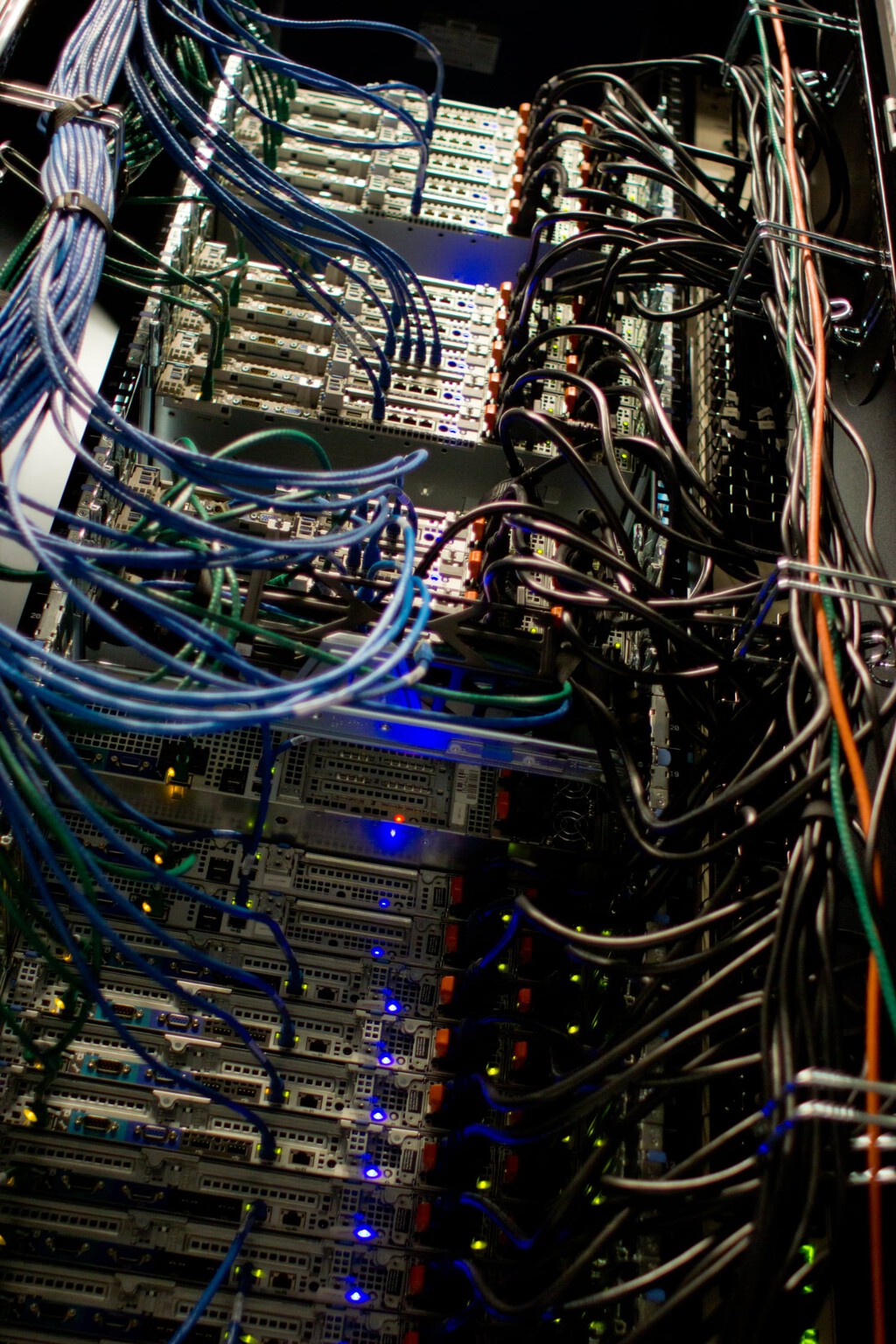
When that happens, NVIDIA wants to be ready. Recently, Reuters reported a $4 billion investment by NVIDIA in two companies—Lumentum and Coherent—that are aggressively researching new technologies to help increase interconnection speed. Another company they've invested in is Scintil Photonics, a French startup.

How Laser Connections Work
Instead of using copper cables to transmit data between chips, laser connections use light. This approach, known as silicon photonics, integrates optical components directly onto silicon chips, enabling high-speed data transfer with less energy loss.
Scintil Photonics specializes in this area, developing integrated photonic circuits that combine lasers and other optical elements on a single chip. This could dramatically reduce the size and cost of optical interconnects, making them viable for widespread use in data centers.
Key Benefits of Laser Chip Connections
- Higher bandwidth: Light can carry more data than electrical signals over the same period.
- Lower latency: Optical signals travel faster and with less delay.
- Reduced power consumption: Photonic links use less energy than copper cables.
- Less heat generation: Lower energy use means cooler operation.
- Scalability: Easier to scale up for growing data demands.
NVIDIA's Strategic Investments
NVIDIA's $4 billion investment in Lumentum, Coherent, and Scintil Photonics signals a strong commitment to optical interconnects. These companies are at the forefront of developing technologies that could redefine data center architecture.
Lumentum and Coherent are established players in photonics, while Scintil Photonics brings innovative integrated solutions. Together, they cover a range of approaches to optical connectivity.
| Company | Focus Area | Key Technology |
|---|---|---|
| Lumentum | Optical components | High-speed transceivers |
| Coherent | Photonics and lasers | Optical networking solutions |
| Scintil Photonics | Integrated photonics | On-chip lasers |
The Future of Data Center Interconnects
As data demands continue to soar with AI and cloud computing, traditional electrical interconnects are reaching their limits. Laser chip connections offer a path forward, enabling faster and more efficient data transfer.
While the technology is still in development, NVIDIA's investment suggests confidence in its potential. The move could spur further innovation and adoption across the industry.
Challenges to Overcome
Integrating lasers onto silicon chips is complex, requiring precise manufacturing and materials compatibility. Cost is another barrier, as photonic components are currently more expensive than their electrical counterparts.
However, as research progresses and economies of scale kick in, these challenges are likely to diminish. The potential benefits far outweigh the hurdles. The background to this story is set out in Nvidia's $4 Billion Photonics Bet: The Future of AI Data Centers. A related thread runs through SpaceX Admits Space Data Centers Face Major Hurdles. Earlier coverage in Data Center Game: Learn How Data Centers Work shows how the argument developed.
What This Means for the Industry
If successful, laser chip connections could reshape data center design, leading to smaller, faster, and greener facilities. Companies that adopt early may gain a competitive edge. A closer look at the same subject appears in Ulanqab: The Chinese City Powering AI Data Centers. Anyone following the wider picture can start with Data Centers as Heat Islands: A Growing Environmental Concern. The same theme surfaces in Zaragoza Protests Data Centers Over Water, Jobs, and Taxes, which takes a different angle.
NVIDIA's investment also highlights the growing importance of photonics in the tech sector. Other players are likely to follow suit, accelerating development. Context on how this played out before sits in AI Data Centers Face a Power Grid Bottleneck Crisis. A companion piece, Ireland Data Centers Now Use 23% of National Electricity, approaches the same subject from another angle.
FAQ
What are laser chip connections?
Laser chip connections use light to transmit data between chips, replacing traditional copper cables. This technology, based on silicon photonics, enables higher bandwidth and lower latency.
Why is NVIDIA investing in this technology?
NVIDIA aims to overcome the physical limits of electrical interconnects as data demands grow. Their investment in Lumentum, Coherent, and Scintil Photonics supports the development of optical solutions for future data centers.
When will laser chip connections be available?
While still in development, the technology is progressing rapidly. Commercial adoption may take several years as manufacturing scales and costs decrease.
What are the main benefits of laser connections?
Key benefits include higher bandwidth, lower latency, reduced power consumption, and less heat generation compared to electrical connections.
Browse the Shop
 Acacia frida deluxe solid wood bed frame |
Bedroom bench |
Bed chest drawers |
Lingerie dresser |
Frame base |
Mirror with jewelry storage |
30 Bathroom Vanity |
Memory foam queen mattress |
Mattresses for back pain |
Nightstand set of 2 |
Grand Goldman Shop |
Civil Lawyer
Deutschland Trikot WM 2026







