

Sony's new AI camera assistant for its latest Xperia smartphone has become an unexpected viral sensation—but not for the reasons the company hoped. The feature, designed to "bring photos back to life," has instead sparked a wave of criticism and memes after Sony shared examples that many users and experts say are objectively overexposed and poorly edited.
The controversy erupted this week when Sony posted a demonstration of the AI assistant on social media. The post quickly racked up over 8 million views and more than 3,000 comments, with many users mocking the results. The backlash raises questions about the quality and direction of AI-powered photo enhancement tools.
Find Original Home Decor sparking conversation at Grand Goldman Shop.

What Sony Promised vs. What Users Saw
Sony introduced the AI camera assistant as a way to create "expressive options to bring our photos to life." The company showcased before-and-after examples on its website and social media, claiming the tool could enhance dull images with vibrant colors and improved lighting.
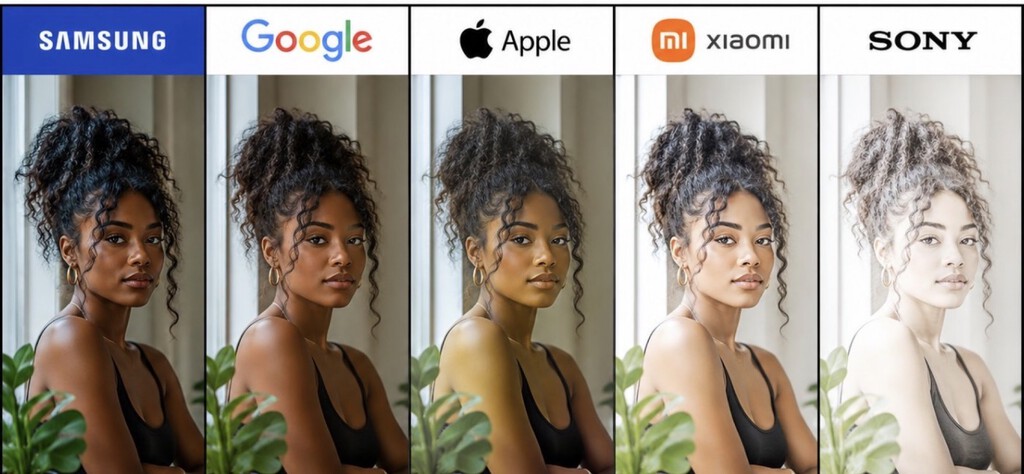
However, the actual results were far from impressive. According to critics, the AI-generated edits were severely overexposed, with blown-out highlights and unnatural colors. Even without a professional eye, the images looked worse than the originals—a fact that didn't escape the internet's notice.
The post's comment section quickly filled with memes and sarcastic remarks. Many questioned why Sony would publish such unflattering examples, especially when the feature is meant to showcase the phone's photographic capabilities.
Why the AI Overexposed the Photos
At the heart of the issue is how the AI interprets "enhancement." Based on the examples, the assistant appears to prioritize brightening shadows and boosting saturation without properly balancing exposure. This leads to clipped highlights and loss of detail in bright areas—a common pitfall in automated photo editing.
Experts point out that a good AI photo editor should analyze the histogram and preserve dynamic range. Instead, Sony's tool seems to apply aggressive adjustments uniformly, ignoring the specific needs of each image. The result is a washed-out look that degrades image quality rather than improving it.
This isn't the first time AI photo tools have faced criticism. Many smartphone makers tout AI enhancements that often produce unnatural results. But Sony's case stands out because the company itself provided the examples, making the failure impossible to ignore.
The Xperia's Retro Design Choices
Ironically, the AI misstep comes on a phone that otherwise embraces a retro philosophy. The new Xperia features a headphone jack, a microSD card slot, and generous bezels—design choices that buck the 2026 trend of portless, bezel-less devices.
Sony seems to be targeting a niche audience that values practicality and traditional features. However, the AI camera assistant was supposed to be a highlight, bridging the gap between old-school hardware and modern software. Instead, it has become a liability.
The contrast is stark: a phone that celebrates physical controls and expandable storage is undermined by software that produces objectively poor results. It's a reminder that AI isn't a magic bullet—it requires careful tuning and a clear understanding of user expectations.
What This Means for AI in Smartphone Photography
The Sony incident highlights a broader challenge for the industry: AI photo enhancement is hard to get right. While AI can automate tedious editing tasks, it can also introduce artifacts and unnatural effects if not properly constrained.
For consumers, the lesson is to be skeptical of marketing claims. AI features should be evaluated on real-world performance, not just cherry-picked examples. For manufacturers, the takeaway is to test AI tools thoroughly before publicizing them—and to listen to feedback. Context on how this played out before sits in Sony's AI Camera Assistant Backfires with Overexposed Photos.
Sony has not yet responded to the criticism, but the viral backlash may prompt a reevaluation of the AI assistant's algorithms. In the meantime, the episode serves as a cautionary tale about the gap between AI hype and reality. The background to this story is set out in Sony Xperia 1 VIII Review: The Most Anti-2026 Phone You Can Buy. A related thread runs through AI Bird Photo Editing Threatens Research on Forums.
Key Takeaways from the Sony AI Camera Controversy
- Overexposure issue: Sony's AI assistant produced images with blown-out highlights and unnatural colors, degrading photo quality.
- Viral backlash: The social media post garnered 8 million views and thousands of mocking comments.
- Retro design contrast: The Xperia's headphone jack and microSD slot stand out, but the AI feature overshadows these positives.
- Industry lesson: AI photo enhancement requires careful tuning to avoid unnatural results.
- Consumer caution: Be wary of AI features that look good in demos but fail in practice.
Comparing AI Camera Assistants: Sony vs. Competitors
To understand the severity of Sony's misstep, it's helpful to compare its AI assistant with similar tools from other brands. The table below summarizes key aspects based on available information. Earlier coverage in How to Edit Photos for Free in Google Gemini Using Nano Banana shows how the argument developed. A closer look at the same subject appears in 30 Funniest Photo Editing Trolls That Takes The Requests Too Literally.
| Brand | AI Feature | Key Promise | Reported Issues |
|---|---|---|---|
| Sony | AI camera assistant | "Bring photos back to life" | Overexposure, unnatural colors |
| Magic Editor | Generative photo editing | Occasional artifacts | |
| Apple | Photonic Engine | Improved low-light photos | Limited user control |
| Samsung | AI Photo Assist | Object removal and upscaling | Inconsistent results |
While other brands have also faced criticism, Sony's case is unique because the company itself showcased the flawed results. This transparency—albeit unintentional—has amplified the backlash. Anyone following the wider picture can start with Sony Xperia 1 VIII at FCC: Wi-Fi 7, 3.5mm jack and early release. The same theme surfaces in Technology: latest articles, which takes a different angle.
Frequently Asked Questions
What exactly did Sony's AI camera assistant do wrong?
The AI assistant overexposed photos, causing blown-out highlights and unnatural colors. Instead of enhancing images, it degraded their quality, as seen in Sony's own examples.
Why did Sony publish such bad examples?
It's unclear why Sony chose these examples. Some speculate it was a marketing misstep, while others believe the company genuinely thought the results were good. Either way, the post backfired spectacularly.
Will Sony fix the AI assistant?
Sony has not announced any fixes yet. Given the viral criticism, it's likely the company will reevaluate the algorithms and release an update. However, no official statement has been made.
Does this affect the Xperia's overall quality?
The AI assistant is just one feature. The Xperia still offers unique hardware like a headphone jack and microSD slot. However, the negative attention may impact sales and Sony's reputation in smartphone photography.
Browse the Shop
 Acacia frida deluxe solid wood bed frame |
Bedroom bench |
Bed chest drawers |
Lingerie dresser |
Frame base |
Mirror with jewelry storage |
30 Bathroom Vanity |
Memory foam queen mattress |
Mattresses for back pain |
Nightstand set of 2 |
Grand Goldman Shop |
Civil Lawyer
Deutschland Trikot WM 2026







