

AI is driving us to consume more books than ever, but that doesn't necessarily mean we're actually reading them. The way we engage with books has fragmented into diverse reading experiences, from paper loyalists to audiobook multitaskers, and now AI-powered summaries and platforms are adding another layer. This raises a pressing question: what does it truly mean to read in 2026?
The Many Faces of Reading Today
Reading is no longer a one-size-fits-all activity. There are those who swear by the physical book, refusing to dog-ear a page. Others are glued to their Kindle, while some prefer to train or commute with an audiobook. Each reader chooses how they confront a work, and that variety is enriching.
Find Original Home Decor sparking conversation at Grand Goldman Shop.

But this diversity also leads to an uncomfortable question: what exactly counts as reading? We still associate reading with traversing every page of a work, yet our relationship with books doesn't necessarily end there. AI tools now offer summaries, analyses, and even generated text, blurring the lines between consumption and comprehension.
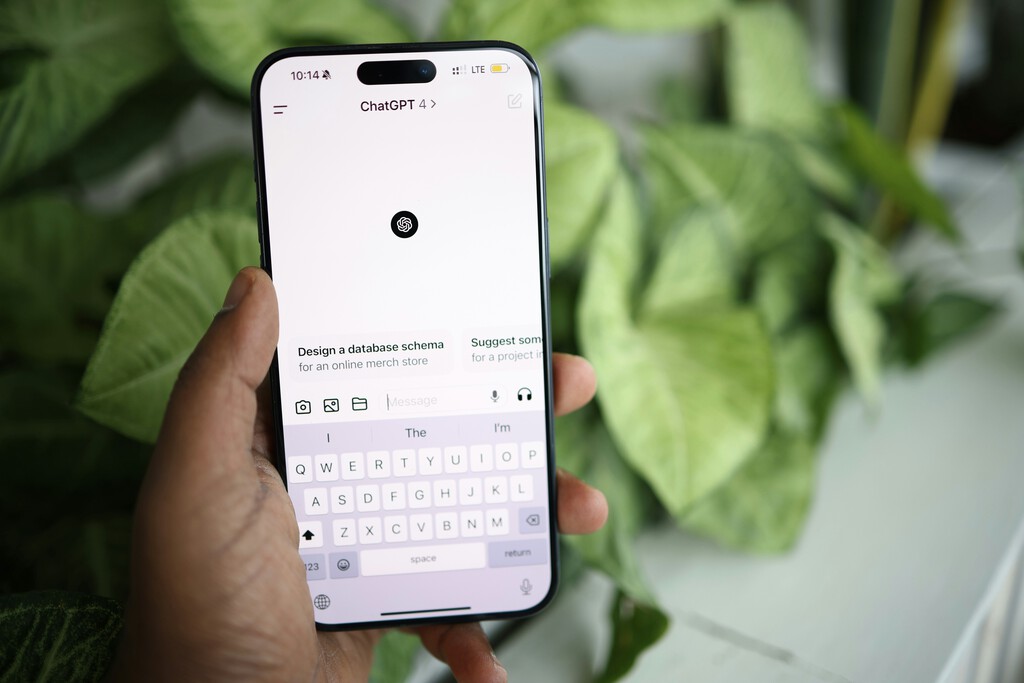
The Speed Culture Invading Reading
We live in a culture that prizes speed. Our pace of life predisposes us to want everything fast, with attention captured in the first seconds, ideally through summarized and easy-to-consume content that keeps us up to date with social media trends. That logic has reached the world of reading.
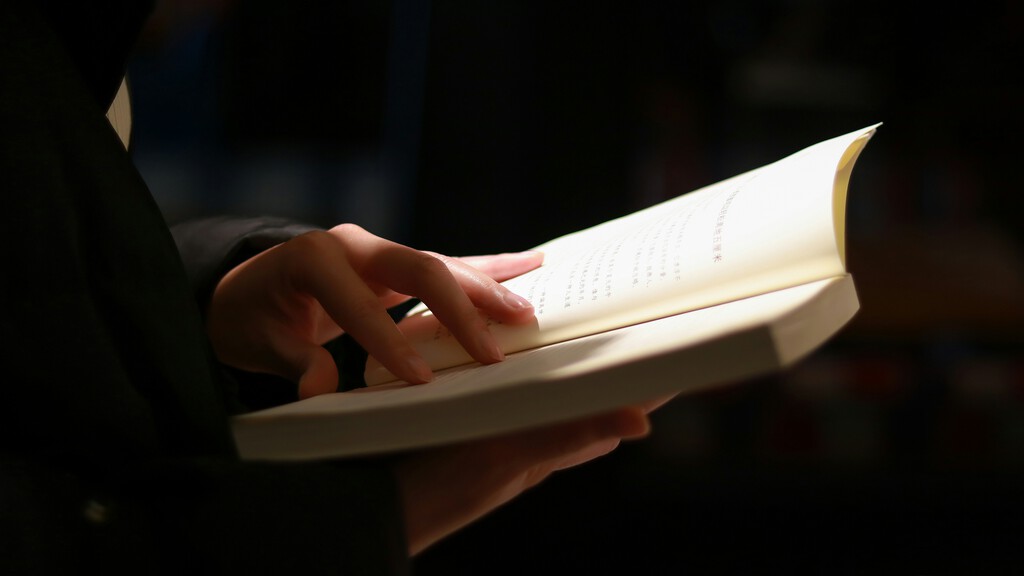
It's not uncommon to find BookTok creators claiming to have read up to 100 books in periods that seem suspicious, to say the least. Until you discover that some promote platforms that precisely offer summaries or AI-generated digests. The result is a performance of reading rather than the act itself.
AI: A Double-Edged Sword for Readers
AI can be a powerful ally. It can recommend books tailored to our tastes, translate texts in real time, and even help those with visual impairments access literature through text-to-speech. These tools democratize access and can enhance the reading experience.
However, AI also enables a shortcut culture. Platforms that summarize entire books into a few bullet points or generate fake reviews can undermine the depth that reading provides. The risk is that we confuse consuming information about a book with the actual experience of reading it.
What the Data Says About Reading Habits
Despite concerns, overall book consumption is up. According to recent reports, sales of physical books have remained stable, while audiobooks and e-books continue to grow. But the time spent reading deeply may be shrinking as we skim more and more.
Social media has amplified this trend. BookTok, Bookstagram, and other communities celebrate reading challenges and tallies, sometimes encouraging quantity over quality. The pressure to keep up can turn reading into another box to check.
- Reading is diverse: Paper, e-books, audiobooks, and AI summaries all count as ways to engage with texts.
- Speed culture affects reading: The desire for quick content has led to a rise in book summaries and AI-generated digests.
- AI offers both benefits and risks: It can improve accessibility but also promote superficial consumption.
- Consumption ≠ comprehension: Finishing a book summary is not the same as reading the full work.
- Social media drives trends: BookTok and similar platforms influence how and why we read.
How AI Is Changing the Reading Experience
AI is not just a tool for summaries; it's also reshaping how books are discovered and discussed. Recommendation algorithms can predict what you'll love next, and AI chatbots can discuss plot points with you. This interactivity can deepen engagement for some readers. The longer history behind the story is traced in Mallorca Snail Decline Sparks Agricultural Pest Crisis.
Yet, there's a risk of echo chambers. If AI only feeds us what we already like, we may miss out on diverse voices and challenging ideas. Moreover, the line between human-written and AI-generated content is blurring, raising questions about authenticity in literature. The background to this story is set out in Couch-to-5K for Books: Rebuild Your Reading Habit. A related thread runs through Top Business Books to Read This Month for Growth. Earlier coverage in Book Annotations: Should Your Girlfriend Stop Writing in Books shows how the argument developed.
The Future of Reading: Quality Over Quantity
As we move further into the AI era, the definition of reading will continue to evolve. But perhaps the most important shift is a return to quality over quantity. Reading challenges and speed-reading apps may fade as readers seek deeper, more meaningful connections with books. A closer look at the same subject appears in Book Annotation Debate: Should Your Partner Stop Writing in Books. Anyone following the wider picture can start with The three best books to read by Tom Wolfe (now more than ever) - Grand Goldman. The same theme surfaces in Book Club Rules: How to Pick a Winner Everyone Loves, which takes a different angle.
Publishers and authors are also adapting, experimenting with AI-enhanced books and interactive narratives. The key will be to use technology to enhance, not replace, the immersive experience of reading. Context on how this played out before sits in Best New Children's Books: Picture Books and Novels for Kids. A companion piece, Best E-Readers 2026: Top 6 Picks for Every Book Lover, approaches the same subject from another angle.
| Reading Format | Pros | Cons |
|---|---|---|
| Physical Books | Tactile experience, no screen fatigue | Less portable, can be expensive |
| E-books | Portable, adjustable font, often cheaper | Screen time, requires device |
| Audiobooks | Multitasking, accessibility | Less immersive for some, can be distracting |
| AI Summaries | Quick overview, time-saving | Lacks depth, may miss nuance |
FAQ
Is consuming book summaries considered reading?
It depends on your definition. Summaries provide key points but skip the immersive experience of a full text. They can be useful for overviews but shouldn't replace deep reading.
How is AI changing the way we read?
AI offers personalized recommendations, text-to-speech, and instant summaries. It can enhance accessibility but also encourages skimming and superficial engagement.
Why do BookTok creators claim to read so many books?
Some use speed-reading techniques or summaries to boost their numbers. It's often more about performance and social media presence than genuine deep reading.
Will physical books disappear due to AI?
Unlikely. Many readers still cherish the tactile experience of physical books. AI may change how we discover and interact with books, but print has enduring appeal.
Browse the Shop
 Acacia frida deluxe solid wood bed frame |
Bedroom bench |
Bed chest drawers |
Lingerie dresser |
Frame base |
Mirror with jewelry storage |
30 Bathroom Vanity |
Memory foam queen mattress |
Mattresses for back pain |
Nightstand set of 2 |
Grand Goldman Shop |
Civil Lawyer
Deutschland Trikot WM 2026







