

Spain's loss of its submarine-hunting aircraft in 2022 left a critical gap in its defense, but Airbus is now rebuilding that capability in Seville with the C295. The retirement of the veteran P-3 Orion fleet in December 2022 marked the end of an era for Spanish naval aviation. For a country with thousands of kilometers of coastline and a strategic position between the Atlantic and the Mediterranean, the absence of a dedicated antisubmarine warfare (ASW) platform was a glaring vulnerability. Now, a program developed entirely in Andalusia aims to restore that lost edge.
Why Submarine Hunting Matters
Submarine warfare has evolved dramatically since World War II, but the core challenge remains: finding and neutralizing hidden threats beneath the waves. During WWII, unconventional ideas like converting B-17 bombers into remote-controlled drones loaded with explosives were tested—and failed. Yet the lesson endured: antisubmarine warfare demands some of the most advanced and unusual technologies of any era.
Find Original Home Decor sparking conversation at Grand Goldman Shop.

Modern submarines are quieter and more lethal than ever. Detecting them requires sophisticated sensors, from sonobuoys to magnetic anomaly detectors, and the ability to process vast amounts of data in real time. Losing this capability leaves a nation blind to underwater intrusions, a risk that Spain could ill afford given its naval responsibilities.
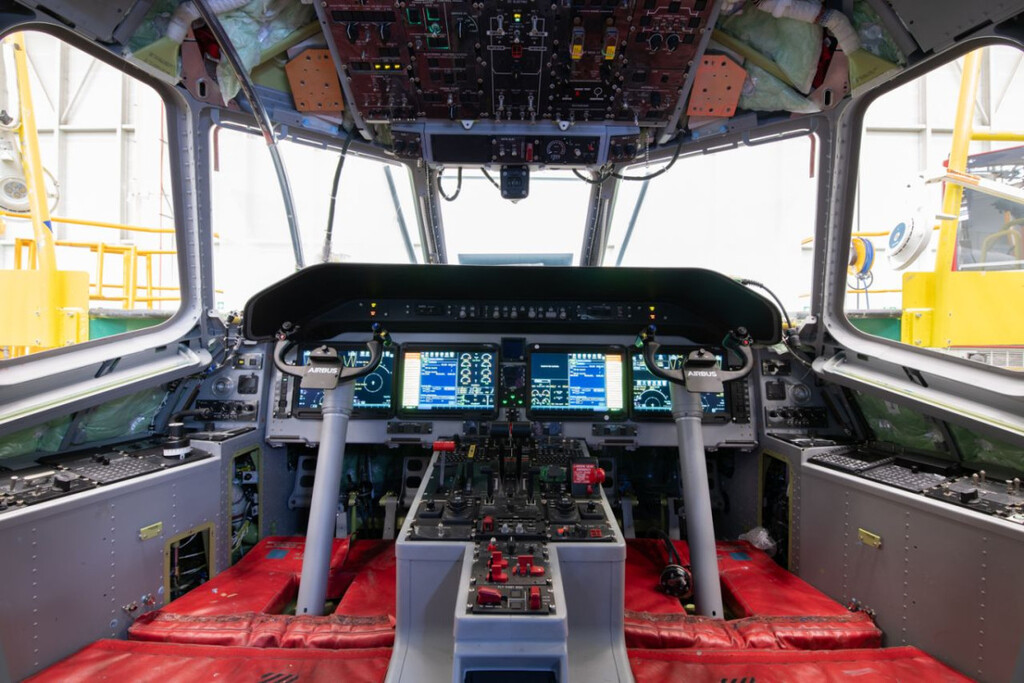
The Gap: Spain Without an ASW Aircraft
When the P-3 Orion fleet was retired, Spain joined a small group of coastal nations without a dedicated ASW aircraft. The Orions had served for decades, but their airframes were aging and maintenance costs were soaring. The gap was especially felt in the Strait of Gibraltar and the Canary Islands, where submarine activity—both commercial and military—is routine.
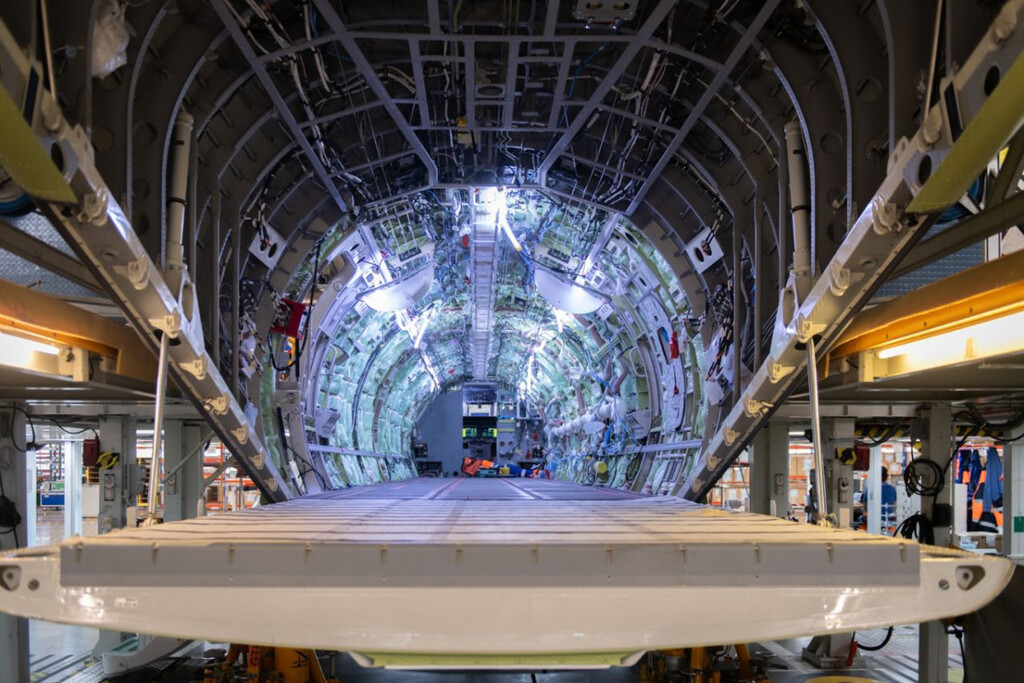
Without an airborne ASW platform, the Spanish Navy has had to rely on surface ships and helicopters, which have shorter range and endurance. This limitation reduces the area that can be effectively monitored and slows response times to potential threats.
Airbus C295: The Seville Solution
Airbus Defence and Space is developing a new ASW variant of the C295, a proven tactical transport aircraft. The program, based in Seville, aims to deliver a fully integrated antisubmarine platform by the mid-2020s. The C295 ASW will be equipped with a suite of sensors including sonobuoys, a magnetic anomaly detector (MAD), and an electro-optical turret. It will also carry lightweight torpedoes for engaging submarines.
The choice of the C295 reflects a balance between cost and capability. Unlike larger platforms like the P-8 Poseidon, the C295 can operate from shorter runways and costs less to procure and maintain. For Spain, this means a cost-effective way to regain a critical capability while supporting domestic industry.
What This Means for Spain's Defense Industry
The C295 program is a boon for Spain's defense sector. Airbus employs thousands of workers in Andalusia, and the ASW variant could attract export orders from other nations seeking affordable ASW solutions. The program also strengthens Spain's technological sovereignty, reducing reliance on foreign suppliers for a key military capability. The longer history behind the story is traced in Airbus Opens Second A330 MRTT Conversion Center in Seville. More on the surrounding debate is collected in Boeing Loses Ground to Airbus in Italy's $1.5B Tanker Deal.
Moreover, the development of the C295 ASW demonstrates Airbus's ability to innovate in a niche market. The company has already secured interest from several countries, and a successful Spanish program could serve as a launchpad for broader sales. The background to this story is set out in F-35 Fleet Readiness Crisis: Only 25% Fully Mission Capable. A related thread runs through Morocco Eyes Naval Defense Expo to Rival Spain's Billions. Earlier coverage in Spain's Defense Against Russia: Why Hybrid Threats Expose New Gaps shows how the argument developed.
Key Takeaways
- Spain lost its submarine-hunting capability in December 2022 with the retirement of the P-3 Orion fleet.
- Airbus is developing a new ASW variant of the C295 in Seville to fill this gap.
- The C295 ASW will feature advanced sensors and weapons for detecting and attacking submarines.
- The program supports Spain's defense industry and could lead to export opportunities.
- Regaining ASW capability is crucial for Spain's maritime security, especially in the Strait of Gibraltar.
Comparing ASW Platforms
| Aircraft | Role | Key Features | Operator |
|---|---|---|---|
| P-3 Orion | Maritime patrol and ASW | Four turboprop engines, MAD, sonobuoys, torpedoes | Retired by Spain in 2022 |
| C295 ASW | ASW and maritime surveillance | Twin turboprop, sonobuoys, MAD, torpedoes | In development for Spain |
| P-8 Poseidon | ASW and maritime patrol | Jet engines, advanced sensors, torpedoes | Used by US, UK, others |
What to Watch Next
The first C295 ASW prototype is expected to fly in the coming years, with deliveries to the Spanish Air Force planned before the end of the decade. Successful testing will be crucial to prove the platform's effectiveness in real-world conditions. Meanwhile, Spain's Navy will continue to rely on other assets to monitor its waters, but the return of an airborne ASW capability will significantly enhance its ability to detect and deter submarine threats. A closer look at the same subject appears in Trending: latest articles. Anyone following the wider picture can start with SIRTAP Drone Nears First Flight in Major European Defense Milestone. The same theme surfaces in China's Submarine Without Sail: A New Era in Naval Engineering, which takes a different angle.
As geopolitical tensions rise and underwater warfare becomes more sophisticated, Spain's investment in the C295 ASW is a prudent step toward maintaining maritime security. The program also highlights the importance of domestic defense innovation in an increasingly uncertain world. Context on how this played out before sits in European Future Fighter Jet Program Collapses: France, Germany, Spain Split. A companion piece, Seville's SE-40 Bridge: Spain's Longest Road Bridge to Ease Traffic, approaches the same subject from another angle.
FAQ
What happened to Spain's submarine-hunting aircraft?
Spain retired its fleet of P-3 Orion aircraft in December 2022, leaving the country without a dedicated antisubmarine warfare platform.
What is the C295 ASW?
The C295 ASW is a new variant of the Airbus C295 transport aircraft, equipped with sensors and weapons to detect and attack submarines.
Why is the C295 being built in Seville?
Airbus has a major manufacturing facility in Seville, and the program supports Spain's domestic defense industry and technological sovereignty.
When will the C295 ASW enter service?
The aircraft is in development, with deliveries expected before the end of the decade, pending successful testing.
Browse the Shop
 Acacia frida deluxe solid wood bed frame |
Bedroom bench |
Bed chest drawers |
Lingerie dresser |
Frame base |
Mirror with jewelry storage |
30 Bathroom Vanity |
Memory foam queen mattress |
Mattresses for back pain |
Nightstand set of 2 |
Grand Goldman Shop |
Civil Lawyer
Deutschland Trikot WM 2026







