

The Airbus U740 Valkyrie, a collaborative combat drone developed with Kratos, has successfully completed its first European flight test, marking a significant step in Germany's Plan B for replacing aging fighter jets amid delays in the European Future Combat Air System (FCAS). The test, conducted on September 29, 2026, at an undisclosed location in northern Europe, demonstrated the drone's capabilities and signaled a pragmatic shift in European defense strategy.
This milestone comes as Europe struggles with disputes over its sixth-generation fighter program, prompting Airbus to accelerate a more practical solution: a hybrid that combines an American drone with European brains. The U740 Valkyrie could provide Germany with a combat-ready option before 2029, filling a critical capability gap.
Find Original, High-end Home Decor that spark conversation at Grand Goldman Shop.

What Happened: First European Flight of the U740 Valkyrie
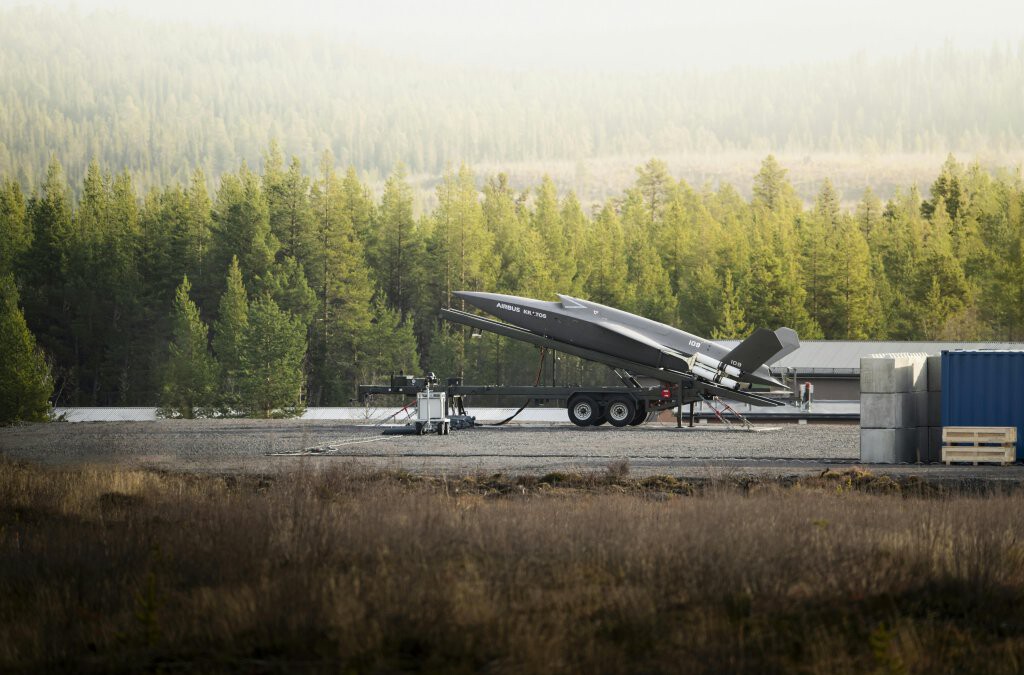
On September 29, 2026, Airbus and Kratos conducted the first European flight of the U740 Valkyrie. The drone took off with rocket assistance, executed maneuvers at various altitudes, reached speeds of up to Mach 0.8, and even changed its mission mid-flight. Airbus announced the results on October 12, stating that all planned objectives were met.
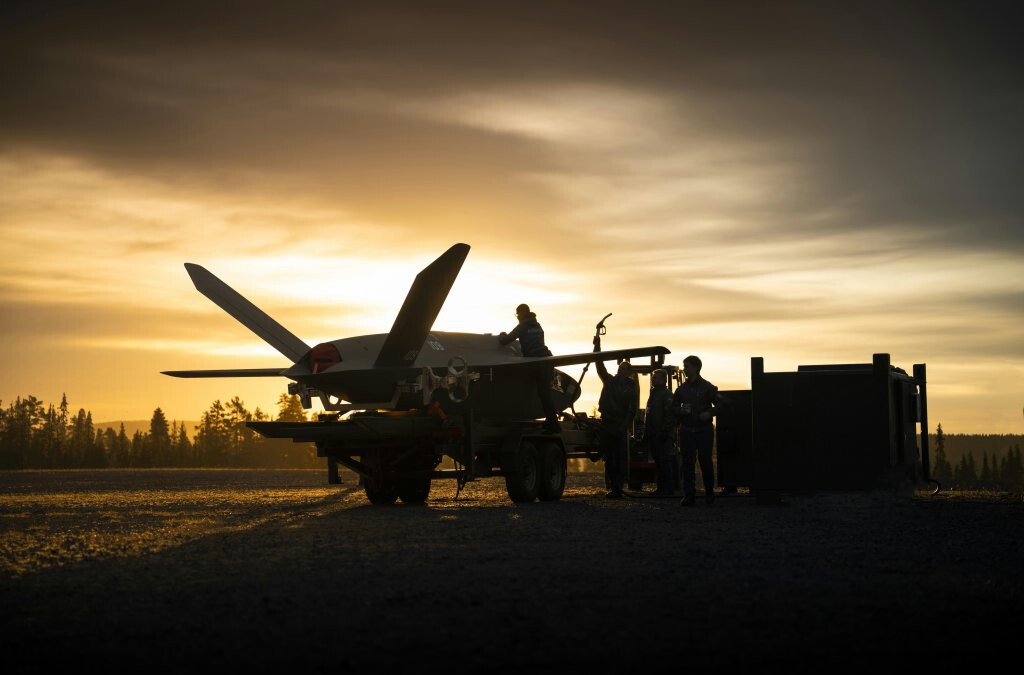
The test represents a first step toward a combat-ready proposal that the two companies aim to deliver by 2029. However, Germany has not yet officially selected the model. The flight was a proof of concept, demonstrating that the hybrid approach can work and potentially offering a faster alternative to the delayed FCAS.
Why It Matters: Germany's Urgent Need for Air Power
Germany faces a pressing need to reinforce its air force before 2029, when older aircraft are set to retire. The FCAS program, a joint effort with France and Spain, has been plagued by disputes over workshare and technology, delaying its timeline. The U740 Valkyrie offers a stopgap solution that could be ready in time.
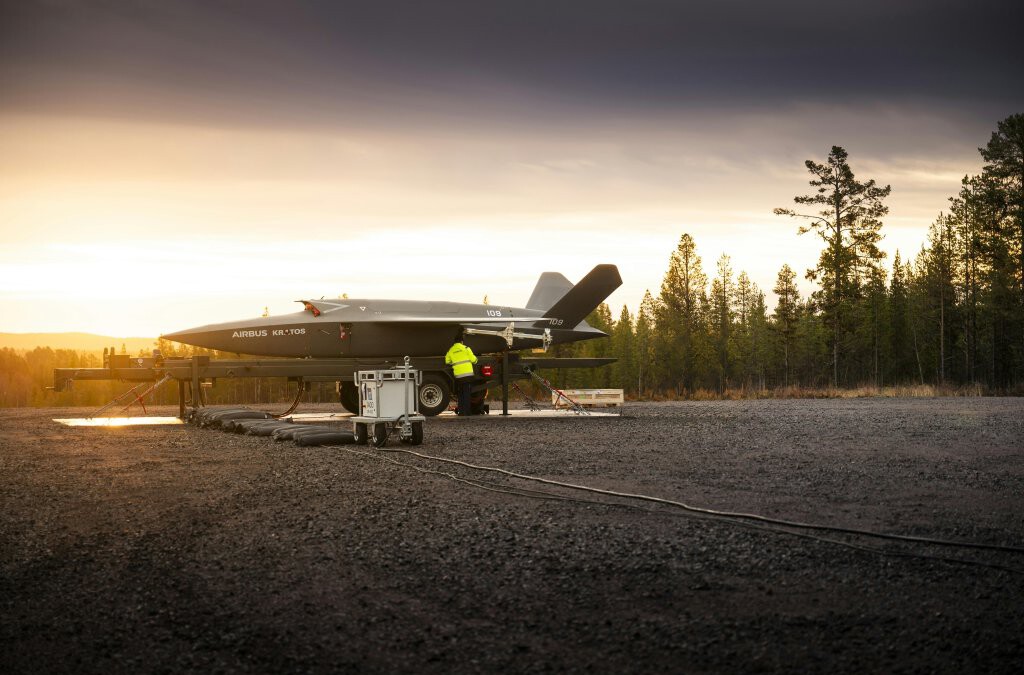
This drone is not just any unmanned aircraft; it is designed to fly alongside manned fighters, acting as a loyal wingman. With its relatively low cost and rapid development, it could provide Germany with a flexible and affordable way to boost its combat capabilities without waiting for the troubled FCAS.
American Wings, European Brains: The Technology Behind the U740
The U740 Valkyrie is a hybrid that combines Kratos's XQ-58A Valkyrie drone with Airbus's MARS (Medium Altitude Reconnaissance System) mission system. Kratos brings the airframe and flight control systems, while Airbus contributes the European brain that integrates sensors, communication, and mission management.
This collaboration leverages American expertise in low-cost combat drones and European know-how in systems integration. The result is a platform that can operate autonomously or under human control, adapt to changing mission parameters, and potentially carry a variety of payloads. Context on how this played out before sits in Airbus U740 Valkyrie: Germany's Plan B for Fighter Jet Gap.
Key Features of the U740 Valkyrie
- Rocket-assisted takeoff for rapid deployment from austere locations.
- Speeds up to Mach 0.8, enabling it to keep pace with manned fighters.
- In-flight mission reconfiguration for dynamic combat scenarios.
- European MARS mission system for seamless integration with allied forces.
- Low-cost design based on the Kratos XQ-58A, making it attritable.
U740 Valkyrie vs. FCAS: A Comparison
The U740 Valkyrie and the FCAS represent two different approaches to future air combat. The FCAS is a comprehensive system of systems that includes a sixth-generation fighter, drones, and a combat cloud. The U740, by contrast, is a focused solution that delivers a combat drone quickly and affordably. The background to this story is set out in Europe's Fighter Jet Plans in Disarray: What Happens Next. A related thread runs through F-35 Fighter Jet Parts Missing in Hong Kong: Australia Investigates.
| Aspect | U740 Valkyrie | FCAS |
|---|---|---|
| Type | Collaborative combat drone | System of systems (fighter + drones) |
| Timeline | Combat-ready by 2029 | Delayed beyond 2040 |
| Cost | Relatively low (attritable) | Very high |
| Partners | Airbus (Europe) and Kratos (US) | Germany, France, Spain |
| Status | First flight completed | In development, disputes ongoing |
What to Watch Next: Germany's Decision and Future Flights
Germany is expected to decide on the U740 Valkyrie in the coming months. If selected, the drone could enter service by 2029, providing a bridge until the FCAS becomes available. Meanwhile, Airbus and Kratos plan further flight tests to expand the drone's capabilities and demonstrate its combat readiness. Earlier coverage in Trending: latest articles shows how the argument developed. A closer look at the same subject appears in Best European Cities for Quality of Life and Cost: Malaga and Valencia.
The success of this program could also influence other European nations looking for affordable combat drones. It may pave the way for broader adoption of collaborative combat aircraft and strengthen transatlantic defense cooperation. Anyone following the wider picture can start with Bakery for 100 Euros a Year: Teruel Town Seeks Baker. The same theme surfaces in Lidl's Flexible 3000W Pressure Washer for Floors and Walls, which takes a different angle.
FAQ
What is the Airbus U740 Valkyrie?
The U740 Valkyrie is a collaborative combat drone developed by Airbus and Kratos. It combines the American XQ-58A Valkyrie airframe with Airbus's European MARS mission system, designed to fly alongside manned fighters and perform various combat missions.
Why is Germany considering the U740 Valkyrie?
Germany needs to reinforce its air force before 2029 due to retiring aircraft and delays in the European FCAS program. The U740 offers a combat-ready solution by 2029 at a relatively low cost, serving as a pragmatic stopgap.
When will the U740 Valkyrie be ready for combat?
Airbus and Kratos aim to have the U740 Valkyrie ready for combat by 2029, pending Germany's official selection. Further flight tests are planned to demonstrate its capabilities.
How does the U740 Valkyrie differ from the FCAS?
The U740 is a focused, low-cost combat drone, while the FCAS is a comprehensive system of systems including a sixth-generation fighter. The U740 can be fielded much sooner, while the FCAS is delayed beyond 2040.
Browse the Shop
 Acacia frida deluxe solid wood bed frame |
Bedroom bench |
Bed chest drawers |
Lingerie dresser |
Frame base |
Mirror with jewelry storage |
30 Bathroom Vanity |
Memory foam queen mattress |
Mattresses for back pain |
Nightstand set of 2 |
Grand Goldman Shop |
Civil Lawyer
Deutschland Trikot WM 2026
Acacia frida deluxe solid wood bed frame |
Bedroom bench |
Bed chest drawers |
Lingerie dresser |
Frame base |
Mirror with jewelry storage |
30 Bathroom Vanity |
Memory foam queen mattress |
Mattresses for back pain |
Nightstand set of 2 |
Grand Goldman Shop |
Civil Lawyer
Deutschland Trikot WM 2026










