

The absurd death of Albert Camus on January 4, 1960, remains one of literature's most haunting ironies. The philosopher who devoted his life to exploring the senselessness of human existence died in a car crash that seemed to mock his own ideas. The accident occurred on the Route Nationale 5 near Villeblevin in Burgundy, when a luxury Facel Vega veered off the road and struck a plane tree.
The impact killed Camus instantly. His friend and publisher, Michel Gallimard, who was driving, died a few days later. The tragedy silenced a writer who had famously dissected the absurd condition of humanity, leaving behind a mystery that still fascinates readers and scholars.
Find Original Home Decor sparking conversation at Grand Goldman Shop.

The Facel Vega Crash That Ended a Literary Life
Camus had spent the Christmas holidays in Lourmarin and originally planned to return to Paris by train. He even bought a ticket, which some accounts say was found in his pocket after the crash. But Michel Gallimard persuaded him to travel by car instead, in his new Facel Vega.
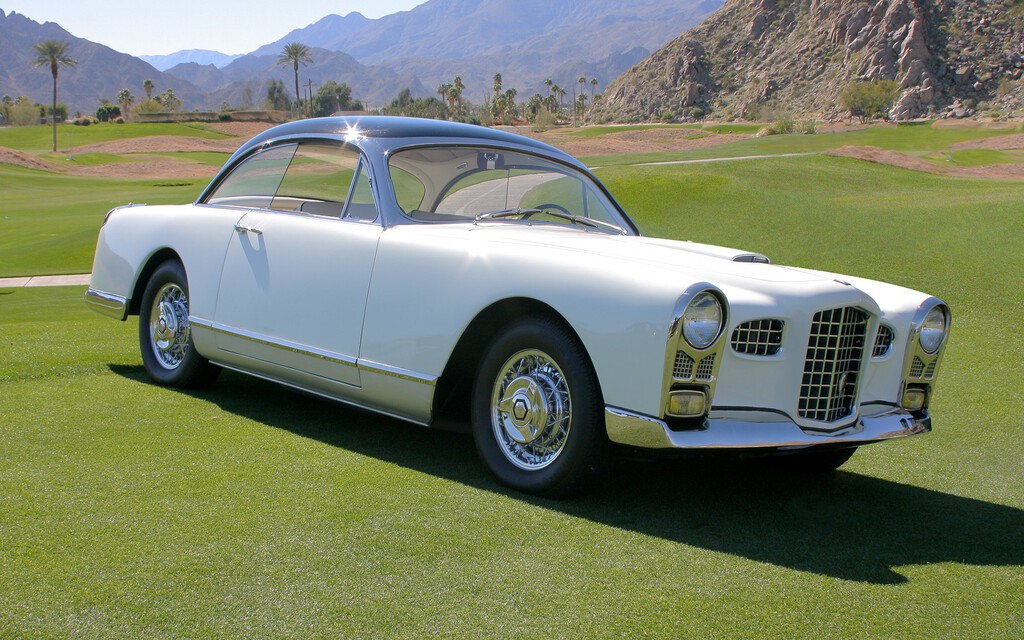
The Facel Vega was a French luxury vehicle coveted by celebrities like Pablo Picasso, Ava Gardner, and James Dean. Its powerful engine and sleek design made it a symbol of prestige. That afternoon, the car left the road for reasons that remain unclear. The violent collision with the plane tree ended Camus's life at just 46 years old.
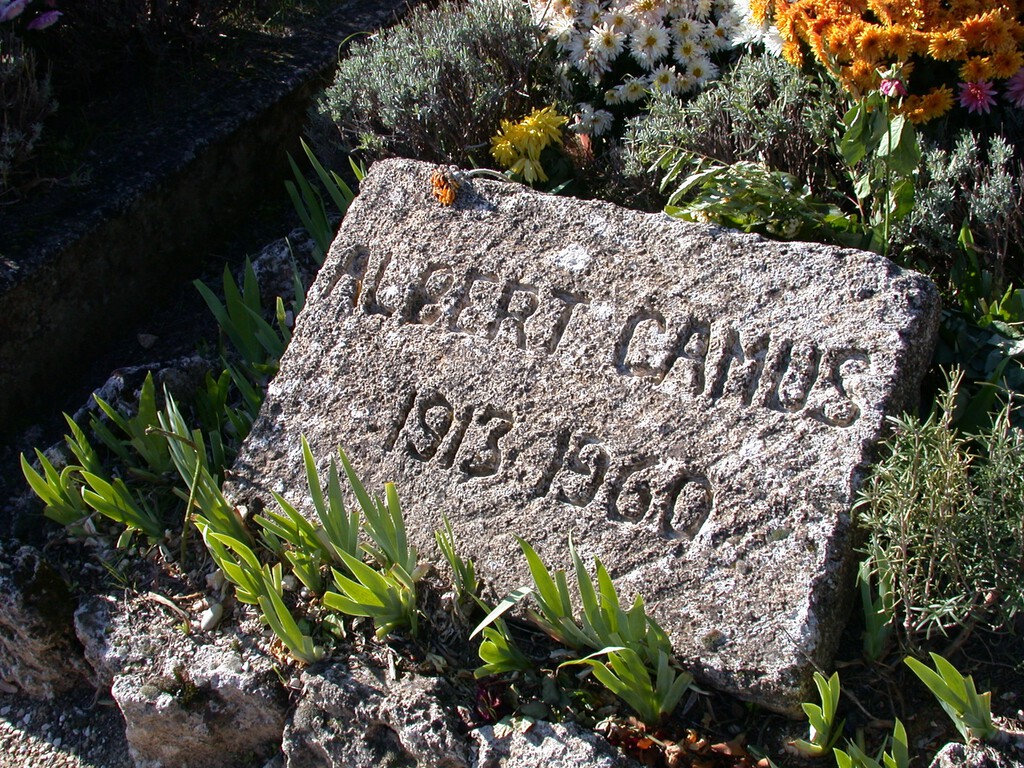
Why Camus's Death Feels Absurdly Ironic
Camus is best known for The Myth of Sisyphus and The Stranger, works that confront the meaningless of existence. His philosophy argued that humans must embrace the absurd and continue living with defiance. Yet his own death came suddenly and senselessly, as if fate had scripted a cruel punchline.
The irony is sharpened by the fact that Camus reportedly disliked cars and speed. Whether true or not, the image of a man who preferred the train dying in a high-powered luxury car adds another layer to the absurdity. It is a story that seems to have sprung from one of his own novels.
The KGB Conspiracy Theory: Fact or Fiction?
In 2011, Italian poet Giovanni Catelli proposed a controversial theory: that the KGB had tampered with the car's tire, causing the crash. Catelli based his claim on a diary entry by Czech poet and translator Jan Zábrana, who allegedly heard the story from a Soviet source.
The theory suggests that Camus's criticism of the Soviet Union made him a target. However, no hard evidence has ever emerged to support this. Most historians and biographers dismiss the idea as speculation. The official explanation remains a tragic accident, likely caused by a blown tire or driver error.
What the Evidence Shows
The crash investigation at the time concluded that the car had swerved and hit the tree. The Facel Vega was known for its powerful engine, and some experts have suggested that a tire blowout at high speed could have caused the loss of control. The KGB theory, while intriguing, lacks any corroborating documents or witnesses. The background to this story is set out in Chris Ames' 'I Made This Just For You' Review: Absurd Satire. A related thread runs through I Made This Just For You Review: Absurd Satire of Modern Life. Earlier coverage in Trending: latest articles shows how the argument developed.
Key Takeaways from Camus's Death
- Camus died on January 4, 1960, in a car crash near Villeblevin, France.
- He was traveling in a Facel Vega driven by his publisher, Michel Gallimard.
- Camus had originally planned to take the train but changed his mind.
- The KGB conspiracy theory emerged in 2011 but remains unproven.
- His death is often seen as a darkly ironic reflection of his philosophy of the absurd.
Comparing the Theories and Facts
| Aspect | Official Account | KGB Conspiracy Theory |
|---|---|---|
| Cause of crash | Accidental loss of control | Deliberate tampering with tire |
| Evidence | Police report, witness accounts | Alleged diary entry, no physical proof |
| Motive | None | Camus's anti-Soviet stance |
| Support | Most biographers and historians | Minority of researchers |
What to Watch Next
Interest in Camus's life and death continues to generate documentaries and books. The KGB theory, while lacking evidence, keeps the mystery alive. For those who study his work, the crash remains a poignant reminder of the absurdity he wrote about. A closer look at the same subject appears in Einstein Quote on Miracles: The Truth Behind the Famous Line. Anyone following the wider picture can start with Lottery Winner's $1M vs $1,000 Weekly: The Smarter Choice. The same theme surfaces in Roland Garros 2025 on Movistar Plus: Complete Coverage, which takes a different angle.
As we reflect on his legacy, the circumstances of his death invite us to consider how randomness and irony shape human lives. Camus himself might have appreciated the dark humor of it all. Context on how this played out before sits in New Orleans Tanker Collision: Cruise Ship Capsizes in Mississippi.
FAQ
How did Albert Camus die?
Albert Camus died in a car crash on January 4, 1960, when the Facel Vega he was riding in left the road and hit a tree near Villeblevin, France. He was killed instantly.
Was the KGB involved in Camus's death?
In 2011, a theory emerged suggesting the KGB tampered with the car's tire. However, no concrete evidence has ever been found, and most experts dismiss it as speculation.
Why is Camus's death considered absurd?
Camus was a philosopher who wrote extensively about the absurdity of life. His sudden, random death in a car crash seemed to mirror the themes of his work, creating a tragic irony.
What was Camus doing when he died?
He was returning to Paris after spending Christmas in Lourmarin. He had originally planned to take the train but accepted a ride from his publisher, Michel Gallimard.
Browse the Shop
 Acacia frida deluxe solid wood bed frame |
Bedroom bench |
Bed chest drawers |
Lingerie dresser |
Frame base |
Mirror with jewelry storage |
30 Bathroom Vanity |
Memory foam queen mattress |
Mattresses for back pain |
Nightstand set of 2 |
Grand Goldman Shop |
Civil Lawyer
Deutschland Trikot WM 2026







