

The ancient Riotinto mines in Huelva, Spain, remained active for an astonishing 400 years during antiquity, and the key to this discovery lies in a handful of remarkably preserved sandals. These esparto grass footwear artifacts, found in the old mining settlement of Urium, offer a rare glimpse into the daily lives of miners over 2,000 years ago.
Archaeologists unearthed eight sandal soles in the "Nuevo Filón Norte 1" sector, nestled among layers of ash from ancient metallurgical furnaces. The find is extraordinary because organic materials like esparto grass typically degrade within centuries, yet these soles survived almost intact.
Find Original Home Decor sparking conversation at Grand Goldman Shop.

Why the Riotinto Sandals Are a Remarkable Find
Discovering well-preserved organic artifacts from antiquity is exceedingly rare. The sandals, made from esparto grass, were likely standard footwear for miners working in the harsh conditions of the Riotinto mines. Their survival is attributed to the unique environment created by the ash mounds, which may have helped preserve the plant fibers.
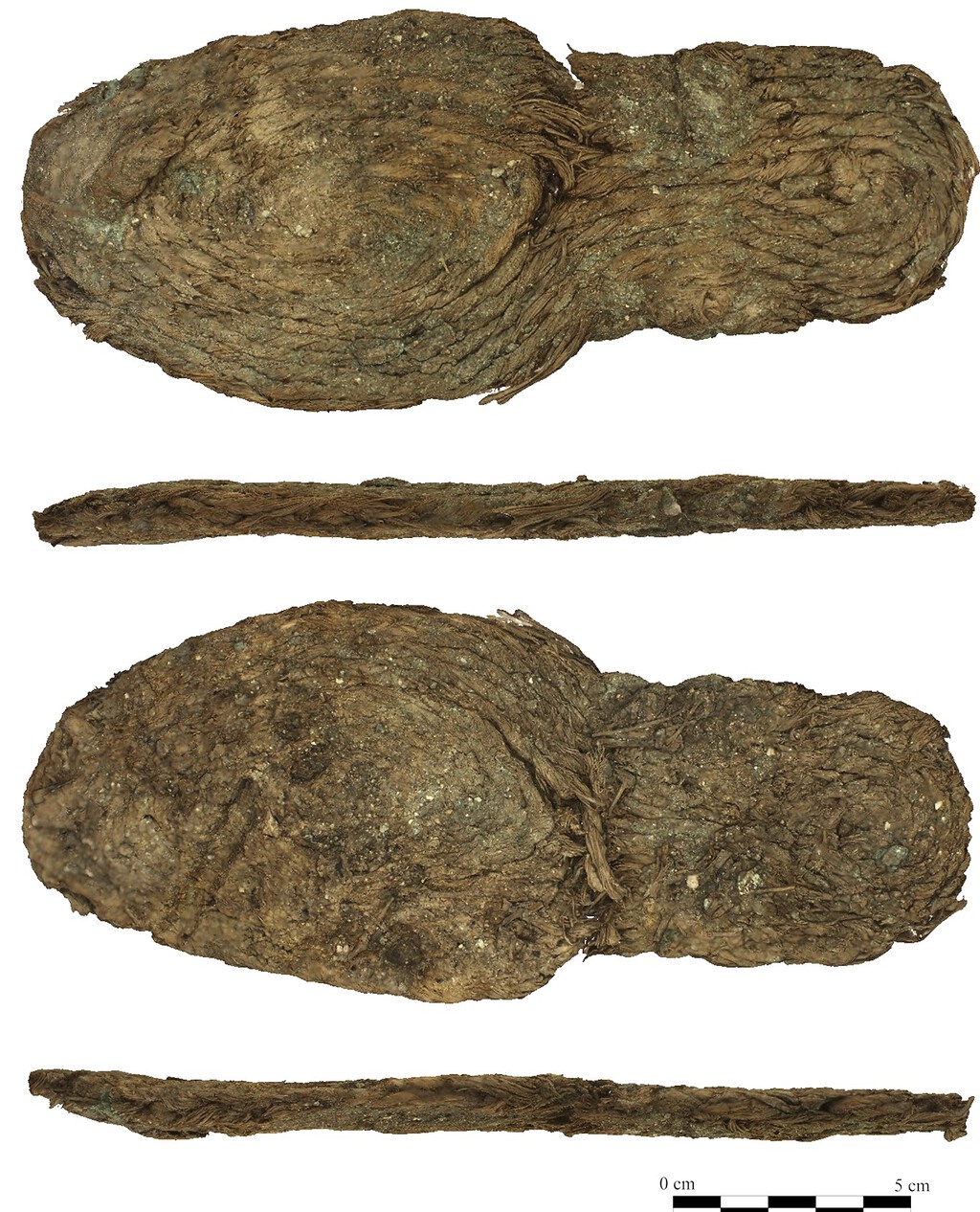
The eight soles span a period of 400 years, from the oldest to the most recent, indicating that the design and manufacturing techniques remained remarkably consistent over centuries. This continuity suggests that the sandals were highly effective for the miners' needs, leading to a stable, long-lasting craft tradition.
What the Sandals Reveal About Ancient Mining Life
The sandals provide tangible evidence of the everyday life of miners in Urium. They were likely designed for durability and protection in the rugged terrain of the mines. The fact that the design persisted for four centuries implies that the footwear was well-suited to the job, and perhaps even standardized.
Moreover, the presence of such footwear indicates a level of organization and provisioning for the workforce. The mines were not just places of extraction but also communities with specialized artisans who crafted tools and clothing for the laborers.
The Significance of the 400-Year Continuity
The 400-year span of sandal production at Riotinto is a testament to the longevity and stability of the mining operations. It suggests that the mines were continuously active during that period, contrary to previous assumptions that might have seen intermittent activity.
This continuity also highlights the sustainable practices of the ancient miners, who managed to exploit the resources for centuries without depleting them entirely. The sandals, therefore, are not just footwear but markers of economic and industrial persistence.
How the Sandals Were Preserved
The exceptional preservation of the esparto sandals is due to the specific conditions of the ash mounds. The ash, a byproduct of smelting furnaces, created an alkaline environment that inhibited the growth of microorganisms that would normally decompose organic matter.
Additionally, the dry climate of the region contributed to the desiccation of the fibers, further preventing decay. Such favorable conditions are rare, making the Riotinto sandals a unique archaeological treasure.
Implications for Understanding Ancient Technology
The sandals demonstrate a high level of craftsmanship and material knowledge. The artisans who made them understood the properties of esparto grass and how to weave it into durable soles. The consistency of the design over 400 years suggests that this knowledge was passed down through generations.
This find also challenges the notion that ancient technology was static; instead, it shows that when a design worked well, it was retained and refined, much like modern engineering principles. The background to this story is set out in Best UK Walking Sandals for Women: 10 Comfy Supportive Styles. A related thread runs through Best UK Walking Sandals for Women: 10 Comfy Summer Styles. Earlier coverage in 10 Best UK Walking Sandals for Women: Comfy & Supportive Summer S shows how the argument developed.
What Happened to the Mines After Antiquity?
After the Roman period, the Riotinto mines saw periods of abandonment and revival. The sandals, however, date from the Roman era, when the mines were intensively exploited. The artifacts help date the activity and provide context for the scale of operations. A closer look at the same subject appears in Trending: latest articles. Anyone following the wider picture can start with Ancient Papyrus Reveals Roman Judicial System Secrets. The same theme surfaces in Roman Treasure Hoards: Why 7.5 Million Coins Were Buried and Never Recovered, which takes a different angle.
Today, the mines are a major tourist attraction and a site of ongoing archaeological research, with each discovery adding to our understanding of ancient industry. Context on how this played out before sits in Pompeii Wardrobe Yields Perfume Bottle and Child's Necklace. A companion piece, Ancient Riotinto Mines Active for 400 Years Thanks to Sandals, approaches the same subject from another angle.
Key Takeaways
- The Riotinto mines in Huelva were active for 400 years during antiquity, as evidenced by eight esparto sandals.
- The sandals, over 2,000 years old, survived due to the preservative conditions of ash mounds.
- Their consistent design over four centuries indicates a stable, effective craft tradition.
- The find offers rare insight into the daily life and organization of ancient miners.
- This discovery underscores the longevity and sustainability of Roman mining operations in Spain.
Comparison of Sandal Characteristics
| Feature | Oldest Sandal | Most Recent Sandal |
|---|---|---|
| Estimated Age | ~2,400 years old | ~2,000 years old |
| Material | Esparto grass | Esparto grass |
| Design | Basic sole | Basic sole |
| Condition | Fragmented | Well-preserved |
FAQ
What are the Riotinto sandals?
The Riotinto sandals are eight ancient esparto grass soles discovered in the old mining settlement of Urium in Huelva, Spain. They date back over 2,000 years and were used by miners.
Why are the sandals so well preserved?
The sandals were found in ash mounds from ancient furnaces, which created an alkaline environment that inhibited decomposition. The dry climate also helped preserve the organic material.
What do the sandals tell us about the mines?
They indicate that the mines were continuously active for about 400 years, as the sandals span that period. They also show that the footwear design remained consistent, suggesting a stable and effective craft tradition.
Where can I see the sandals?
The sandals are likely housed in a museum or archaeological collection in Huelva or at the Riotinto mining park. Visitors to the area can explore the museum and the ancient mines.
Browse the Shop
 Acacia frida deluxe solid wood bed frame |
Bedroom bench |
Bed chest drawers |
Lingerie dresser |
Frame base |
Mirror with jewelry storage |
30 Bathroom Vanity |
Memory foam queen mattress |
Mattresses for back pain |
Nightstand set of 2 |
Grand Goldman Shop |
Civil Lawyer
Deutschland Trikot WM 2026







