

If you're searching for the best air purifiers 2026 has to offer, you're likely one of the many people dealing with allergies, asthma, or pets at home. Respiratory conditions are increasingly common, and a good air purifier can make a real difference in your indoor air quality. With so many models on the market, choosing the right one can be overwhelming. That's why we've rounded up the top recommendations and a buying guide to help you decide.
Why Air Purifiers Matter in 2026
Indoor air can be two to five times more polluted than outdoor air, according to the EPA. With more people spending time indoors, air purifiers have become essential appliances for many households. They capture airborne particles like pollen, dust, pet dander, and smoke, and some models even tackle volatile organic compounds (VOCs) and odors.
Find Original, High-end Home Decor that spark conversation at Grand Goldman Shop.
If you suffer from allergies or asthma, a purifier can reduce symptoms and improve your quality of life. For pet owners, it helps control dander and odors. And for city dwellers, it can filter out pollution seeping in from outside.

Our Top Pick: Dyson Cool PC2 De-NOx TP12
After extensive testing, our top recommendation for 2026 is the Dyson Cool PC2 De-NOx TP12. It's not cheap, but it delivers exceptional performance and air quality. It features a fully sealed HEPA H13 filter, a K-Carbon filter, and an activated carbon filter, along with advanced sensors that automatically adjust settings.
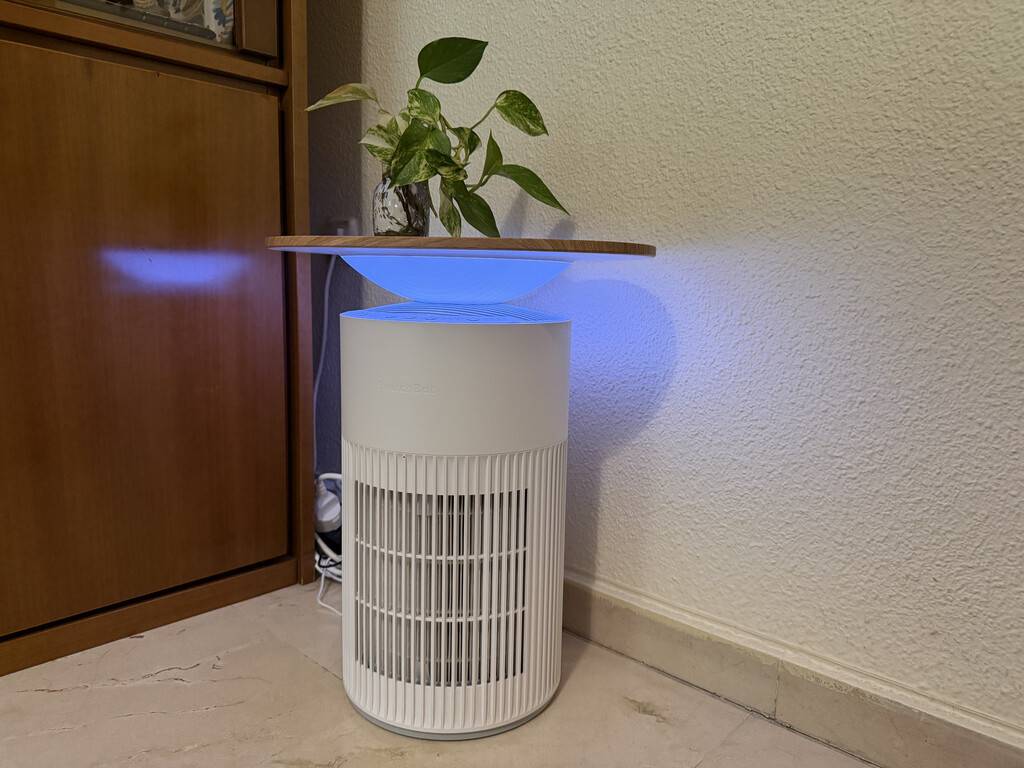
Its design is sleek and easy to use, and it's reliable. It's perfect for urban apartments, homes with children or allergy sufferers, and households with pets. It's also quiet and compact, so it blends into any room while significantly improving air quality.
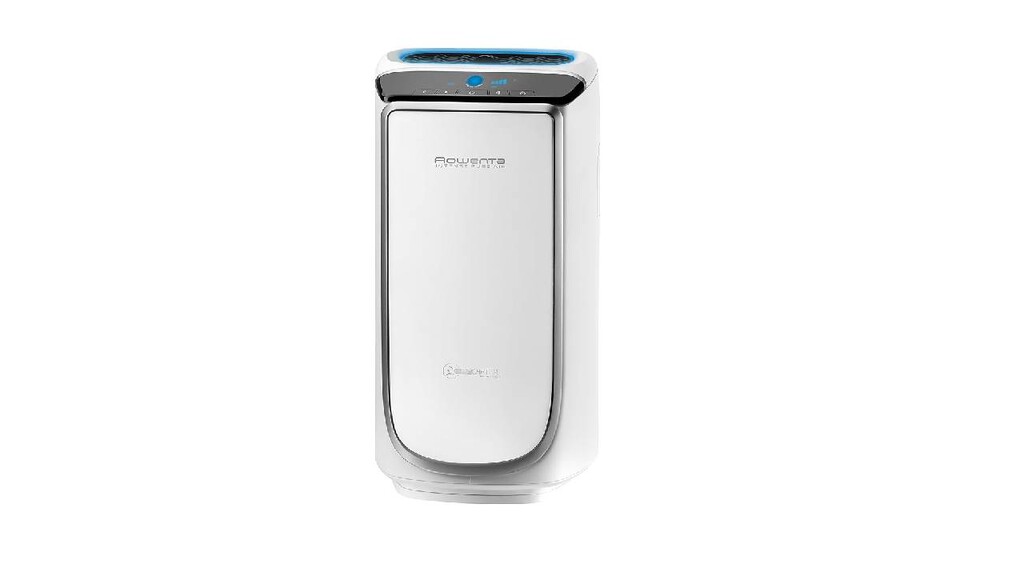
Key Features to Consider When Buying an Air Purifier
Before you buy, consider these critical factors to ensure you get the right purifier for your needs.
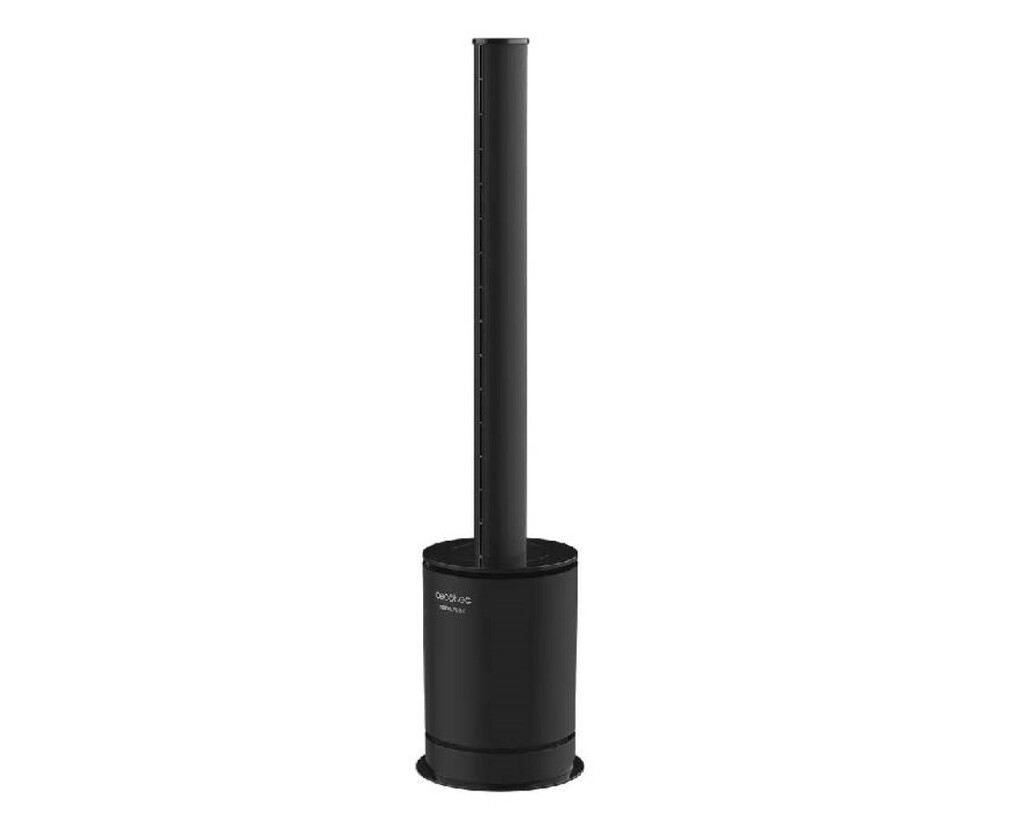
- Filter type: HEPA filters capture 99.97% of particles down to 0.3 microns; activated carbon removes odors and VOCs.
- Room size: Match the purifier's CADR (Clean Air Delivery Rate) to your room's square footage.
- Noise level: Look for models with a sleep mode or low decibel ratings for bedrooms.
- Smart features: Auto mode, air quality sensors, and app connectivity add convenience.
- Maintenance costs: Factor in filter replacement costs and frequency.
Comparison of Top Air Purifiers for 2026
Here's how some of the leading models stack up on key specs.
| Model | Filter Type | Room Size (sq ft) | Noise Level (dB) | Smart Features | Price Range |
|---|---|---|---|---|---|
| Dyson Cool PC2 De-NOx TP12 | HEPA H13 + K-Carbon + Activated Carbon | Up to 500 | Up to 60 | Auto mode, sensors, app | Premium |
| Coway Airmega 400 | True HEPA + Activated Carbon | Up to 1560 | 22-52 | Auto mode, smart sensors | Mid-range |
| Levoit Core 300 | True HEPA + Activated Carbon | Up to 219 | 24-48 | None | Budget |
| Blueair Blue Pure 211+ | HEPASilent + Activated Carbon | Up to 540 | 31-56 | None | Mid-range |
Note: Specs are based on manufacturer data and may vary.
How to Choose the Right Air Purifier for Your Home
Start by measuring your room and identifying your main concerns. If allergies are the issue, prioritize a true HEPA filter. For odors or VOCs, ensure activated carbon is included. Consider smart features if you want automated operation. The longer history behind the story is traced in Best Smart Speakers 2026: Top 7 Models and Buying Guide.
Also, think about where you'll place it. For bedrooms, a quiet model is essential. For living areas, a higher CADR is better. And don't forget filter replacement costs—some models require frequent, expensive replacements. The background to this story is set out in Air Purifiers for Wildfire Smoke: Do They Really Work?. A related thread runs through Air Purifiers for Wildfire Smoke: What You Need to Know. Earlier coverage in What Does an Air Purifier Do for Wildfire Smoke? shows how the argument developed.
Maintenance and Long-Term Costs
Air purifiers require regular maintenance to function effectively. Most filters need replacement every 6-12 months, depending on usage and air quality. Pre-filters can be vacuumed monthly. Budget for replacement filters—they can cost $30-$100 each. A closer look at the same subject appears in VOOPNU HEPA Filter Compact Intake Air Purifier Review. Anyone following the wider picture can start with TruSens Air Purifiers: Breathe Clean, Live Healthy. The same theme surfaces in Security Grilles for Windows: Features, Models & Buying Guide, which takes a different angle.
Some models have washable pre-filters that extend the life of the main filter. Always check the manufacturer's recommendations. Context on how this played out before sits in Building an Air Purifier for your Room!. A companion piece, TCL 55C7L SQD-Mini LED TV at Liquidation Price With Bang & Olufsen Audio, approaches the same subject from another angle.
FAQ
What is the best air purifier for allergies in 2026?
The Dyson Cool PC2 De-NOx TP12 is excellent for allergies due to its sealed HEPA H13 filter, which captures 99.97% of allergens. For a budget option, the Levoit Core 300 with true HEPA is a solid choice.
How often should I replace the filter in my air purifier?
Typically every 6-12 months, but it depends on usage and air quality. If you run it continuously or live in a polluted area, replace it more often. Check the indicator light or manual.
Are air purifiers worth it for pet owners?
Yes, they can significantly reduce pet dander and odors. Look for models with both HEPA and activated carbon filters, like the Dyson or Coway Airmega.
Can air purifiers remove viruses and bacteria?
Some air purifiers with HEPA filters can capture airborne viruses and bacteria, but they are not a substitute for other precautions. Look for models with UV-C light or ionization for added protection, though evidence is mixed.
Final Thoughts
Investing in a quality air purifier can transform your home environment, especially if you suffer from allergies or have pets. The Dyson Cool PC2 De-NOx TP12 stands out as the best overall for 2026, but there are excellent options for every budget. Consider your room size, filter needs, and long-term costs to make an informed decision.
Remember to maintain your purifier regularly for optimal performance. With the right model, you can breathe cleaner, healthier air year-round.
Browse the Shop
 Acacia frida deluxe solid wood bed frame |
Bedroom bench |
Bed chest drawers |
Lingerie dresser |
Frame base |
Mirror with jewelry storage |
30 Bathroom Vanity |
Memory foam queen mattress |
Mattresses for back pain |
Nightstand set of 2 |
Grand Goldman Shop |
Civil Lawyer
Deutschland Trikot WM 2026










