

Choosing a fiber and mobile plan now depends on streaming services as much as on data allowances. The evolution of telecommunications has transformed how we select our home and mobile services, with convergent packages bundling internet, phone, TV, and streaming into one contract.
With the arrival of mobile communications, after the de facto monopoly associated with the landline era, the term "telecommunications operator" entered our vocabulary. Its first boom is associated with a time when buying a mobile phone through operators became popular. It was common to see offers that included "plan + phone for 0 euros" or with more or less aggressive subsidies for devices.
Find Original, High-end Home Decor that spark conversation at Grand Goldman Shop.
Parallel to the rise of mobile telephony and increasing data speeds, the internet began reaching homes at progressively higher speeds. From copper landlines and early modems for PCs and laptops, including ADSL and ISDN, we moved to fiber optics, which allowed the leap from a few dozen "megas" (if lucky) to speeds counted in hundreds, even "gigas." And then came the era of convergent plans.

In addition to fiber, mobile, and television, the convergent plan includes streaming platforms and various digital services, while television has taken on the role of content aggregator. By definition, a convergent plan is a package that brings together several telecommunications services under a single contract, usually fiber optics and mobile, but it can also include television and streaming.

What Is a Convergent Plan and Why Does It Matter?
A convergent plan bundles multiple telecom services—typically fiber internet, mobile lines, and TV—into one contract. This simplifies billing and often reduces costs compared to separate services. But the real game-changer is the inclusion of streaming platforms.
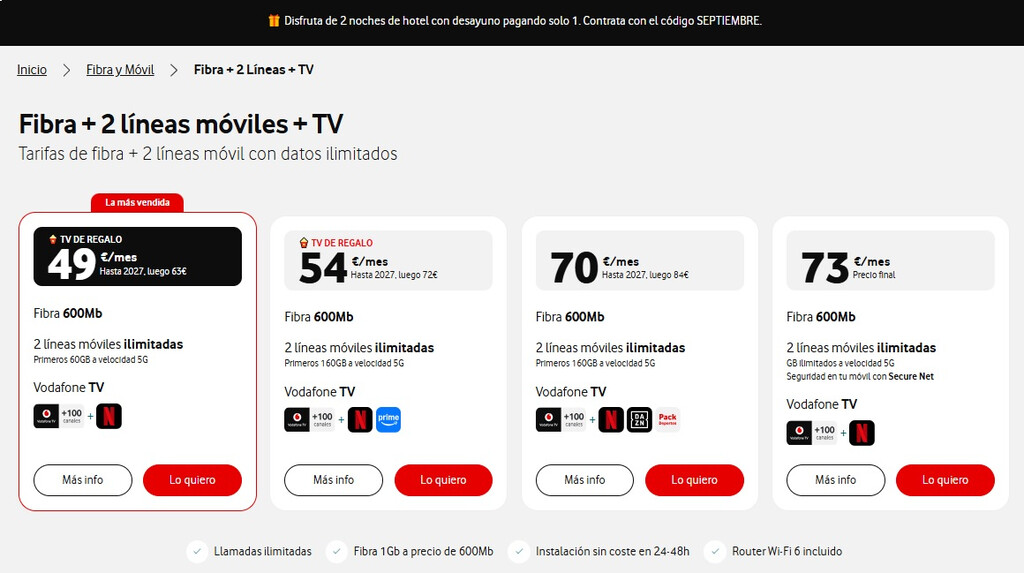
Streaming services like Netflix, Disney+, and HBO Max have become integral to these packages. Providers use them as differentiators, offering access to multiple platforms to attract customers. This shift means that when choosing a plan, you're not just comparing data speeds and prices; you're also evaluating the entertainment value.
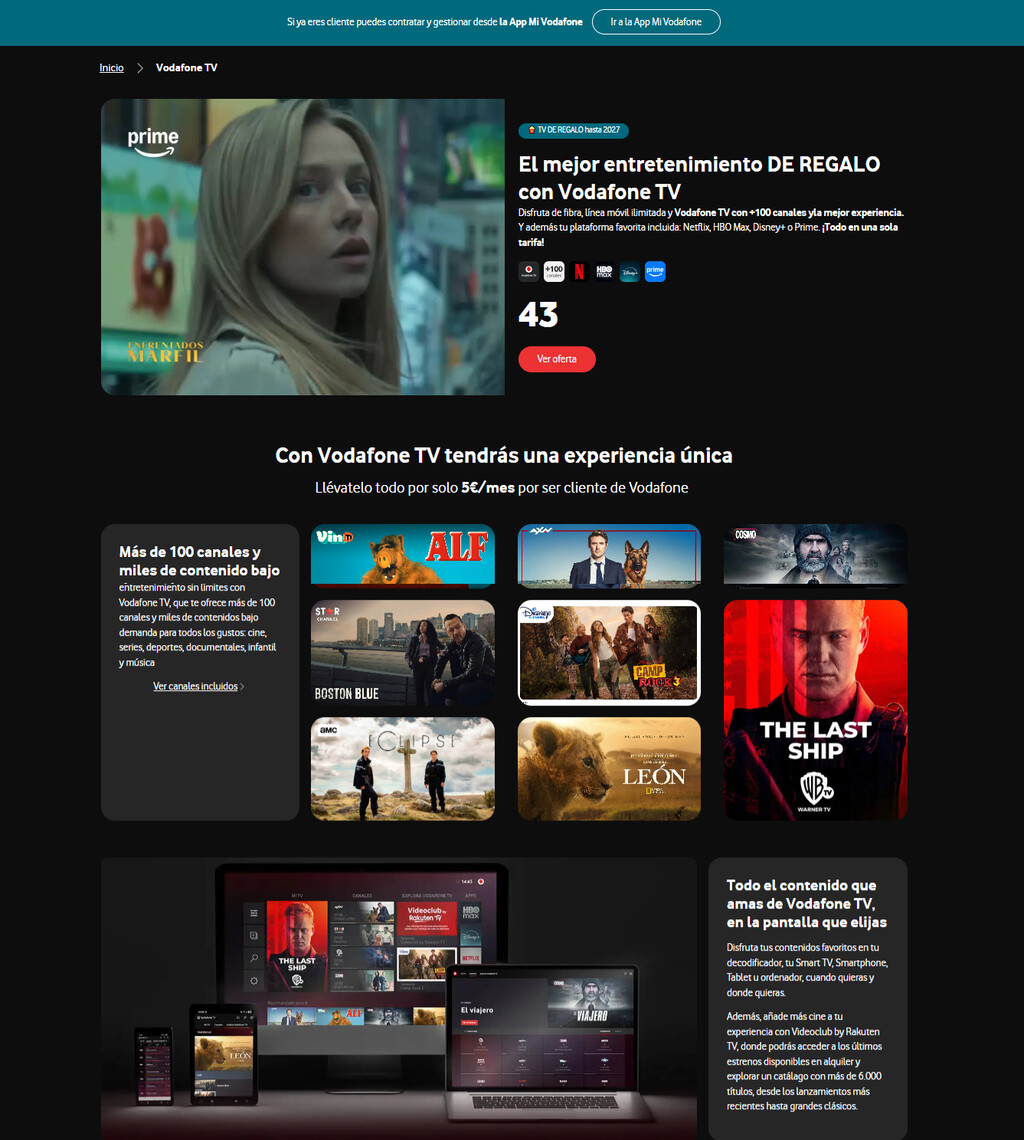
For consumers, this is a double-edged sword. On one hand, bundling streaming can save money and simplify subscriptions. On the other, it can lock you into services you may not need or want.
How Streaming Services Became a Key Factor in Plan Selection
The proliferation of streaming platforms has made content a crucial part of telecom offerings. Operators now negotiate deals with streaming providers to include subscriptions in their plans, often at a discount. This has turned telecom companies into content aggregators, curating a mix of services for their customers.
As a result, the decision-making process for consumers has shifted. Instead of just comparing gigabytes and minutes, people now ask: Which streaming services are included? Can I access my favorite shows? Is the bundle flexible if I want to change services?
This trend is likely to continue as more streaming platforms launch and competition intensifies. Operators will need to stay agile, offering attractive content bundles to retain customers.
Key Takeaways for Choosing a Fiber and Mobile Plan
- Evaluate your streaming needs: List the platforms you use and check if they're included in the plan.
- Compare total costs: Calculate the combined cost of separate services versus the bundle to ensure real savings.
- Check contract flexibility: Look for plans that allow you to adjust services or switch streaming platforms without penalties.
- Consider data speeds and coverage: Don't let streaming perks distract from essential connectivity needs.
- Read the fine print: Understand promotional periods, price increases, and cancellation policies.
Comparing Convergent Plans: What to Look For
When comparing convergent plans, it's essential to look beyond the headline price. Consider the services included, contract length, and any additional fees. The table below outlines typical components of a convergent plan and what to check. Context on how this played out before sits in Choosing a Fiber and Mobile Plan Now Depends on Streaming Too.
| Component | What to Check | Why It Matters |
|---|---|---|
| Fiber speed | Download/upload speeds, reliability | Affects streaming quality and work-from-home capabilities |
| Mobile data | Data allowance, 5G access, coverage | Ensures connectivity on the go |
| Streaming platforms | Which services, number of screens, HD/4K | Determines entertainment value and flexibility |
| TV channels | Channel lineup, on-demand content | Adds variety for traditional viewers |
| Contract terms | Length, price changes, cancellation fees | Avoids unexpected costs and lock-in |
The Future of Telecom Plans: More Than Just Data
The integration of streaming into telecom plans is set to deepen. As 5G and fiber become ubiquitous, operators will differentiate through content and services. We may see more personalized bundles, where customers pick and choose streaming services à la carte. The background to this story is set out in Trending: latest articles. A related thread runs through Gigabyte RTX 50 Infinity GPUs: Premium Design, High Price.
Additionally, the rise of ad-supported streaming tiers could influence plan structures, with operators offering discounted bundles that include ads. This could make plans more affordable but may require trade-offs in viewing experience. Earlier coverage in Nothing Phone (3a) Pro 256GB Drops to €275: Best Budget Smartphone Deal shows how the argument developed. A closer look at the same subject appears in Málaga Metro Dig Uncovers One of Spain's Largest Roman Necropolises.
Ultimately, the key for consumers is to stay informed and flexible. As the market evolves, so should your choices. Anyone following the wider picture can start with Inside F1's 650 TB Mobile Data Center: A Tech Paradise. The same theme surfaces in Student Spends Four Hours Making AI Presentation Look Human, which takes a different angle.
FAQ
What is a convergent plan in telecommunications?
A convergent plan is a bundled package that combines multiple telecom services—such as fiber internet, mobile phone, and television—under a single contract. It often includes streaming platforms and digital services, simplifying billing and potentially reducing costs.
Why are streaming services included in fiber and mobile plans?
Operators include streaming services to add value and differentiate their offerings. By bundling popular platforms, they attract customers who want entertainment alongside connectivity, and they can negotiate discounted rates with streaming providers.
How do I choose the right convergent plan?
Start by assessing your internet speed needs and mobile data usage. Then, list the streaming services you watch and check if they're included. Compare total costs of bundled versus separate services, and review contract terms for flexibility and hidden fees.
Can I change streaming services within my plan?
It depends on the operator. Some plans allow you to switch streaming platforms or add services for a fee, while others lock you into specific ones for the contract duration. Always check the terms before signing up.
Browse the Shop
 Acacia frida deluxe solid wood bed frame |
Bedroom bench |
Bed chest drawers |
Lingerie dresser |
Frame base |
Mirror with jewelry storage |
30 Bathroom Vanity |
Memory foam queen mattress |
Mattresses for back pain |
Nightstand set of 2 |
Grand Goldman Shop |
Civil Lawyer
Deutschland Trikot WM 2026







