

Daisugi is a centuries-old Japanese forestry technique that produces straight, strong lumber without cutting down a single tree. Developed in the 14th century, this method allowed builders to harvest wood from living cedars repeatedly, sometimes for decades.
It sounds contradictory—how can you get timber without felling trees? But in Japan's Kitayama region, necessity led to an ingenious solution that still fascinates foresters and sustainability advocates today.
Find Original Home Decor sparking conversation at Grand Goldman Shop.

What Is Daisugi and Why Was It Invented?
Daisugi (台杉) is a silvicultural technique that originated in the Kitayama area, west of Japan, during the Muromachi period (14th–16th centuries). The region's steep slopes made traditional tree plantations difficult to manage.
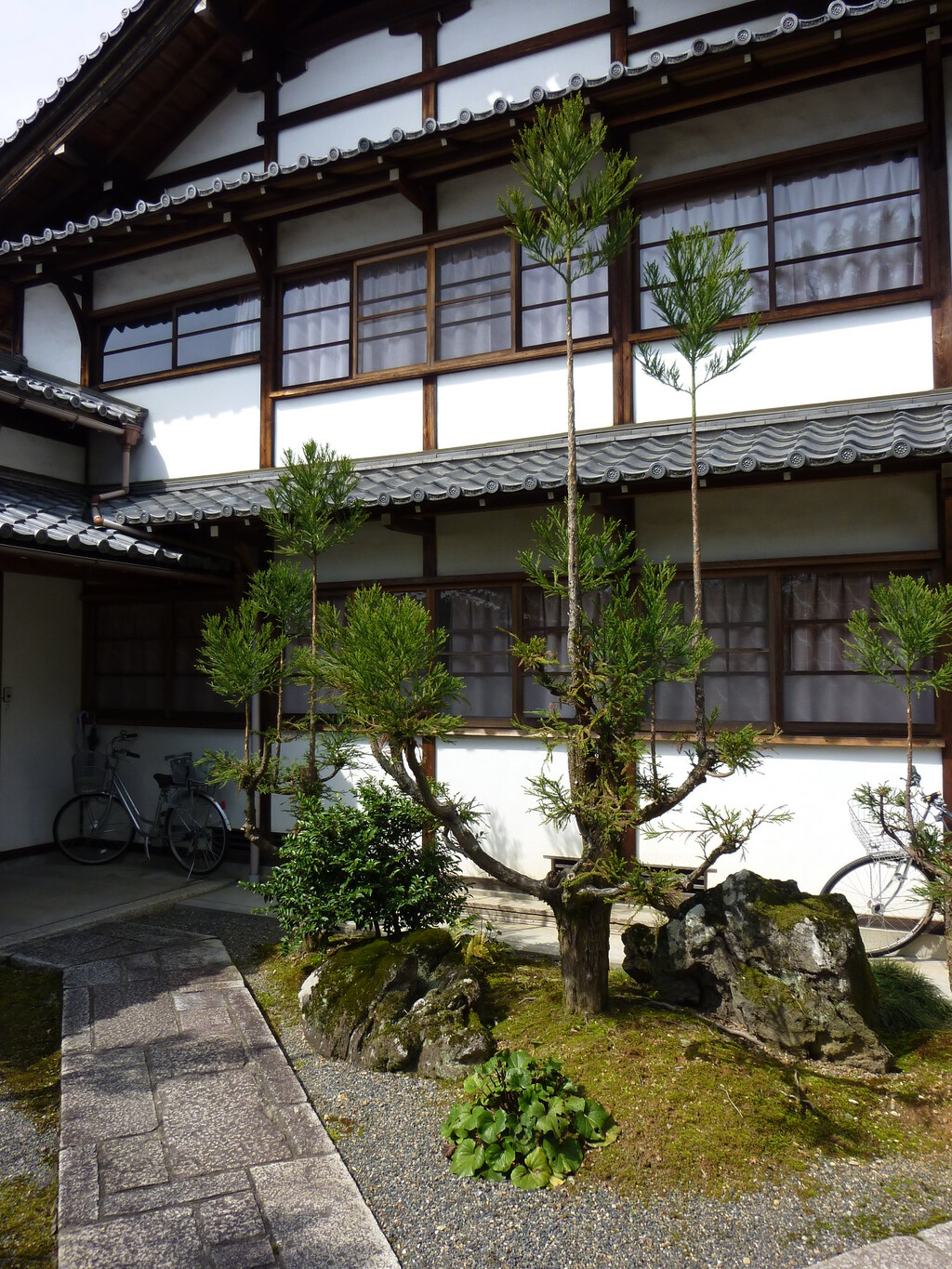
At the same time, demand for wood was rising due to the popularity of sukiya-zukuri, a refined architectural style that required straight, flawless timber. Local foresters needed a way to maximize output from limited land.
Their solution was to harvest shoots from a single tree without killing it. By carefully pruning and training, they could produce dozens of straight beams from one cedar over time.
How Does Daisugi Work?
The technique relies on the Japanese cedar, particularly the sugi (Cryptomeria japonica), a tall, fast-growing species. Instead of letting a tree grow naturally, foresters cut the main trunk at a certain height to encourage the growth of many vertical shoots.
These shoots are then pruned and trained to grow straight and knot-free. Over years, they thicken and can be harvested individually while the parent tree remains alive and continues to produce new shoots.
This method essentially turns a single tree into a renewable lumber factory. Some trees have been managed this way for centuries, yielding high-quality wood generation after generation.
Key Steps in Daisugi Cultivation
- Selection: Choose a healthy sugi tree with good growth characteristics.
- Topping: Cut the main trunk at a height of 2–3 meters to stimulate shoot growth.
- Pruning: Remove excess shoots and train the remaining ones to grow straight.
- Harvesting: Cut individual shoots when they reach the desired size, leaving the parent tree intact.
- Reiteration: The tree continues to produce new shoots, allowing repeated harvests.
Why Daisugi Matters Today
In an era of deforestation and climate change, daisugi offers a compelling model for sustainable forestry. It allows for continuous wood production without clear-cutting, preserving ecosystems and carbon sequestration.
Moreover, the wood from daisugi is highly valued for its straightness and tight grain, making it ideal for traditional Japanese architecture and high-end carpentry. The technique also reduces the need for replanting, saving time and resources. The longer history behind the story is traced in China's University Overhaul for AI Race Cuts Arts Programs.
While daisugi is labor-intensive and requires skilled craftsmanship, its principles align with modern agroforestry and regenerative practices. Some researchers are exploring how similar methods could be adapted to other species and regions. The background to this story is set out in Natural Wood Types: A Complete DIY Guide to Solid Lumber. A related thread runs through Trending: latest articles. Earlier coverage in Japan Tourist Boom: Only 17% of Japanese Hold a Passport shows how the argument developed.
Daisugi vs. Conventional Forestry
| Aspect | Daisugi | Conventional Forestry |
|---|---|---|
| Tree harvesting | Shoots harvested; tree remains alive | Whole tree felled |
| Replanting | Not needed; tree regenerates | Required after each harvest |
| Wood quality | Straight, knot-free, dense | Variable, often with knots |
| Land use | Intensive, suitable for steep slopes | Requires large areas |
| Labor | High; skilled pruning needed | Lower; mechanized |
The Future of Daisugi
As the world seeks sustainable solutions, daisugi's ancient wisdom could inspire new approaches to wood production. Its ability to produce high-quality timber without felling trees is a powerful example of harmony between human needs and nature. A closer look at the same subject appears in Data Centers Sell Waste Heat as Nearly Free Heating for Cities. Anyone following the wider picture can start with Hobonichi Techo: The Japanese Planner That Makes $46 Million a Year. The same theme surfaces in Farm Bird Numbers Rise 145% at Allerton Project, which takes a different angle.
Though not widely practiced today, daisugi remains a testament to Japanese ingenuity and a reminder that sometimes the oldest methods offer the most forward-thinking answers. Context on how this played out before sits in Nuclear Fusion: The Physics Behind the Ultimate Clean Energy Race. A companion piece, Daisugi: The Japanese Art of Growing Lumber Without Cutting Trees, approaches the same subject from another angle.
FAQ
What is daisugi?
Daisugi is a Japanese forestry technique that involves pruning a cedar tree to produce multiple straight shoots, which are harvested as lumber without cutting down the parent tree.
When was daisugi developed?
Daisugi originated in the 14th century in the Kitayama region of Japan during the Muromachi period.
What type of tree is used in daisugi?
The technique primarily uses the Japanese cedar, known as sugi (Cryptomeria japonica), which is valued for its straight growth and durable wood.
Is daisugi still practiced today?
Daisugi is rarely practiced commercially today due to its labor-intensive nature, but it is preserved as a cultural heritage and studied for its sustainable principles.
Browse the Shop
 Acacia frida deluxe solid wood bed frame |
Bedroom bench |
Bed chest drawers |
Lingerie dresser |
Frame base |
Mirror with jewelry storage |
30 Bathroom Vanity |
Memory foam queen mattress |
Mattresses for back pain |
Nightstand set of 2 |
Grand Goldman Shop |
Civil Lawyer
Deutschland Trikot WM 2026







