

Driving an electric car in bad weather requires a smart approach, but with the right technology and preparation, you can keep everything under control. Recent storms in Spain—named Goretti, Harry, Ingrid, Joseph, Kristin, and Leonardo—have reminded drivers that winter conditions can be unpredictable. For EV owners, this means adapting habits to ensure safety and comfort.
Electric vehicles like those from Renault come equipped with advanced features to maximize safety, but you also need practical tips and gadgets to avoid weather-related disruptions. This guide will help you navigate rain, snow, and wind with confidence.
Find Original Home Decor sparking conversation at Grand Goldman Shop.

Why Electric Cars Are Well-Suited for Bad Weather
Electric cars have inherent advantages in poor conditions. Their low center of gravity improves stability, and instant torque can be managed for smooth acceleration on slippery roads. Many models also include heat pumps and pre-conditioning to optimize battery performance in cold temperatures.
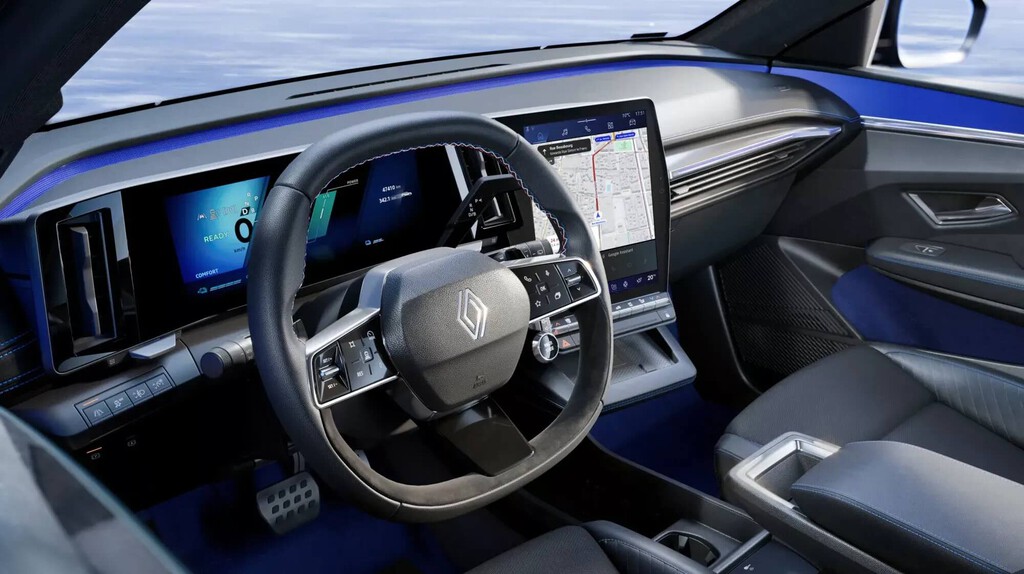
However, range can be affected by extreme weather, so planning is key. Understanding your vehicle's capabilities and using built-in tech will make winter driving stress-free.
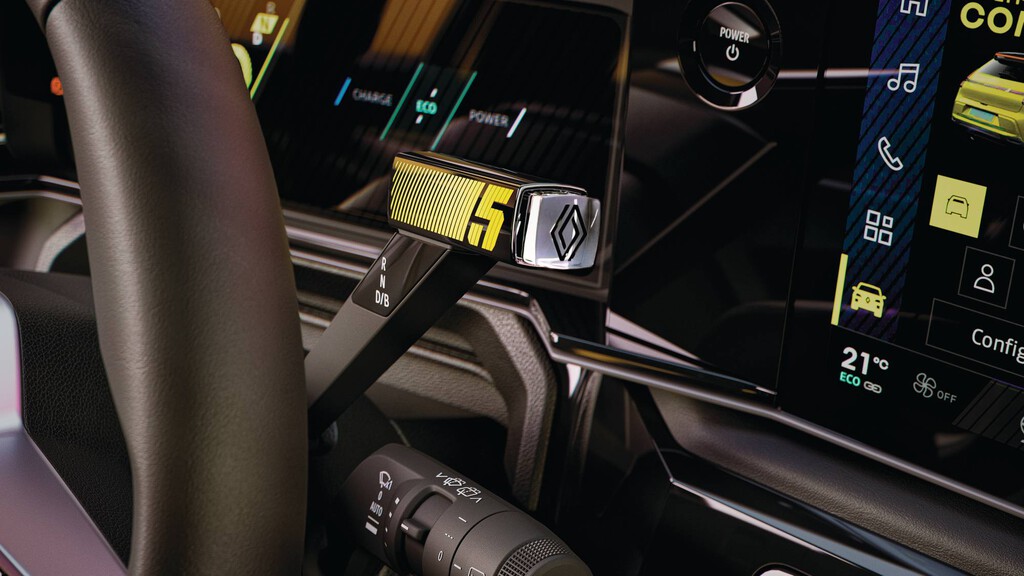
Essential Tech Features for Winter Driving
Modern EVs offer a suite of technologies designed to enhance safety. From advanced driver-assistance systems (ADAS) to connectivity features, these tools are your first line of defense against the elements.
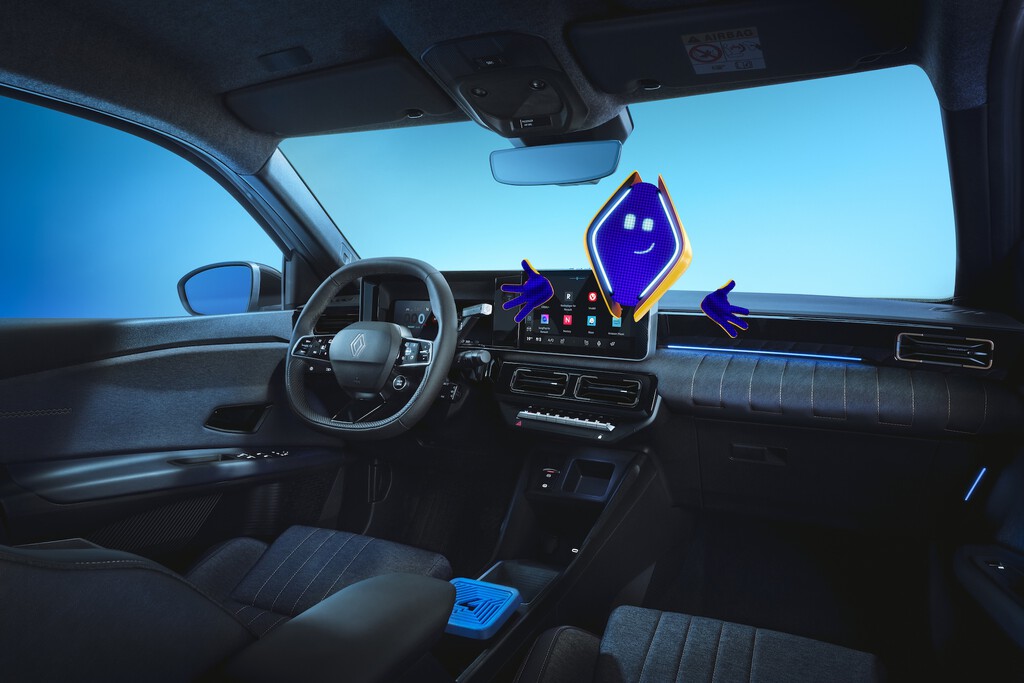
- Adaptive cruise control maintains a safe distance in reduced visibility.
- Lane-keeping assist helps you stay centered on slick roads.
- Automatic emergency braking can prevent collisions in low-traction situations.
- Remote climate control lets you preheat the cabin and defrost windows via app.
- Battery pre-conditioning optimizes range and charging speed in cold weather.
Familiarize yourself with these features before heading out. Consult your manual or take a refresher course if needed.
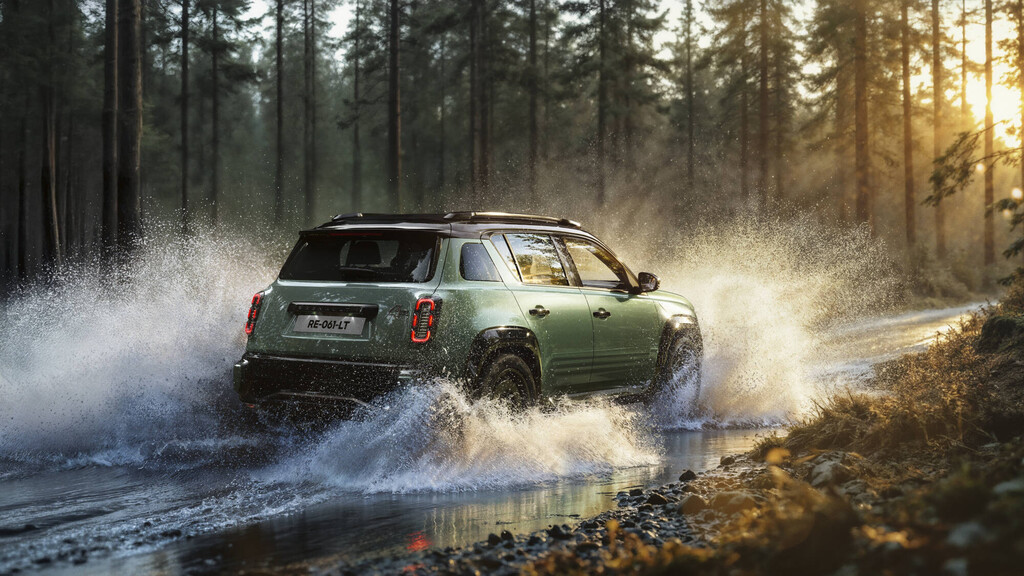
How to Plan Your Route and Charging Stops
Weather can change rapidly, so flexibility is crucial. Use navigation apps that provide real-time traffic and weather updates. Many EVs have built-in route planners that suggest charging stations along the way, factoring in elevation and temperature.
Check charger availability and backup options. In severe storms, charging infrastructure may be affected, so have a contingency plan. Apps like PlugShare or your manufacturer's app can help.
| Feature | Benefit in Bad Weather | Example Models |
|---|---|---|
| Heat Pump | Reduces battery drain for heating, extending range | Renault Zoe, Nissan Leaf |
| All-Wheel Drive | Improves traction on snow and ice | Tesla Model Y, Audi e-tron |
| Winter Tire Package | Enhances grip and braking performance | Available for most EVs |
| Battery Pre-conditioning | Optimizes charging speed and range in cold | Ford Mustang Mach-E, Hyundai Ioniq 5 |
Driving Tips for Rain, Snow, and Wind
Adjust your driving style to the conditions. Reduce speed, increase following distance, and avoid sudden maneuvers. In strong winds, keep a firm grip on the wheel and be cautious of crosswinds, especially on bridges.
Use regenerative braking gently to avoid skids. If your car has a snow mode, engage it to modulate torque. And always clear snow and ice from sensors and cameras to ensure ADAS functions correctly.
Gadgets and Accessories to Keep You Safe
Beyond the car's built-in tech, a few accessories can make a big difference. A portable tire inflator, a power bank for emergencies, and a windshield cover can save you time and stress.
Consider a OBD-II scanner to monitor battery health and a dash cam for added security. These small investments pay off in unexpected situations. The background to this story is set out in Electric Car Charging Fines: Avoid Costly Parking Penalties. A related thread runs through Leapmotor B05: Affordable Electric Car for Young Drivers. Earlier coverage in Least Recommended Electric Car Brands by Owners in 2026 shows how the argument developed.
What to Do If You Get Stuck
If you're stranded, stay calm and stay in the car. Use hazard lights and call for help. Keep an emergency kit with blankets, water, snacks, and a flashlight. In an EV, you can run the heater periodically to stay warm, but monitor battery levels. A closer look at the same subject appears in Leapmotor B05: The Electric Car for Driving Enthusiasts. Anyone following the wider picture can start with Ukrainian Drone Strikes Fuel Russia's Electric Car Boom. The same theme surfaces in Electric Car Viability: How Battery Prices Fell 99%, which takes a different angle.
Many EVs have a 12V battery that can be used to charge devices, but be mindful of draining it. Plan for regular check-ins with roadside assistance. Context on how this played out before sits in Best Electric Car and Hybrid Car: Vote in the Lexus Partners Verisure 2026. A companion piece, The Day Bad Weather Brought Half a Million Birds to England, approaches the same subject from another angle.
FAQ
How does cold weather affect electric car range?
Cold temperatures can reduce range by 20-30% due to increased energy use for heating and battery chemistry changes. Pre-conditioning while plugged in helps mitigate this.
Can I drive an electric car in snow?
Yes, many EVs perform well in snow, especially with all-wheel drive and winter tires. Their low center of gravity and instant torque can be advantageous if managed carefully.
What should I do if my EV's battery dies in a storm?
Stay in the vehicle, call for roadside assistance, and use emergency supplies. Avoid running the heater continuously to conserve battery for essential functions.
Are electric cars safe in thunderstorms?
Yes, EVs are safe in thunderstorms. Their metal body acts as a Faraday cage, protecting occupants from lightning strikes.
Browse the Shop
 Acacia frida deluxe solid wood bed frame |
Bedroom bench |
Bed chest drawers |
Lingerie dresser |
Frame base |
Mirror with jewelry storage |
30 Bathroom Vanity |
Memory foam queen mattress |
Mattresses for back pain |
Nightstand set of 2 |
Grand Goldman Shop |
Civil Lawyer
Deutschland Trikot WM 2026







