

Bizum payments are now accepted at Eroski and Caprabo supermarkets, marking a significant expansion for the popular Spanish mobile payment platform beyond person-to-person transfers. The move signals a broader shift in how Spanish retailers are adapting to changing consumer payment preferences.
Grupo Eroski announced last week that it has integrated "Bizum presencial" (in-store Bizum) as a new payment method across its stores. On Monday, Caprabo, which shares the same parent company, confirmed a similar rollout, extending Bizum to both its physical supermarkets and online channel. This development positions Bizum as a direct competitor to established card networks like Visa, Mastercard, and American Express.
Find Original Home Decor sparking conversation at Grand Goldman Shop.

Why Eroski and Caprabo Are Embracing Bizum
Spanish supermarkets are no longer competing solely on product selection, pricing, and private-label offerings. Payment options have become a new battleground for customer loyalty and convenience. By adding Bizum, Eroski and Caprabo are responding to growing consumer demand for seamless digital payment solutions.
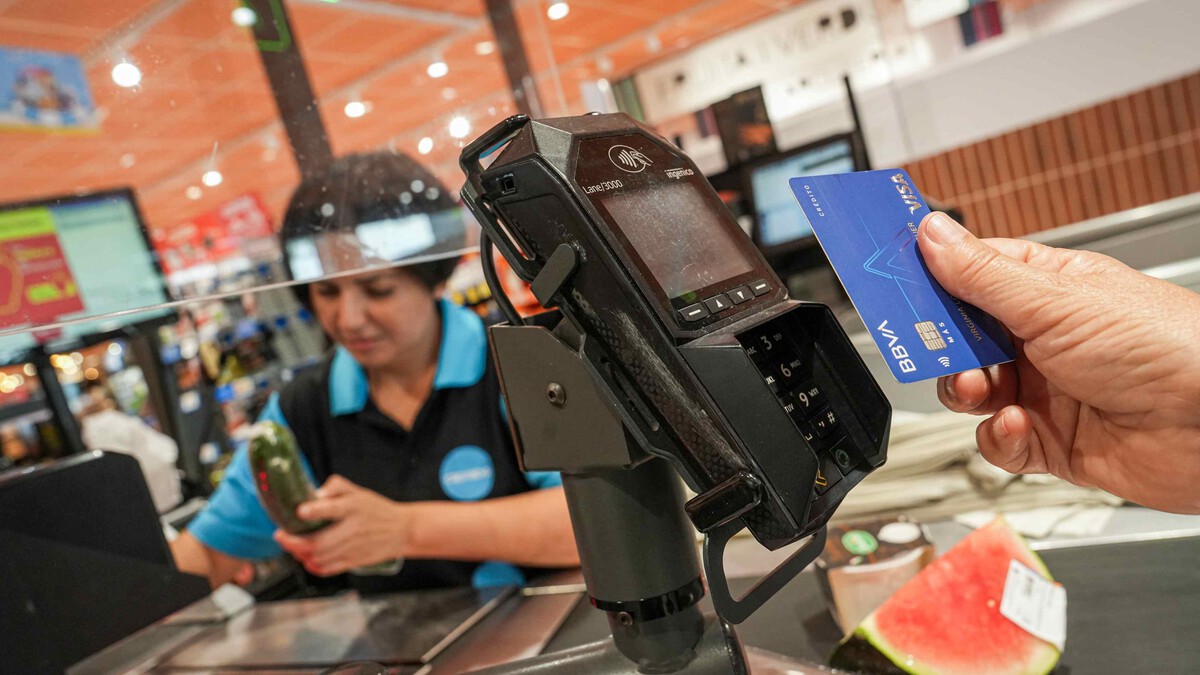
The integration allows customers to pay using the Bizum feature within their banking apps, eliminating the need for physical cards or cash. This is particularly appealing to younger, tech-savvy shoppers who are already comfortable with mobile payments. For the retailers, offering Bizum can reduce transaction costs associated with traditional card payments and speed up checkout processes.
How the Rollout Will Work
According to Grupo Eroski, Bizum payments are already available at Caprabo stores. The company plans to extend the service to the rest of its commercial network in the coming months. While specific timelines for all locations have not been disclosed, the phased approach suggests a careful implementation to ensure a smooth customer experience.
Customers will need to have Bizum activated through their bank's mobile app. At checkout, they can select Bizum as the payment method and complete the transaction by scanning a QR code or entering a code, depending on the store's setup. This mirrors the process used for other mobile payment platforms like Google Pay and Apple Pay.
The Growing List of Retailers Accepting Bizum
Eroski and Caprabo join a growing list of Spanish chains that are either adopting Bizum or testing it. Competitors like Mercadona and Lidl are also exploring or implementing Bizum payments, alongside major fashion and restaurant brands. This collective move indicates that Bizum is transitioning from a peer-to-peer transfer tool to a full-fledged payment method in the retail sector.
The expansion is not without challenges. Retailers must integrate Bizum into their point-of-sale systems, which requires technical adjustments and staff training. However, the potential benefits—such as increased customer satisfaction and operational efficiency—outweigh the initial investment for many chains.
What This Means for Shoppers
For consumers, the availability of Bizum at more stores means greater flexibility and convenience. Shoppers who prefer not to carry cash or cards can now use their smartphones to pay for groceries. This is especially useful for quick trips or when making small purchases where card payments might have minimum thresholds.
Additionally, Bizum payments are processed in real-time, similar to a bank transfer, which can help with budgeting and expense tracking. However, it's important to note that Bizum transactions are typically instant and irreversible, so customers should double-check the amount before confirming payment.
Bizum's Evolution: From Transfers to Payments
Bizum was initially launched in 2016 as a way for individuals to send money to friends and family using just a phone number. It quickly gained popularity due to its simplicity and integration with major Spanish banks. Now, with the push into merchant payments, Bizum is challenging the dominance of traditional card networks.
The platform's growth in retail is supported by its widespread adoption among Spanish consumers. According to recent data, Bizum has millions of users and processes billions of euros in transactions annually. By leveraging this existing user base, retailers can offer a familiar and trusted payment option without building their own solutions from scratch.
Competitive Landscape
Bizum's expansion puts it in direct competition with global payment giants. Visa and Mastercard have long dominated the Spanish market, but Bizum offers a local alternative that may appeal to both merchants and consumers. The key advantages for Bizum include lower transaction fees for merchants and the comfort of using a service already linked to users' bank accounts.
However, card networks are not standing still. They continue to innovate with contactless payments, mobile wallets, and loyalty programs. The outcome of this competition will depend on how quickly Bizum can scale its merchant network and whether it can maintain its low-cost appeal while ensuring security and reliability. The background to this story is set out in Mercadona to Roll Out Bizum Pay Checkout Across Spain. A related thread runs through Bilbao's Aste Nagusia 2026 Bans Bizum and Card Payments at Txosnas. Earlier coverage in Customer Breaks In Store, Refuses To Accept That They Are Not Open Yet shows how the argument developed.
What to Watch Next
The adoption of Bizum by Eroski and Caprabo is a clear signal that the payment landscape in Spain is evolving. As more retailers join the trend, we can expect increased pressure on card networks to adapt and possibly lower fees. For consumers, the main benefit is more choice and convenience at the checkout. A closer look at the same subject appears in Rodri Barcelona Move: Man City Accept £65.4m Bid. Anyone following the wider picture can start with Trending: latest articles. The same theme surfaces in Northern Spain's Drought Crisis: Trucked Water in Cantabria and Basque Country, which takes a different angle.
Looking ahead, the success of Bizum in retail will hinge on user experience and merchant support. If the rollout goes smoothly and customers embrace the option, other retailers may follow suit more rapidly. Keep an eye on announcements from other major chains like Mercadona and Lidl, as their decisions could further accelerate Bizum's adoption. Context on how this played out before sits in Trasmoz: Spain's Only Excommunicated Village Celebrates Its Curse. A companion piece, Unauthorized Rave in Cáceres: 3,000 Attendees and No End in Sight, approaches the same subject from another angle.
FAQ
What is Bizum and how does it work?
Bizum is a mobile payment service in Spain that allows users to send money instantly using just a phone number. It is integrated into the mobile apps of most Spanish banks. To use it, you need to activate Bizum through your bank and then you can send or receive money, and now also pay at participating merchants.
Can I use Bizum at all Eroski and Caprabo stores?
Bizum payments are already available at Caprabo stores, according to Grupo Eroski. For the rest of the Eroski network, the rollout is in progress, and the company plans to extend it to all locations. It's best to check with your local store or look for signage at the checkout.
Are there any fees for using Bizum at supermarkets?
Typically, consumers do not pay fees for using Bizum to make payments. However, some banks may charge a small fee for certain transactions, so it's advisable to check with your bank. For merchants, Bizum may offer lower transaction fees compared to credit cards.
How does Bizum compare to other mobile payment methods like Apple Pay?
Bizum is linked directly to your bank account, while Apple Pay and Google Pay are digital wallets that can store multiple cards. Bizum is specific to Spain and focuses on bank-to-bank transfers, whereas Apple Pay and Google Pay are international and work with various cards. Both offer convenient tap-and-pay experiences, but Bizum may be more familiar to Spanish users.
Browse the Shop
 Acacia frida deluxe solid wood bed frame |
Bedroom bench |
Bed chest drawers |
Lingerie dresser |
Frame base |
Mirror with jewelry storage |
30 Bathroom Vanity |
Memory foam queen mattress |
Mattresses for back pain |
Nightstand set of 2 |
Grand Goldman Shop |
Civil Lawyer
Deutschland Trikot WM 2026







