

Mount Everest's Khumbu Glacier is melting faster than ever, and the 6,000 liters of urine produced daily at Base Camp are accelerating the thaw, according to new research. The study, published in Regional Environmental Change, quantifies an unexpected factor in the glacier's decline: human waste.
For decades, scientists have known that global warming is causing Everest's ice to retreat. But the new research highlights how the seasonal influx of thousands of climbers, sherpas, guides, and support staff creates a small city on the ice each spring, generating heat that contributes to melting.
Find Original Home Decor sparking conversation at Grand Goldman Shop.

Everest Base Camp: A Temporary City on the Ice
Each spring, for about seven weeks, Everest Base Camp transforms into a bustling settlement. Thousands of people gather directly on the Khumbu Glacier, setting up tents, cooking facilities, and heating systems. This concentration of human activity releases significant amounts of thermal energy onto the ice.
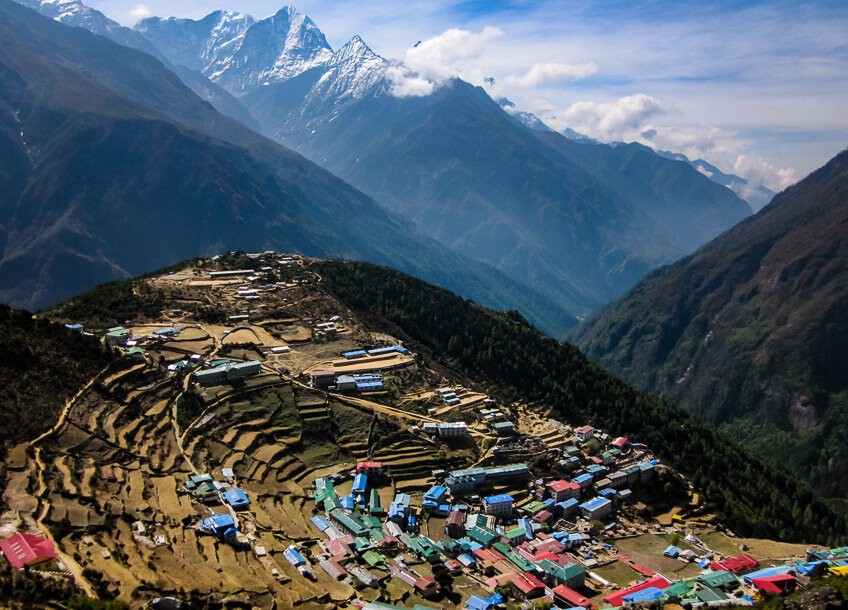
Researchers calculated that the urine alone—over 6,000 liters per day—carries enough thermal energy to theoretically melt about 154 tons of ice and snow over a season. While this may seem small compared to the scale of the glacier, it is a tangible and growing impact that compounds the effects of climate change.
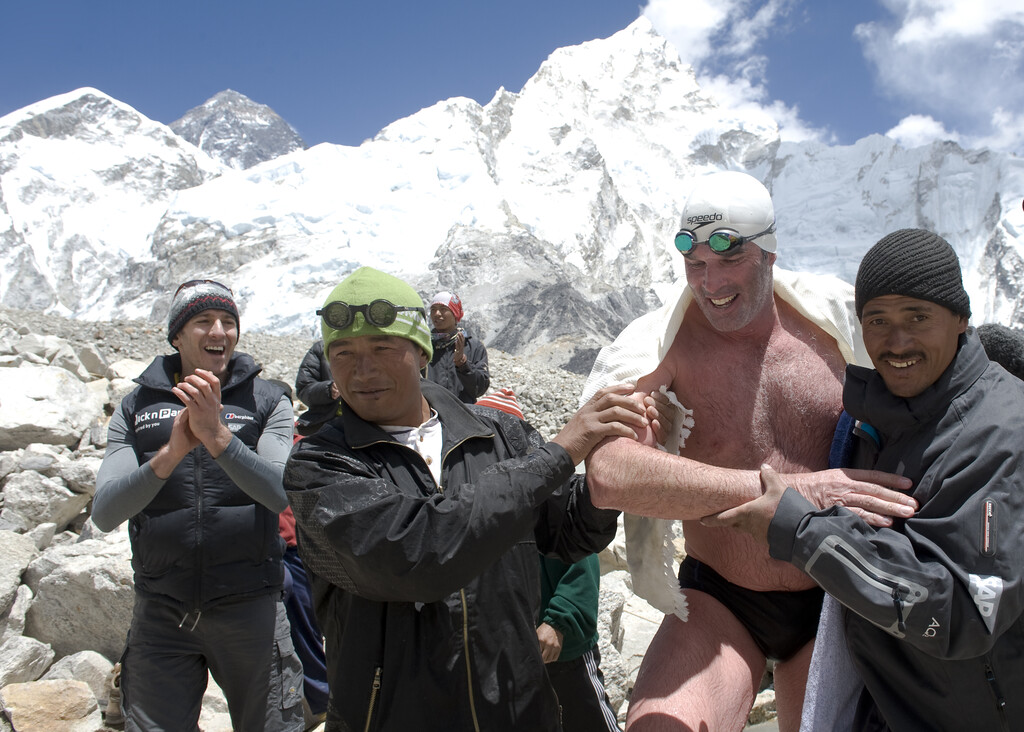
The problem is not just urine. The burning of fuels for cooking and heating, the body heat of thousands of people, and the physical infrastructure of the camp all contribute to warming the glacier surface. As the camp has grown in size and comfort over the years, so has its environmental footprint.
Why the Melting Matters
The Khumbu Glacier is not just a frozen landscape; it is a critical water source for millions of people downstream. As it melts, it feeds rivers that supply drinking water, irrigation, and hydropower for communities in Nepal and beyond. Accelerated melting can lead to water shortages in the dry season and increase the risk of glacial lake outburst floods.
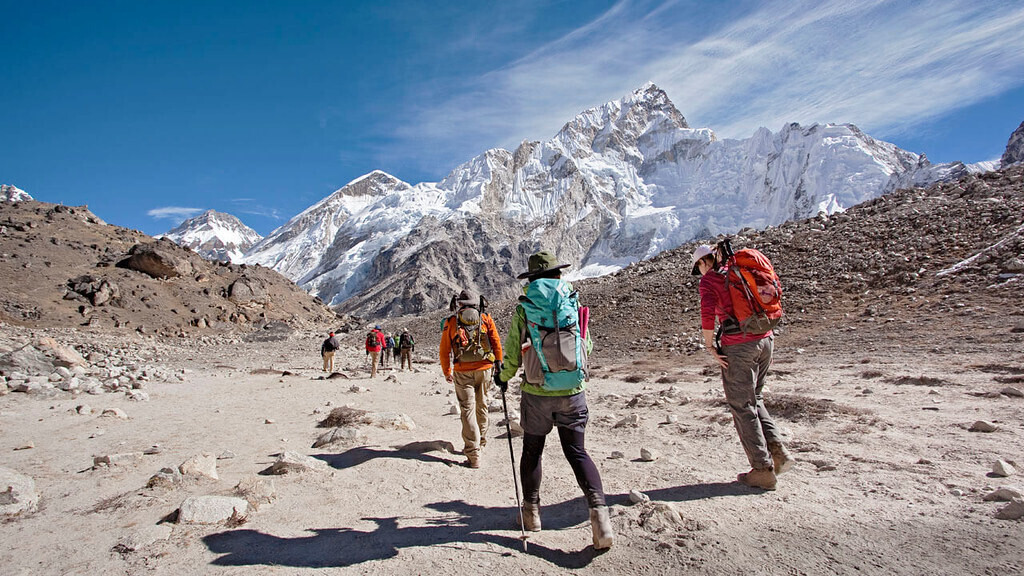
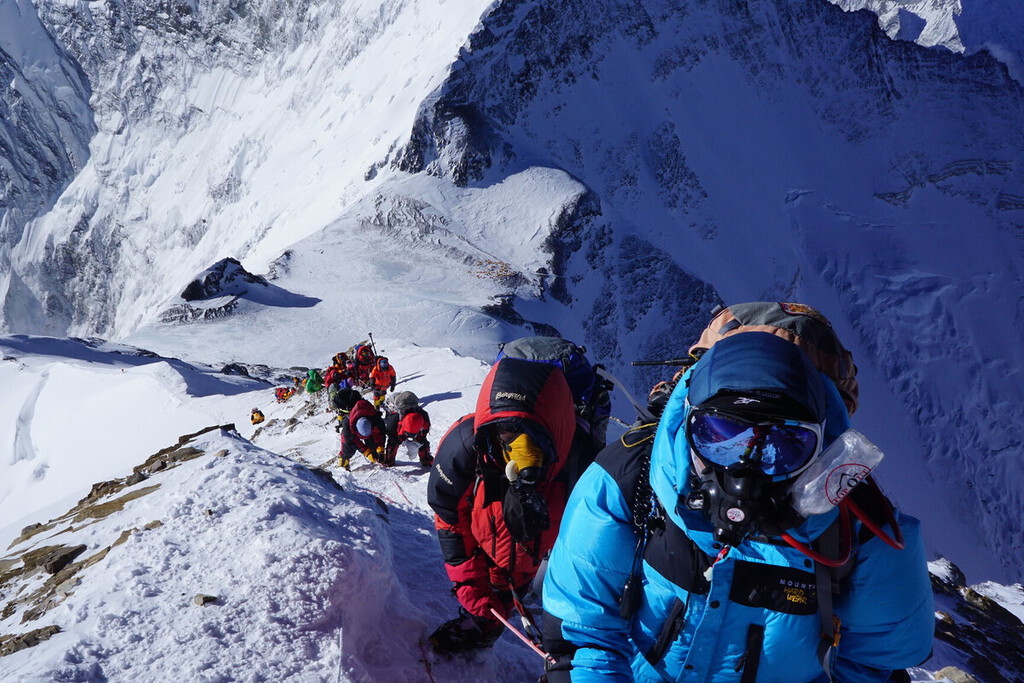
Moreover, the glacier's retreat makes climbing routes more dangerous. The icefall, a treacherous section of the climb, becomes more unstable as the ice melts, putting climbers and guides at greater risk. The economic impact on the local tourism industry, which relies heavily on Everest expeditions, could be severe.
The study's authors emphasize that while the urine's contribution is relatively small, it is symbolic of the broader issue of overcrowding and its environmental consequences. The sheer number of people on the mountain is amplifying a problem that already exists due to climate change.
Key Takeaways from the Research
- Over 6,000 liters of urine are produced daily at Everest Base Camp during peak season.
- This urine releases enough thermal energy to melt approximately 154 tons of ice and snow per season.
- Human activity—including fuel burning and body heat—adds to the melting caused by global warming.
- The Khumbu Glacier is a vital water source for millions, and its accelerated melting poses risks.
- Overcrowding on Everest is exacerbating environmental pressures on the fragile alpine ecosystem.
Comparing the Factors: Natural vs. Human Impact
To understand the scale of the problem, it helps to compare the different contributors to glacier melt. The table below summarizes the estimated impact of various factors based on the study and general scientific knowledge.
| Factor | Estimated Contribution to Melting | Notes |
|---|---|---|
| Global warming | Primary driver | Long-term temperature rise due to greenhouse gases |
| Urine (6,000 L/day) | ~154 tons of ice per season | Theoretical maximum; based on thermal energy content |
| Fuel burning (cooking, heating) | Significant but unquantified | Releases heat and black carbon onto the glacier |
| Body heat (thousands of people) | Minor but cumulative | Depends on population size and duration |
| Physical infrastructure (tents, etc.) | Localized effect | Alters albedo and heat absorption |
What This Means for the Future of Everest
The study raises important questions about the sustainability of Everest expeditions. As the glacier continues to thin, the stability of the Base Camp site itself could be compromised. Already, some areas of the glacier are becoming more hazardous, and the icefall is shifting. The background to this story is set out in Swiss Glaciers Shrink 20% in Five Years: Alarming Melt Rates. A related thread runs through Climate Change Rhyme: Rising Temperatures & Emission Urgency. Earlier coverage in Climate Change and Geological Disasters: The Cryosphere Warning shows how the argument developed.
There are ongoing efforts to manage waste on Everest, including a rule requiring climbers to bring back their own feces. However, urine remains largely unregulated. The researchers suggest that better waste management systems, such as collection and treatment, could help reduce the human impact on the glacier. A closer look at the same subject appears in Climate Change Rhyme: Rising Temperatures and Emission Cuts. Anyone following the wider picture can start with Great Barrier Reef Recovery Doesn't Disprove Climate Change. The same theme surfaces in Glacier Melt Reveals Hiker's Backpack After 60 Years in Austria, which takes a different angle.
Additionally, limiting the number of climbers and improving infrastructure to minimize heat release could be part of the solution. But ultimately, the biggest lever is addressing climate change itself. Without significant reductions in greenhouse gas emissions, the Everest we know may continue to shrink. Context on how this played out before sits in Wool Blankets on Swiss Glacier Cut Melt by Half, Study Finds. A companion piece, Climate Solutions: Global Transformation Ideas for Positive Change, approaches the same subject from another angle.
FAQ
How does urine melt the glacier?
Urine carries thermal energy from the human body, which is warmer than the ice. When large volumes are deposited on the glacier, that heat is transferred to the ice, causing it to melt. The study calculated that the daily 6,000 liters of urine at Base Camp could theoretically melt about 154 tons of ice over a season.
Is urine the main cause of Everest's melting?
No, global warming is the primary driver of glacier melt. However, the study highlights that human activities at Base Camp, including urine, fuel burning, and body heat, are additional factors that compound the problem. The urine's impact is relatively small but symbolic of the broader issue of overcrowding.
What are the consequences of the Khumbu Glacier melting?
The Khumbu Glacier provides water for millions of people downstream. Its accelerated melting can lead to water shortages, increased risk of glacial lake outburst floods, and more dangerous climbing conditions. It also threatens the local tourism industry that depends on Everest expeditions.
Can anything be done to reduce the human impact?
Yes, better waste management systems, such as collecting and treating urine, could help. Limiting the number of climbers and improving infrastructure to reduce heat release are also options. However, addressing climate change through emission reductions is the most critical long-term solution.
Browse the Shop
 Acacia frida deluxe solid wood bed frame |
Bedroom bench |
Bed chest drawers |
Lingerie dresser |
Frame base |
Mirror with jewelry storage |
30 Bathroom Vanity |
Memory foam queen mattress |
Mattresses for back pain |
Nightstand set of 2 |
Grand Goldman Shop |
Civil Lawyer
Deutschland Trikot WM 2026







