

The race for sixth-generation fighter dominance has intensified as the United States announces its F-47, while China has already flown two tailless prototypes. This competition shapes the future of air combat and global military balance.
Washington has named Boeing’s F-47 as its answer to the next generation of aerial warfare, with a planned first flight in 2028. The US Air Force boldly claims it will be the world’s first sixth-generation fighter. But China’s recent test flights suggest the race is far from decided.
Find Original Home Decor sparking conversation at Grand Goldman Shop.

What Is the F-47 and Why Does It Matter?
The F-47 is Boeing’s proposed sixth-generation fighter, developed under the Next Generation Air Dominance (NGAD) program. In March 2025, Boeing received a contract worth approximately $20 billion to develop the aircraft. The goal is to achieve first flight by 2028 and eventually acquire at least 185 units.
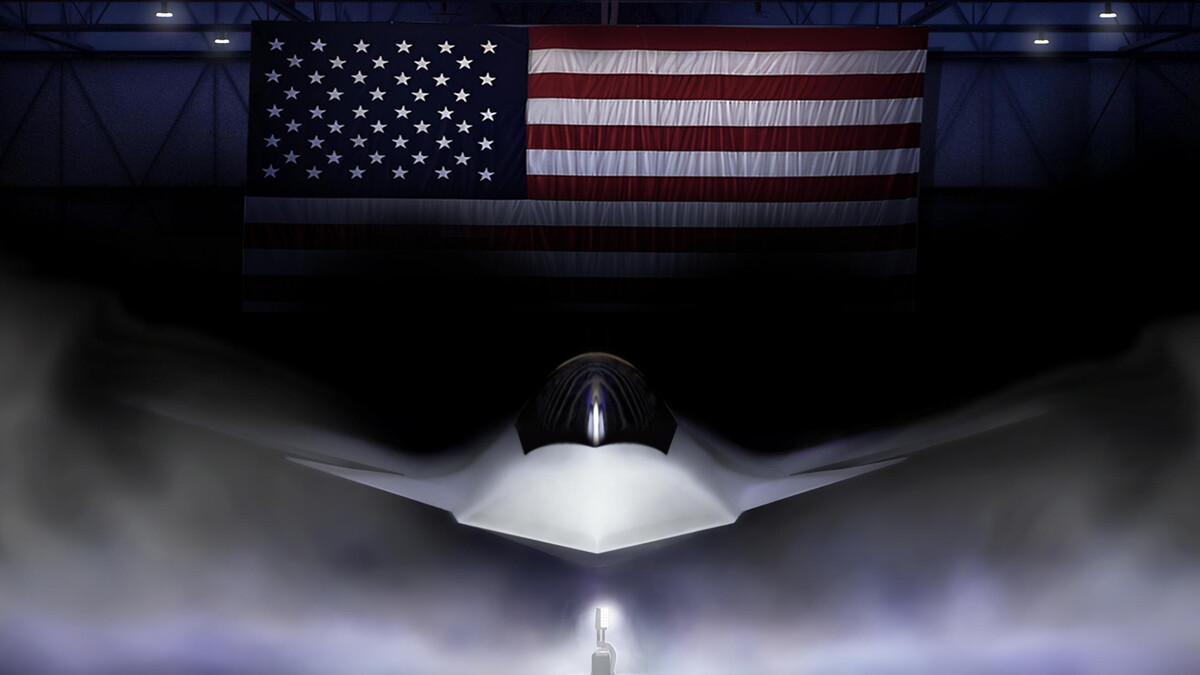
This fighter is designed to be the manned core of a broader system, working alongside autonomous drones. The US Air Force envisions a networked family of systems where the F-47 coordinates with unmanned platforms to dominate future air battles.

Brigadier General Timothy Helfrich, responsible for fighter and advanced aircraft acquisitions, stated plainly that the F-47 will be “the world’s first sixth-generation fighter.” This proclamation underscores the high stakes and national pride involved.
China’s Response: Two Mysterious Tailless Jets
China has responded with actions rather than words. Since December 2024, images have emerged of two radically different Chinese aircraft. One, from Chengdu, is unofficially known as the J-36. The other appeared near Shenyang facilities. Both feature tailless designs, a hallmark of stealth and advanced aerodynamics.
These prototypes suggest China is actively testing sixth-generation technologies. The tailless configuration reduces radar cross-section and improves maneuverability, critical for surviving in contested airspace. Their existence challenges the US claim of being first.
While details remain scarce, the flights indicate China’s intent to field its own sixth-generation capabilities sooner rather than later. This development puts pressure on the US timeline and raises questions about technological leadership.
Key Differences Between US and Chinese Approaches
The US F-47 emphasizes manned-unmanned teaming, with the fighter as a command node for drones. China’s prototypes, while less documented, appear to focus on stealth and aerodynamic innovation. Both aim for superior survivability and lethality.
However, the US has publicly committed to a 2028 first flight, while China’s test flights are already underway. This gap could give China a head start in operational experience, even if the US eventually fields a more capable system.
- F-47 is Boeing’s manned sixth-gen fighter, central to NGAD, with first flight planned for 2028.
- China has already flown two tailless prototypes, the J-36 and another from Shenyang, since December 2024.
- The US plans to procure at least 185 F-47s, integrating them with autonomous drones.
- China’s prototypes emphasize stealth and tailless design, signaling advanced aerodynamic research.
- The race is not just about technology but also about perception and strategic messaging.
Comparison of Sixth-Generation Fighter Programs
| Feature | US F-47 | China’s Prototypes |
|---|---|---|
| Manufacturer | Boeing | Chengdu and Shenyang |
| First Flight | Planned 2028 | Already flying (as of Dec 2024) |
| Design | Manned with drone teaming | Tailless, likely stealth-focused |
| Procurement Goal | At least 185 units | Unknown |
| Contract Value | ~$20 billion (development) | Not disclosed |
Why This Race Matters for Global Security
The outcome of this competition will shape air power for decades. Sixth-generation fighters promise enhanced stealth, AI integration, and networked operations. Whichever nation fields them first gains a significant strategic advantage.
For the US, maintaining air dominance is a core pillar of its military strategy. China’s rapid progress signals its ambition to challenge that dominance, particularly in the Indo-Pacific. The F-47 program is thus not just about technology but about preserving geopolitical standing.
Moreover, the perception of leadership matters. If China demonstrates operational sixth-generation capabilities before the US, it could undermine US credibility and influence allies’ decisions on defense procurement. The background to this story is set out in Boeing 737 Max Fuselage Cracks: FAA Orders Inspections on 471. A related thread runs through Trending: latest articles. Earlier coverage in China Expands Military Air Base on Former CIA Secret Airstrip in Laos shows how the argument developed.
What to Watch Next
Keep an eye on the F-47’s development milestones, especially the 2028 first flight target. Any delays could widen China’s lead. Meanwhile, watch for more details on China’s prototypes, including their capabilities and production plans. A closer look at the same subject appears in Russia's Remote-Controlled Terminator: T-72 Tank With Twin Autocannons. Anyone following the wider picture can start with Hoy No Circula Saturday: Which Cars Can Drive on October 10. The same theme surfaces in Disabled Air Passengers Gain Better Safeguards from UK Government, which takes a different angle.
Also, monitor how the US integrates autonomous drones with the F-47. Successful teaming could offset China’s early flight advantage. Finally, observe international reactions, as allies may adjust their own fighter programs in response. Context on how this played out before sits in Russia Drone Attacks on Kyiv Kill 12 in Sixth Night Strike. A companion piece, Larry Ellison Buys Entire Florida Neighborhood for Employees, approaches the same subject from another angle.
FAQ
What is the F-47?
The F-47 is Boeing’s proposed sixth-generation fighter for the US Air Force, part of the NGAD program. It is designed to be a manned aircraft that coordinates with autonomous drones, with a planned first flight in 2028.
Has China already flown a sixth-generation fighter?
Yes, since December 2024, two tailless Chinese prototypes have been photographed in flight. One is unofficially called the J-36 from Chengdu, and another appeared near Shenyang. These flights indicate China is actively testing sixth-generation technologies.
Why does the F-47 matter for the US military?
The F-47 is central to maintaining US air superiority. It represents a $20 billion investment and a plan to acquire at least 185 aircraft. Its success is crucial for deterrence and for keeping pace with China’s advancements.
What are the key features of sixth-generation fighters?
Sixth-generation fighters typically feature advanced stealth, tailless designs, AI integration, and networked operations with drones. They aim for superior survivability, lethality, and situational awareness compared to fifth-generation fighters like the F-35.
Browse the Shop
 Acacia frida deluxe solid wood bed frame |
Bedroom bench |
Bed chest drawers |
Lingerie dresser |
Frame base |
Mirror with jewelry storage |
30 Bathroom Vanity |
Memory foam queen mattress |
Mattresses for back pain |
Nightstand set of 2 |
Grand Goldman Shop |
Civil Lawyer
Deutschland Trikot WM 2026







