

Germany has taken a historic step by presenting its first comprehensive military strategy since World War II, a 35-page document that openly acknowledges the irreversible changes in Europe's security environment. This marks a dramatic shift for a country that has long been reluctant to embrace military leadership.
Why Germany's New Military Strategy Matters
For decades, Germany avoided any gesture that could evoke its militaristic past. Even discussing a national strategy was politically uncomfortable. The legacy of World War II, which began with Nazi Germany's invasion of Poland on September 1, 1939, cast a long shadow over how the country viewed the use of force. Now, that silence is breaking—but in a radically different context.
Find Original Home Decor sparking conversation at Grand Goldman Shop.

The new strategy, as reported, assumes that the European security environment has changed irreversibly. It signals a shift from Germany's traditional restrained role within NATO to a more active and defining one. For the first time since WWII, Germany is not just talking about contributing but about leading.
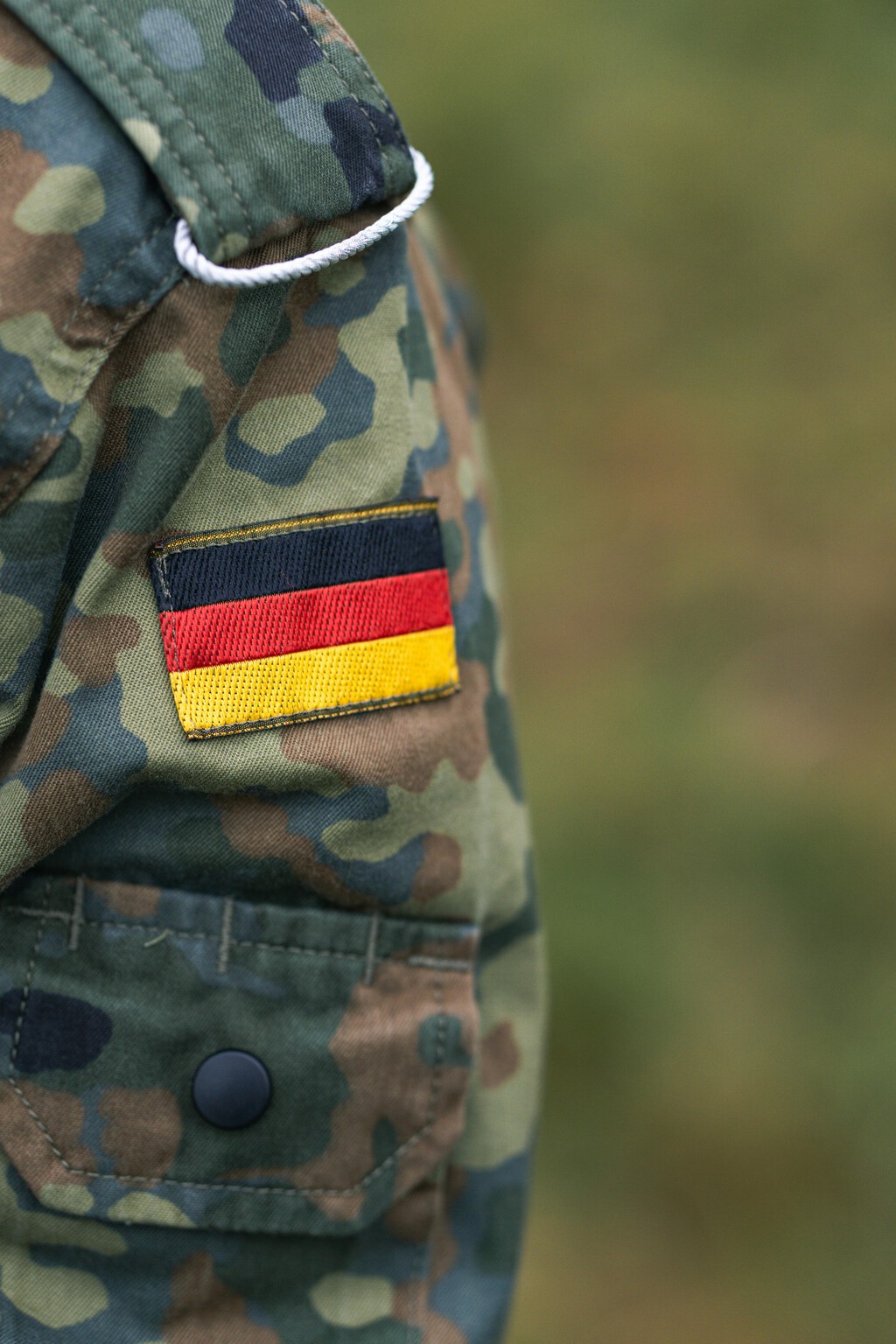
The Catalyst: Ukraine and the Shift in German Thinking
Russia's invasion of Ukraine acted as a catalyst for a profound change in German mentality. The war forced Berlin to confront the reality that Europe's security order had been shattered. Germany's response—including increased defense spending and weapons deliveries to Ukraine—marked a turning point.
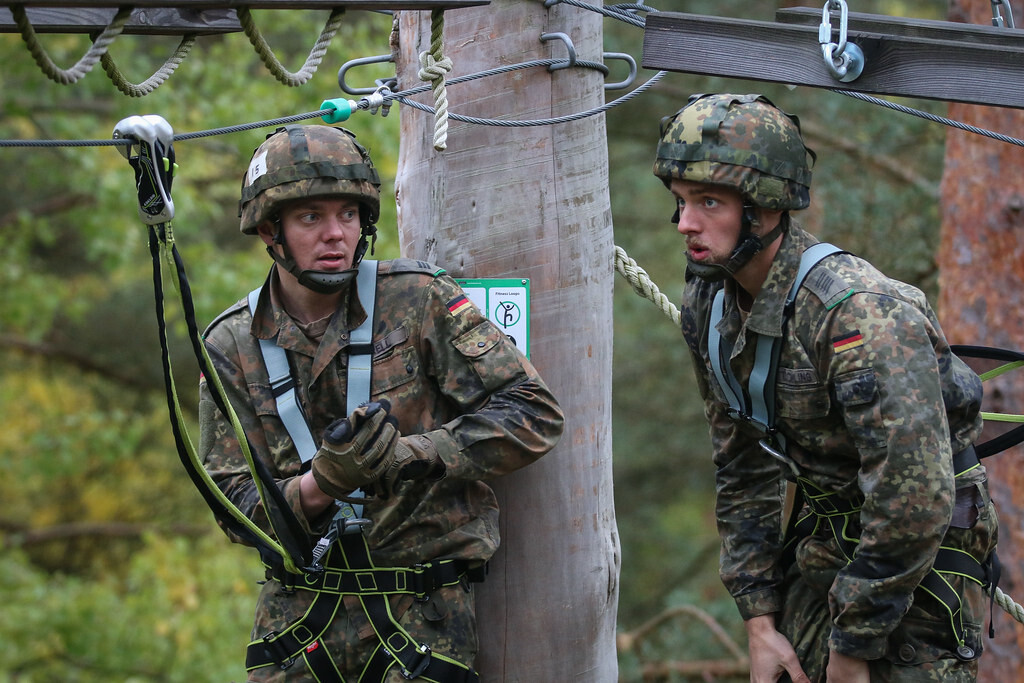
The new strategy builds on this shift, acknowledging that Germany must play a more assertive role in European defense. It also reflects a growing consensus that Europe can no longer rely solely on the United States for its security.
Less Washington, More Europe?
While official rhetoric still calls the United States an indispensable pillar, the strategy's core points in another direction: Europe must learn to sustain its own defense. This does not mean abandoning NATO or transatlantic ties, but it does imply a more balanced partnership.
Germany's new approach could lead to greater European defense integration, with Germany at the helm. However, this shift will require not only political will but also significant resources—including troops.
Thousands of Soldiers Needed
Implementing this strategy will require a substantial increase in military personnel. Germany's Bundeswehr has long suffered from underfunding and recruitment shortfalls. The new plan reportedly calls for thousands of additional soldiers to meet its objectives.
This raises questions about recruitment, retention, and public acceptance. Germany abolished compulsory military service in 2011, and attracting enough volunteers may prove challenging. The government may need to consider incentives or even a return to some form of national service. The background to this story is set out in Europe's War Readiness and NATO Defense Challenges. A related thread runs through Spain Shocks NATO: Leads 2025 Military Spending Surge. Earlier coverage in NATO Defends Territory After Russian Missile Hits Poland shows how the argument developed.
Key Takeaways from Germany's New Military Strategy
- Historic shift: Germany presents its first comprehensive military strategy since WWII, breaking decades of strategic caution.
- Ukraine as catalyst: The war in Ukraine accelerated Germany's rethink of its security role.
- Leadership role: Germany aims to move from a restrained NATO contributor to a leading force in European defense.
- Transatlantic balance: While the US remains indispensable, Europe is urged to take more responsibility for its own security.
- Troop challenge: Thousands of additional soldiers are needed, posing recruitment and retention hurdles.
Comparing Germany's Defense Evolution
| Aspect | Pre-2022 | Post-2022 (New Strategy) |
|---|---|---|
| Defense spending | Below NATO target | Increased to meet 2% target |
| Role in NATO | Restrained contributor | Active leader in European defense |
| Military strategy | No comprehensive strategy | First since WWII |
| Troop numbers | ~180,000 (under strength) | Plans to add thousands |
| Public attitude | Pacifist leanings | Growing acceptance of military role |
What to Watch Next
The success of Germany's strategy will depend on funding, recruitment, and political consensus. The coming months will reveal whether Berlin can turn its ambitious plans into reality. Key indicators include defense budget approvals, recruitment campaigns, and the reaction of NATO allies. A closer look at the same subject appears in Russia Missile Violates Polish Airspace: NATO Response and EU. Anyone following the wider picture can start with Ukraine NATO Membership Impossible, Says Ex-Military Chief. The same theme surfaces in Ukraine War Briefing: No NATO Membership for Kyiv, Says, which takes a different angle.
Germany's move also has implications for the broader European security architecture. If Germany succeeds in building a more capable military, it could inspire other European countries to follow suit. Conversely, failure could undermine confidence in Europe's ability to defend itself. Context on how this played out before sits in UK Outlier in Europe for Politicians Presenting TV Shows. A companion piece, Ireland's Unprotected Ocean: Europe's Defense Weak Link?, approaches the same subject from another angle.
FAQ
What is Germany's new military strategy?
It is Germany's first comprehensive military strategy since World War II, a 35-page document that outlines a more active and leading role for Germany in European defense, acknowledging the changed security environment.
Why did Germany change its approach?
The invasion of Ukraine acted as a catalyst, forcing Germany to reassess its security posture. The war highlighted the need for Europe to take greater responsibility for its own defense.
How many soldiers does Germany need?
The strategy reportedly calls for thousands of additional soldiers to fulfill its objectives, though exact numbers are not specified. This poses recruitment challenges given Germany's volunteer military.
Does this mean Germany is abandoning NATO?
No. The strategy still considers the United States and NATO indispensable, but it emphasizes a more balanced partnership and a stronger European pillar within the alliance.
Browse the Shop
 Acacia frida deluxe solid wood bed frame |
Bedroom bench |
Bed chest drawers |
Lingerie dresser |
Frame base |
Mirror with jewelry storage |
30 Bathroom Vanity |
Memory foam queen mattress |
Mattresses for back pain |
Nightstand set of 2 |
Grand Goldman Shop |
Civil Lawyer
Deutschland Trikot WM 2026







