

Guyana, once one of South America's poorest countries, is now experiencing an oil boom that has turned it into a land of Ferraris and Lamborghinis. The Iran war has driven up crude prices, and this small nation of just one million people is reaping the rewards.
For decades, Guyana struggled economically, but the discovery of oil a few years ago set the stage for transformation. Now, with global oil markets disrupted by conflict in the Middle East, Guyana's oil revenues are soaring.
Find Original, High-end Home Decor that spark conversation at Grand Goldman Shop.
From Poverty to Oil Powerhouse
Guyana's journey from poverty to oil powerhouse is remarkable. The country began producing oil only recently, but its output has already reached approximately 900,000 barrels per day. Forecasts suggest capacity could hit 1.7 million barrels per day by 2030.
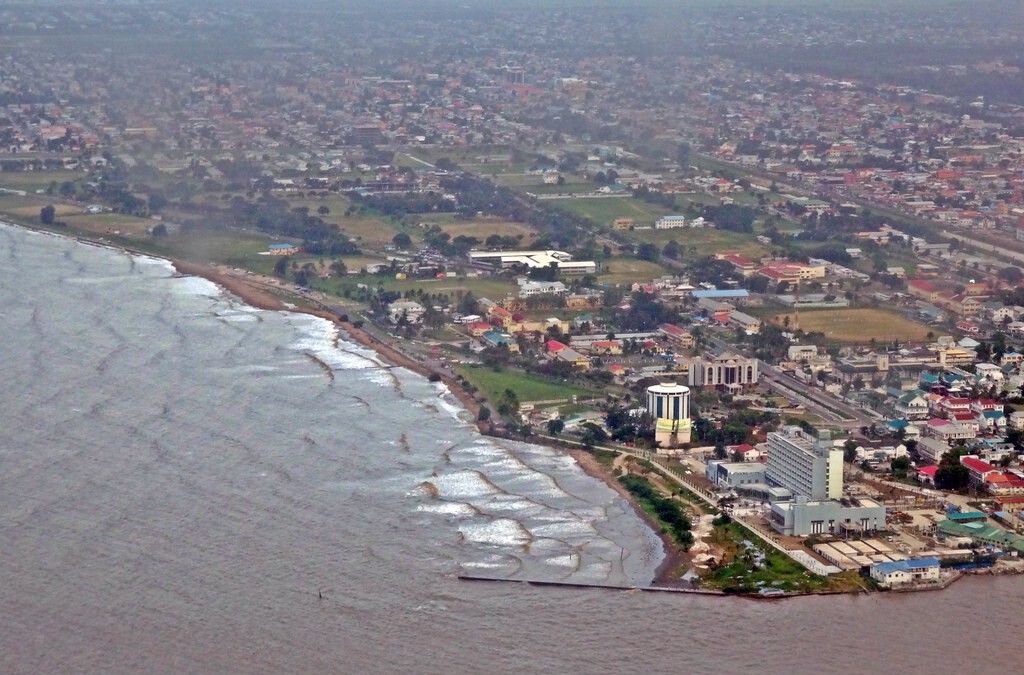
This year, Guyana expects to earn around $6.5 billion from oil, more than double its initial projections. The combination of high prices and desperate international demand has made its crude particularly attractive.
The Iran conflict has restricted energy supplies and hurt many economies, but Guyana is experiencing the opposite effect. Its oil is seen as a safe alternative to sources near the threatened routes.
- Guyana's oil production is about 900,000 barrels per day, with plans to reach 1.7 million by 2030.
- Oil revenues are expected to reach $6.5 billion this year, more than double earlier estimates.
- The Iran war has driven up oil prices, benefiting Guyana's economy.
- Luxury goods like Ferraris and Lamborghinis are becoming visible signs of new wealth.
- Many citizens have yet to feel the benefits, as inequality remains a challenge.
Why the Iran War Matters
The conflict in Iran has disrupted global oil supplies, pushing prices higher. Countries like Guyana, which are far from the conflict zone, become crucial suppliers.
Guyana's oil is especially appealing because it is not exposed to the security risks in the Middle East. This geopolitical advantage has accelerated its economic growth.
Analysts note that the war has acted as a lottery for Guyana, fast-tracking its transformation. However, the windfall also brings challenges, such as managing newfound wealth and ensuring it benefits all citizens.
Luxury and Inequality
In Guyana's capital, Georgetown, luxury cars and high-end restaurants are becoming more common. Million-dollar weddings are now part of the social scene.
But not everyone is experiencing the boom. Many Guyanese still face poverty, and the gap between rich and poor is widening. The government faces pressure to distribute oil revenues fairly.
Economists warn that without proper management, the oil windfall could lead to inflation and social unrest. Transparency and investment in public services will be key.
What to Watch Next
Guyana's oil production is set to grow, and its economy is expected to expand rapidly. The government aims to use oil revenues to develop infrastructure, education, and healthcare. The background to this story is set out in OECD: Global Economy Shows Resilience to Iran War Impact. A related thread runs through Healey Warns Retailers on Price Gouging Amid Iran War Impact. Earlier coverage in Oil Profits Boom on War Bonus as Trump Slams Energy Giants shows how the argument developed.
However, the country must also navigate the global energy transition. As the world moves toward renewables, Guyana's oil-dependent future may face long-term risks. A closer look at the same subject appears in UK Economy Grows 0.1% in May Despite Iran War Impact. Anyone following the wider picture can start with Yemen Violence Escalates: Global Impact and US-Iran War Link. The same theme surfaces in UK Economy Grew 0.1% in May Despite Iran War Impact, which takes a different angle.
For now, the Iran war has given Guyana an unexpected boost. The coming years will show whether this small nation can turn its oil wealth into lasting prosperity. Context on how this played out before sits in Trump Slams Oil Companies for War Profits. A companion piece, Iran War Impact on Trump and 2026 Midterm Elections, approaches the same subject from another angle.
FAQ
How did Guyana become rich so quickly?
Guyana started producing oil in recent years and has benefited from high global oil prices, especially due to the Iran war. Its oil revenues have more than doubled, fueling rapid economic growth.
What is the Iran war's role in Guyana's oil boom?
The Iran war has disrupted oil supplies from the Middle East, driving up prices. Guyana's oil, located far from the conflict, has become a sought-after alternative, boosting its earnings.
Are all Guyanese benefiting from the oil wealth?
Not yet. While luxury goods are appearing, many citizens still face poverty. The government is under pressure to ensure oil revenues are distributed fairly and invested in public services.
What are the risks of Guyana's oil dependence?
Guyana's economy is becoming heavily reliant on oil, which exposes it to price volatility and the global energy transition. Managing the windfall wisely is crucial to avoid long-term instability.
Browse the Shop
 Acacia frida deluxe solid wood bed frame |
Bedroom bench |
Bed chest drawers |
Lingerie dresser |
Frame base |
Mirror with jewelry storage |
30 Bathroom Vanity |
Memory foam queen mattress |
Mattresses for back pain |
Nightstand set of 2 |
Grand Goldman Shop |
Civil Lawyer
Deutschland Trikot WM 2026










