

Golden Corral, the largest buffet chain in the United States, has cracked the math of all-you-can-eat dining by focusing on cheap, filling foods like potatoes. While customers pile their plates high, the company carefully manages which items appear next to the expensive ones. This strategy allows it to offer unlimited meals at a fixed price while staying profitable.
The buffet business model seems counterintuitive: charge a flat fee and let customers eat as much as they want. Yet Golden Corral has thrived for decades by understanding exactly what each dish costs to produce and designing its menu to keep those costs in check.
Find Original, High-end Home Decor that spark conversation at Grand Goldman Shop.
The Origins of Golden Corral's Buffet Model
Golden Corral started as a steakhouse in North Carolina in 1973. It wasn't until the late 1990s that the company fully embraced the all-you-can-eat buffet format. Today, the chain operates around 350 restaurants and charges approximately $15.99 to $18.99 for a dinner where customers can return for as many helpings as they like.
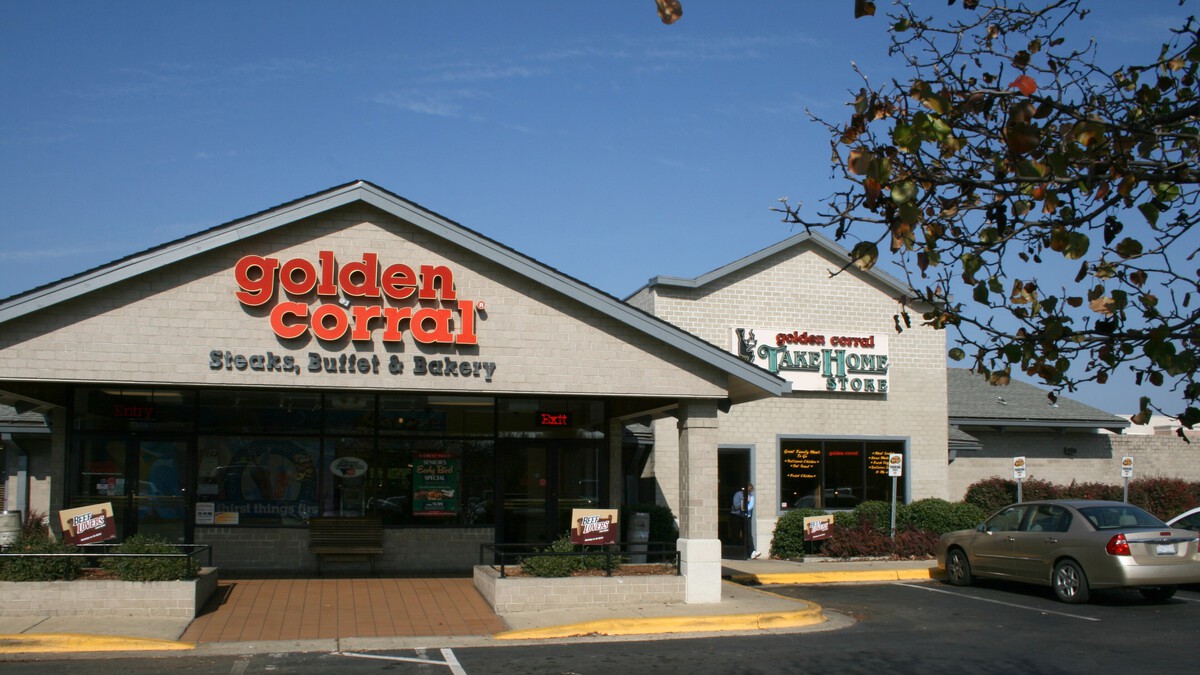
That fixed price puts pressure on the company to control costs. The buffet offers about 150 different dishes, and each one has a known production cost. The secret isn't hiding the steak or shrimp; it's carefully controlling what foods appear alongside them.
Why Volume and Customer Count Matter
To make the math work, Golden Corral relies on high volume. Some of its busiest locations generate $7 million in annual revenue. Losing just 500 customers per week can start to compromise a location's finances. That sensitivity means every plate matters, and the chain must constantly balance variety with cost.
The buffet format attracts customers who value choice and abundance. But the company's success depends on steering them toward cheaper items without making them feel shortchanged. That's where strategic menu design comes in.
How Golden Corral Controls Food Costs
Meat is among the most expensive items on the buffet. To offset those costs, the chain offers plenty of low-cost, high-satiety foods like potatoes, pasta, and bread. These items fill customers up quickly and cost little to produce. By placing them prominently and making them appealing, Golden Corral encourages diners to consume more of the cheap stuff and less of the expensive proteins.
This approach isn't about deception; it's about smart menu engineering. The company knows that customers will naturally gravitate toward familiar, comforting foods. By ensuring those foods are always available and well-prepared, it manages to keep average plate costs down while still offering a wide variety of options.
- Strategic placement: Cheap, filling foods like potatoes are placed early in the buffet line to encourage larger portions.
- Cost awareness: Every dish has a known cost, and the menu is designed to balance expensive items with inexpensive ones.
- Volume reliance: High customer turnover is essential to profitability, so losing regulars can hurt.
- Menu variety: About 150 dishes are offered, but the mix is carefully curated to control costs.
- Customer psychology: The buffet format appeals to the desire for abundance, but the company subtly guides choices.
The Role of Potatoes and Other Cheap Staples
Potatoes are a cornerstone of Golden Corral's cost-control strategy. They are inexpensive, versatile, and filling. Whether mashed, fried, or baked, they appear throughout the buffet and help customers feel satisfied without driving up food costs. Other staples like pasta, rice, and bread serve a similar purpose.
By making these items delicious and abundant, the chain ensures that customers don't feel like they're missing out on the more expensive options. The goal is to create a perception of unlimited choice while subtly managing what goes on the plate.
Lessons for the Restaurant Industry
Golden Corral's approach offers valuable lessons for any restaurant offering fixed-price or unlimited options. Understanding food costs and customer behavior is essential. By engineering the menu to highlight high-margin items, businesses can maintain profitability without sacrificing the customer experience.
The buffet model also highlights the importance of volume. Without enough customers, even the best cost controls won't save a location. That's why Golden Corral focuses on keeping prices competitive and the experience consistent across its 350 locations. The background to this story is set out in Think Like a Physicist: Heat Transfer Puzzle Solved. A related thread runs through Monty Hall Golden Goat Puzzle Solution Explained.
| Factor | Golden Corral's Approach | Impact on Business |
|---|---|---|
| Pricing | Fixed price ($15.99-$18.99) | Predictable revenue per customer |
| Menu variety | ~150 dishes | Attracts diverse customers |
| Cost control | Emphasis on cheap staples like potatoes | Keeps average plate cost low |
| Volume | High customer turnover | Essential for profitability |
| Customer sensitivity | Losing 500 weekly customers hurts | Need to maintain popularity |
What This Means for Diners and Investors
For diners, the buffet offers a sense of abundance and choice. For investors, Golden Corral's model demonstrates the importance of cost management in the restaurant industry. The chain's ability to balance variety with cost control has allowed it to survive and grow in a competitive market. Earlier coverage in Thames Water Golden Share Bid to Avoid Nationalisation shows how the argument developed. A closer look at the same subject appears in George Russell: Mercedes Engine Problem Solved for Hungarian.
As food prices fluctuate, the company's strategy may need to adapt. But the core principle remains: understand your costs, know your customers, and design your offerings to align with both. Anyone following the wider picture can start with Mercedes Engine Problem Solved: George Russell Eyes Forward. The same theme surfaces in Beef Joint Vanishes: A Dog's Dinner Mystery Solved, which takes a different angle.
FAQ
How does Golden Corral make money with all-you-can-eat?
Golden Corral makes money by controlling food costs and relying on high volume. It offers about 150 dishes but carefully manages the mix to emphasize inexpensive, filling items like potatoes. This keeps the average cost per customer low while the fixed price ensures predictable revenue.
What is the secret to Golden Corral's buffet success?
The secret lies in menu engineering. By placing cheap, filling foods prominently and ensuring they are appealing, the chain encourages customers to fill up on low-cost items. Expensive proteins are available but are balanced with cheaper staples to maintain profitability.
Why are potatoes important to Golden Corral?
Potatoes are a cheap, versatile, and filling food that helps customers feel satisfied without driving up costs. They appear in many forms throughout the buffet and are a key tool in controlling food expenses.
How many locations does Golden Corral have?
Golden Corral operates around 350 restaurants across the United States. This scale allows the company to purchase ingredients in bulk and maintain consistent pricing and quality.
The buffet industry faces unique challenges, from rising food costs to changing consumer preferences. Golden Corral's experience shows that success comes from a deep understanding of the numbers behind the food. For more on how businesses navigate controversial decisions, see our analysis of the Como bike ban and the mayor's controversial decision after an accident. The parallels between managing public perception and managing costs are striking.
In both cases, leaders must weigh short-term pressures against long-term sustainability. Golden Corral's focus on cost control is a lesson in discipline. Similarly, the Como bike ban controversy sparked by the mayor's decision illustrates how quickly public sentiment can shift. Businesses and policymakers alike must anticipate reactions and adapt.
As the restaurant industry evolves, Golden Corral's model will continue to be studied. The chain's ability to turn the all-you-can-eat challenge into a profitable venture is a testament to careful planning and execution. Whether you're a diner or an entrepreneur, there's plenty to learn from the buffet line.
Browse the Shop
 Acacia frida deluxe solid wood bed frame |
Bedroom bench |
Bed chest drawers |
Lingerie dresser |
Frame base |
Mirror with jewelry storage |
30 Bathroom Vanity |
Memory foam queen mattress |
Mattresses for back pain |
Nightstand set of 2 |
Grand Goldman Shop |
Civil Lawyer
Deutschland Trikot WM 2026










