

The rediscovery of the Amami rabbit in 1979 on Japan's Amami Ōshima island was a landmark moment for conservation. But the story took a tragic turn when a misguided plan to control snakes unleashed an ecological disaster that still haunts the island today.
The Rediscovery of a Living Fossil
In 1979, researchers on Amami Ōshima, part of Kagoshima Prefecture, confirmed the existence of the Amami rabbit (Pentalagus furnessi), a species endemic to the island and often called a "living fossil" due to its ancient evolutionary lineage. Before this, the rabbit was thought to be on the brink of extinction because of habitat loss and hunting.
Find Original Home Decor sparking conversation at Grand Goldman Shop.

The discovery was celebrated as a victory for conservation and highlighted the need to protect the island's unique ecosystem, which is home to many other endemic species. It also underscored the importance of controlling invasive predators, particularly snakes that prey on the rabbits.
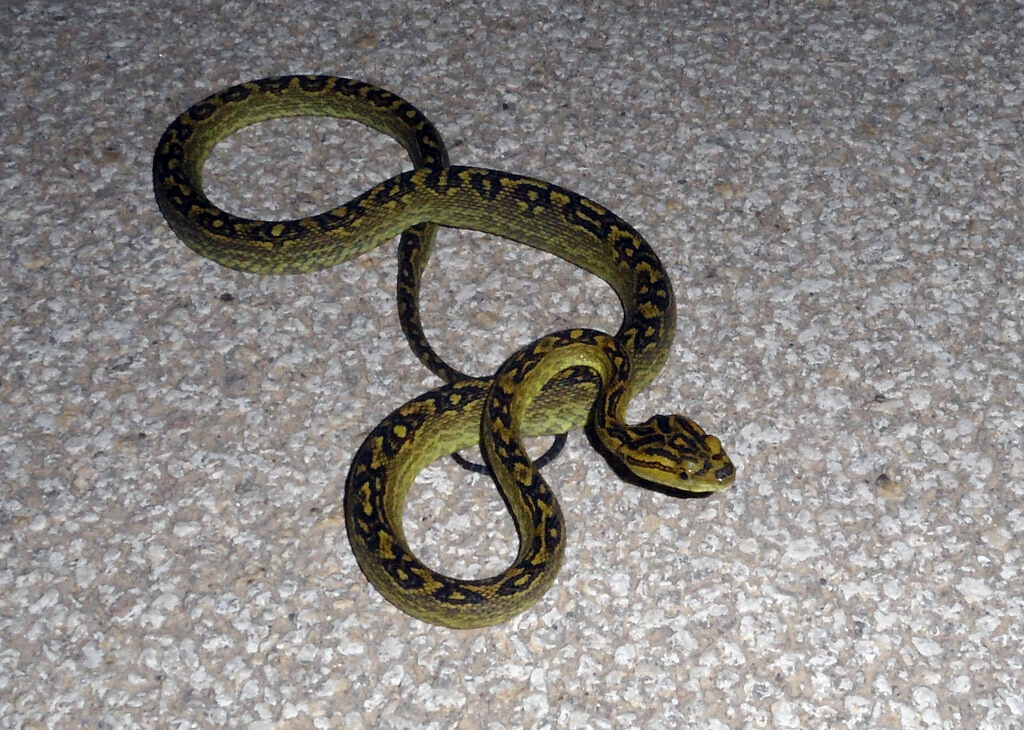
The Mongoose Introduction: A Misguided Solution
To tackle the snake problem, Japanese authorities introduced about 30 mongooses to the island in the months following the rediscovery. The plan was straightforward: mongooses are known for their ability to kill snakes, so they would reduce the snake population and protect the rabbits.
However, the mongooses did not stick to the script. Instead of primarily hunting snakes, they found an abundance of easier prey, including the very rabbits they were meant to protect, as well as other native species. The mongoose population exploded, and the ecological balance of the island began to unravel.
Why the Plan Backfired
The failure of the mongoose introduction can be attributed to several factors. First, mongooses are opportunistic feeders and will prey on whatever is most readily available. On Amami Ōshima, that included the Amami rabbit, which had no natural defenses against this new predator.
Second, the snakes themselves were not as vulnerable to mongoose predation as expected, partly because the snakes are nocturnal and mongooses are diurnal. This mismatch in activity patterns meant that the mongooses turned to other food sources, including the rabbits.
Third, the introduction was done without a thorough assessment of the potential impacts on the entire ecosystem. This lack of foresight allowed the mongoose population to grow unchecked, leading to a cascade of negative effects on native wildlife.
The Aftermath and Ongoing Conservation Efforts
The ecological disaster on Amami Ōshima serves as a cautionary tale about the risks of biological control. In the years since, the Japanese government has launched efforts to eradicate the mongooses and protect the Amami rabbit. These efforts have included trapping and removal programs, as well as habitat restoration.
Despite these measures, the Amami rabbit remains endangered, and the island's ecosystem continues to recover slowly. The incident has also influenced conservation policies in Japan and beyond, emphasizing the need for rigorous scientific evaluation before introducing non-native species. The background to this story is set out in Invasivorism: When Invasive Species Become a Culinary Treasure. A related thread runs through Japan's Stray Cat Invasive Species Plan Sparks Backlash. Earlier coverage in Invasive Species in Spain: How Three Species Help Each Other Thrive shows how the argument developed.
Lessons Learned for Global Conservation
The Amami rabbit story is not unique; similar cases have occurred worldwide, such as the introduction of cane toads in Australia and mongooses in Hawaii. These examples highlight the importance of understanding ecological interactions and the potential consequences of human interventions. A closer look at the same subject appears in Invasive Species Cost Australia $24.5B: How to Respond. Anyone following the wider picture can start with Invasive Species Cost Australia Billions: How to Respond. The same theme surfaces in Invasive Species in Spain: Why the Guadalquivir Is a Hotspot, which takes a different angle.
Conservationists now advocate for integrated pest management and biological control methods that are carefully researched and monitored. The key takeaway is that saving one species should not come at the expense of others, and that ecosystems are complex networks where every action can have far-reaching effects. Context on how this played out before sits in Stranded Ships in Hormuz Risk Spreading Invasive Species Globally. A companion piece, UK Mushroom Grow Kits Linked to Invasive Species Risk, approaches the same subject from another angle.
- Amami rabbit was rediscovered in 1979 on Amami Ōshima, Japan.
- To control snakes, about 30 mongooses were introduced, but they preyed on rabbits instead.
- The mongoose population exploded, causing an ecological disaster.
- Eradication efforts are ongoing, but the rabbit remains endangered.
- The case underscores the risks of biological control without thorough assessment.
Comparing Invasive Species Interventions
| Intervention | Location | Target | Outcome |
|---|---|---|---|
| Mongoose introduction | Amami Ōshima, Japan | Snakes | Backfired; mongooses preyed on Amami rabbit |
| Cane toad introduction | Australia | Cane beetles | Failed; toads became invasive |
| Mongoose introduction | Hawaii | Rats | Damaged native bird populations |
| Cat eradication | Various islands | Feral cats | Mixed; sometimes successful with careful planning |
FAQ
What is the Amami rabbit?
The Amami rabbit (Pentalagus furnessi) is a rare, endemic species found only on Amami Ōshima and Tokunoshima islands in Japan. It is considered a living fossil due to its ancient lineage.
Why were mongooses introduced to Amami Ōshima?
Mongooses were introduced in 1979 to control the snake population, which was believed to threaten the Amami rabbit. However, the mongooses ended up preying on the rabbits and other native species.
What was the outcome of the mongoose introduction?
The mongoose population grew rapidly and caused significant harm to the Amami rabbit and other native wildlife. Efforts to eradicate the mongooses are ongoing.
What lessons can be learned from this ecological disaster?
The Amami case highlights the importance of thorough ecological assessments before introducing non-native species for biological control. It shows that well-intentioned interventions can have unintended and devastating consequences.
Browse the Shop
 Acacia frida deluxe solid wood bed frame |
Bedroom bench |
Bed chest drawers |
Lingerie dresser |
Frame base |
Mirror with jewelry storage |
30 Bathroom Vanity |
Memory foam queen mattress |
Mattresses for back pain |
Nightstand set of 2 |
Grand Goldman Shop |
Civil Lawyer
Deutschland Trikot WM 2026







