

Japan's census has revealed a staggering loss of over 3 million people in just five years, a demographic decline that has profound implications for the country's economy and society. The latest five-year population and households report from Japan's Statistics Bureau shows that as of 2025, the country had 123,049,524 residents, including both Japanese nationals and foreign residents. This represents a 2.45% decrease from the 2020 census, which counted 126.1 million people, and takes Japan's population back to levels last seen in 1989.
The decline is not a sudden shock but the continuation of a long-term trend. Japan has been grappling with a shrinking population for decades, despite numerous policy efforts to reverse the trend. The question now is whether this decline is irreversible or if the projections of a drop to 87 million by 2070 will become reality.
Find Original Home Decor sparking conversation at Grand Goldman Shop.

Japan's Demographic Crisis Deepens
The 3.1 million drop is equivalent to the entire population of Armenia, Puerto Rico, or Mongolia. It underscores the severity of Japan's demographic challenge. The government has implemented various measures to encourage childbirth and support families, but so far, these efforts have not been enough to stem the tide.
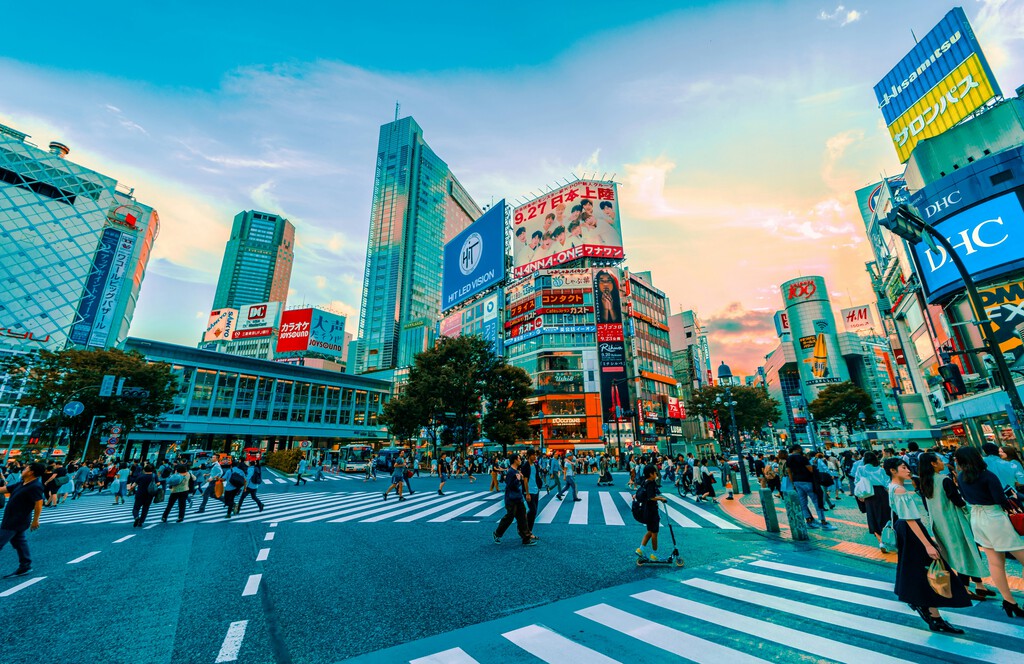
The decline is driven by a combination of factors: low birth rates, an aging population, and limited immigration. Japan's fertility rate has been below replacement level for decades, and the number of deaths consistently exceeds births. Meanwhile, the population aged 65 and over continues to grow, putting pressure on social security and healthcare systems.
Economic Impact of a Shrinking Population
A shrinking population has direct consequences for the economy. With fewer working-age people, Japan faces labor shortages that can constrain growth. The dependency ratio—the number of dependents per working-age person—rises, meaning fewer workers support more retirees. This can lead to higher taxes or reduced benefits, and it strains public finances.
Consumer demand may also weaken as the population shrinks, particularly in sectors like housing, education, and retail. However, some industries may benefit, such as healthcare and automation, as the need for elderly care and labor-saving technology increases.
Regional Disparities Worsen
The population decline is not uniform across Japan. Rural areas are losing residents at a faster rate than urban centers, exacerbating regional inequalities. Many small towns and villages are facing depopulation, with schools closing and local economies struggling. In contrast, Tokyo and other major cities continue to attract internal migrants, though even they are not immune to the national trend.
This uneven decline creates challenges for infrastructure planning and public service delivery. Local governments in shrinking regions must find ways to maintain essential services with fewer resources, often leading to consolidation or closures.
Government Response and Policy Challenges
The Japanese government has launched numerous initiatives to address the demographic crisis, including subsidies for childcare, expanded parental leave, and efforts to increase female labor force participation. However, these measures have had limited success in raising birth rates.
Immigration remains a sensitive topic, but Japan has gradually opened its doors to more foreign workers to fill labor gaps. The number of foreign residents has increased, but it is not enough to offset the overall decline. Moreover, integrating foreign workers poses social and cultural challenges. The background to this story is set out in Japan's Demographic Crisis: Toyama Officials Accused of Adding 2,000 Fake. A related thread runs through Europe's Demographic Crisis: The Young Face Heavy Consequences. Earlier coverage in Europe's Demographic Crisis: The Young Must Not Bear the Cost shows how the argument developed.
What Lies Ahead for Japan's Population
If current trends continue, Japan's population will keep shrinking, with projections suggesting a fall to 87 million by 2070. This would have profound implications for the country's economic vitality and global standing. However, some experts argue that Japan can adapt by embracing automation, increasing productivity, and reforming social systems. A closer look at the same subject appears in Europe's Demographic Crisis: Why the Young Will Pay the Price. Anyone following the wider picture can start with Europe's Demographic Crisis: Young Face Consequences. The same theme surfaces in Japan's Youth Turn to Traditional Matchmakers to Solve Demographic Crisis, which takes a different angle.
The key will be whether Japan can manage the transition smoothly and maintain a high quality of life for its citizens. The census results serve as a wake-up call, highlighting the urgency of the issue. Context on how this played out before sits in 30 Overweight Animals Who Had An Amazing Weight Loss Transformation. A companion piece, Spain's Demographic Crisis: Fertility Below One Child per Woman, approaches the same subject from another angle.
- Japan's population fell by 3.1 million in five years, a 2.45% decline.
- The drop is equivalent to the population of Armenia or Puerto Rico.
- Low birth rates and an aging population drive the decline.
- Economic impacts include labor shortages and higher dependency ratios.
- Rural areas are hit hardest, worsening regional disparities.
- Government policies have yet to reverse the trend.
Comparing Japan's Demographic Indicators
| Indicator | 2020 Census | 2025 Census | Change |
|---|---|---|---|
| Total Population | 126,146,099 | 123,049,524 | -3,096,575 |
| Percentage Change | - | - | -2.45% |
| Population Level Equivalent | 1989 | 1989 | - |
FAQ
Why did Japan's population drop by 3 million?
The decline is primarily due to low birth rates and an aging population, leading to more deaths than births. Limited immigration also contributes to the shrinking population.
What is the economic impact of Japan's population decline?
A shrinking population leads to labor shortages, higher dependency ratios, and reduced consumer demand, which can slow economic growth and strain public finances.
How is the Japanese government responding to the demographic crisis?
The government has implemented policies to encourage childbirth, support families, and increase female labor force participation, as well as gradually opening up to foreign workers.
What are the projections for Japan's population in 2070?
Projections suggest that Japan's population could fall to 87 million by 2070 if current trends continue, posing significant challenges for the country's future.
Browse the Shop
 Acacia frida deluxe solid wood bed frame |
Bedroom bench |
Bed chest drawers |
Lingerie dresser |
Frame base |
Mirror with jewelry storage |
30 Bathroom Vanity |
Memory foam queen mattress |
Mattresses for back pain |
Nightstand set of 2 |
Grand Goldman Shop |
Civil Lawyer
Deutschland Trikot WM 2026







