

In 1940, a dog named Robot discovered the Lascaux Cave in France, revealing one of the world's most important collections of prehistoric art. The cave, often called the "Sistine Chapel of prehistory," contains stunning paintings of animals that are over 17,000 years old. This accidental find near Montignac in southwestern France opened a window into the lives of our ancient ancestors.
The Accidental Discovery of Lascaux Cave
On September 12, 1940, 18-year-old Marcel Ravidat was walking in the woods near Montignac with his dog, Robot. The dog began sniffing around a hole, which some say was created by an uprooted tree, while others claim it was a fox den. What lay beneath was far more significant than anyone could have imagined.
Find Original Home Decor sparking conversation at Grand Goldman Shop.

Ravidat returned shortly after with three friends—Jacques Marsal, Georges Agnel, and Simon Coencas—to explore the cave. They descended a 15-meter-deep shaft, thinking they might find a secret passage to a nearby mansion. Instead, they discovered walls covered in remarkable animal paintings.
What They Found Inside the Cave
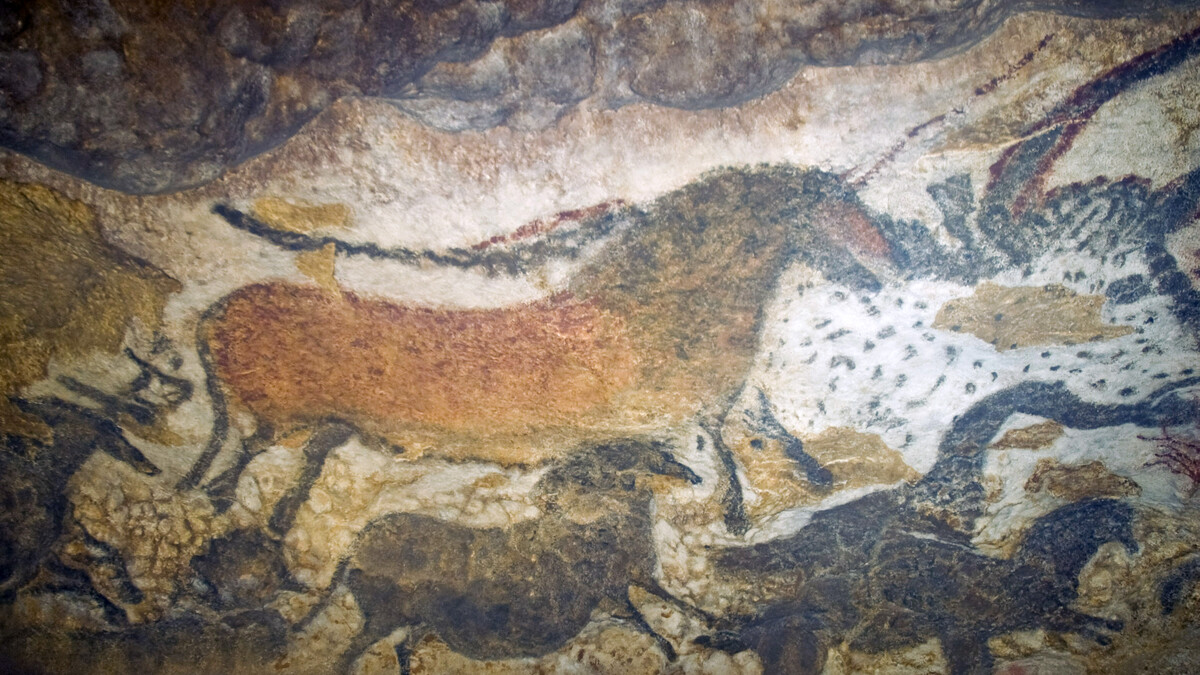
The walls of Lascaux were adorned with depictions of horses, bulls, deer, and other animals, painted with incredible skill and detail. These artworks had been hidden for more than 17,000 years. The teenagers were astonished by the scale and beauty of the paintings, which cover the cave's ceilings and walls.
The cave contains nearly 600 painted and drawn animals and symbols, making it one of the most extensive Paleolithic art sites in the world. The paintings are remarkably well-preserved, thanks to the cave's stable environment and the fact that it had been sealed off for millennia.
Why the Lascaux Cave Matters
The discovery of Lascaux provided invaluable insights into the artistic and cultural achievements of early humans. The paintings demonstrate a sophisticated understanding of anatomy, movement, and perspective. They also offer clues about the spiritual and symbolic lives of Paleolithic people.
Lascaux is not just an archaeological site; it is a testament to human creativity and expression. It reminds us that our ancestors possessed a deep appreciation for art and the natural world. The cave has been a source of inspiration for artists, historians, and scientists alike.
Key Takeaways from the Lascaux Discovery
- Accidental find: A dog named Robot led to the discovery of the cave in 1940.
- Age of the art: The paintings are approximately 17,000 years old.
- Scale: The cave contains nearly 600 painted animals and symbols.
- Preservation: The cave's sealed environment helped preserve the art for millennia.
- Significance: Lascaux is often called the "Sistine Chapel of prehistory" due to its artistic mastery.
Comparison of Lascaux Cave with Other Prehistoric Sites
| Site | Location | Age (approx.) | Notable Features |
|---|---|---|---|
| Lascaux Cave | Dordogne, France | 17,000 years | 600 painted animals, intricate detail |
| Altamira Cave | Cantabria, Spain | 14,000 years | Polychrome bison paintings |
| Chauvet Cave | Ardèche, France | 30,000 years | Earliest known figurative art |
| Cosquer Cave | Bouches-du-Rhône, France | 27,000 years | Underwater entrance, hand stencils |
Preservation and Tourism Challenges
After the cave's discovery, it quickly became a major tourist attraction. However, the influx of visitors introduced carbon dioxide and moisture, which began to damage the paintings. In 1963, the cave was closed to the public to protect the art.
Today, visitors can explore a replica, Lascaux II, located nearby. This allows people to experience the cave's wonders without harming the original. The replica is a testament to the importance of preserving our cultural heritage for future generations. The background to this story is set out in Mozart's Lost 1778 Notebook Discovered in France. A related thread runs through France Wildfires Force 250,000 Evacuations in Spain, France. Earlier coverage in France Wildfires: 200,000 Evacuated as Blazes Rage shows how the argument developed.
What to Watch Next
Ongoing research at Lascaux continues to reveal new details about the paintings and the people who created them. Scientists are using advanced imaging techniques to study the art without touching the walls. These efforts may uncover hidden paintings or provide fresh insights into the techniques used by Paleolithic artists. A closer look at the same subject appears in France and Spain Wildfires: Evacuations Exceed 250,000. Anyone following the wider picture can start with France Wildfires: 250,000 Evacuated as Blazes Rage. The same theme surfaces in Trending: latest articles, which takes a different angle.
Additionally, climate change and environmental factors pose ongoing threats to prehistoric sites worldwide. Conservationists are working to develop new methods to protect these irreplaceable treasures. The story of Lascaux serves as a reminder of the fragility of our heritage and the importance of responsible stewardship. Context on how this played out before sits in Ancient Clay Figurines Reveal Children's Crafts 15,000 Years Ago. A companion piece, Create Paper Cutout Illustrations from Photos with AI, approaches the same subject from another angle.
FAQ
Who discovered the Lascaux Cave?
The Lascaux Cave was discovered on September 12, 1940, by 18-year-old Marcel Ravidat and his dog, Robot. Ravidat later explored the cave with three friends.
How old are the Lascaux Cave paintings?
The paintings in Lascaux are approximately 17,000 years old, dating back to the Paleolithic era.
Why is Lascaux called the "Sistine Chapel of prehistory"?
Lascaux is often called the "Sistine Chapel of prehistory" because of the exceptional quality, scale, and artistic mastery of its cave paintings, which rival the complexity of later masterpieces.
Can you visit the original Lascaux Cave?
No, the original cave has been closed to the public since 1963 to protect the paintings from damage. However, visitors can tour a replica, Lascaux II, located nearby.
Browse the Shop
 Acacia frida deluxe solid wood bed frame |
Bedroom bench |
Bed chest drawers |
Lingerie dresser |
Frame base |
Mirror with jewelry storage |
30 Bathroom Vanity |
Memory foam queen mattress |
Mattresses for back pain |
Nightstand set of 2 |
Grand Goldman Shop |
Civil Lawyer
Deutschland Trikot WM 2026







