

A recent court ruling in Madrid has allowed a community of owners to install an elevator by occupying part of a private patio, overriding the objection of one homeowner. This decision highlights the tension between individual property rights and the collective need for accessibility in aging buildings.
What Happened in the Madrid Elevator Case?
The case began when a community of owners in Madrid unanimously agreed to install an elevator in their building. However, the building lacked space in the common areas, so the only feasible option was to occupy part of the private patios of the ground-floor apartments. One of the two affected owners challenged the decision in court, arguing that the elevator could be installed in the stairwell.
Find Original Home Decor sparking conversation at Grand Goldman Shop.

A lower court initially sided with the dissenting owner, annulling the community's decision. But the community appealed, and the Provincial Court of Madrid ultimately ruled in their favor.
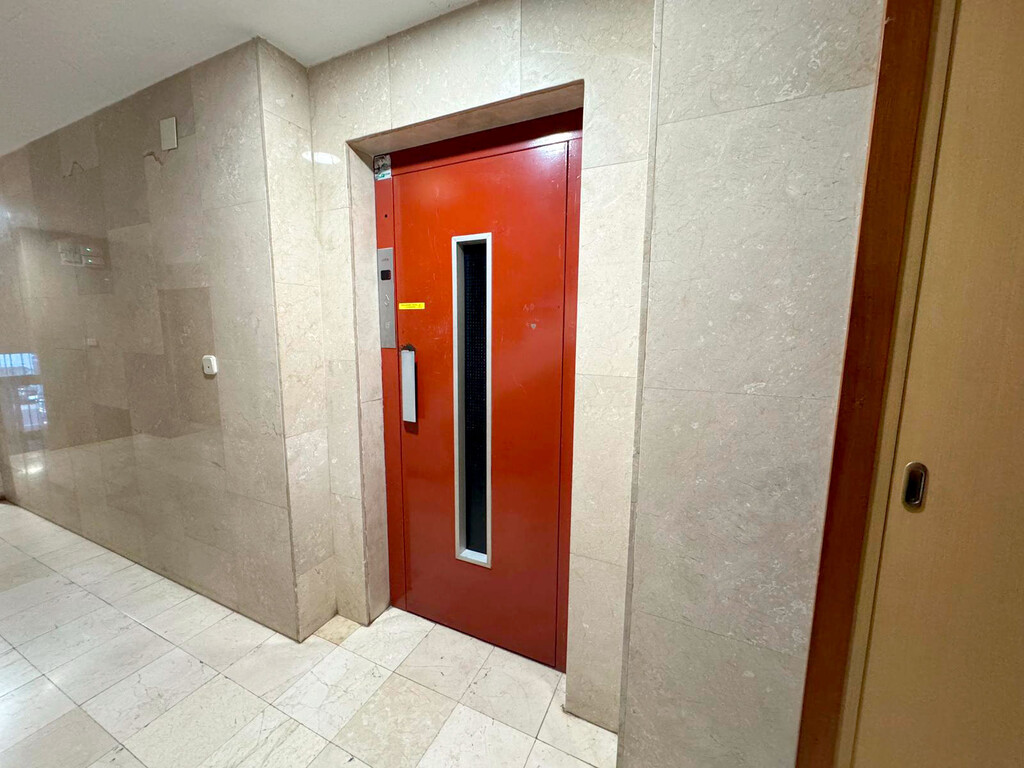
Why Did the Court Side with the Community?
The Provincial Court found that installing the elevator in the stairwell would violate building regulations and cause significant damage to the structure. It would require demolishing the staircase and would block access to homes for an extended period. In contrast, the patio installation was technically more reasonable and served the general interest of the community.
The ruling emphasized the principle of general interest over individual inconvenience, especially when the alternative would be unfeasible or highly disruptive.
Legal Implications for Communities and Homeowners
This ruling sets a precedent for similar cases in Madrid and beyond. It clarifies that communities can impose an elevator installation that affects private property if it is the only viable option and if it serves the common good. However, such decisions must be backed by technical reports and approved by a majority of owners.
For homeowners, it underscores the importance of participating in community meetings and understanding the potential impact of collective decisions on their property. The background to this story is set out in Can a Community Deny Elevator Access to Delinquent Owners. A related thread runs through EV Charger in Community Garage: Your Rights Under Property Law. Earlier coverage in Why the US Has Fewer Elevators Than Spain Despite 7x Population shows how the argument developed.
Key Takeaways from the Ruling
- General interest prevails: Courts may prioritize the community's need for accessibility over individual property rights when the greater good is at stake.
- Technical feasibility matters: The court considered expert evidence that the stairwell option was not viable.
- Unanimity is not always required: Although the initial decision was unanimous, the court upheld it even after one owner objected.
- Compensation may be due: Affected owners could be entitled to compensation for the use of their private property.
- Precedent for other communities: This case provides guidance for communities facing similar dilemmas.
Comparison of Elevator Installation Options
| Option | Feasibility | Impact on Building | Impact on Residents |
|---|---|---|---|
| Stairwell | Low (violates regulations, requires demolition) | Severe structural damage | Blocked access during construction |
| Private patio | High (technically feasible) | Minimal structural impact | Loss of patio space for ground-floor owners |
| Exterior facade | Variable (depends on building) | Moderate | Possible aesthetic changes |
What This Means for Madrid's Real Estate
Madrid's aging housing stock often lacks modern amenities like elevators. This ruling could accelerate renovations, making buildings more accessible and increasing property values. It also aligns with broader trends in the city, where luxury real estate and international investment are reshaping the market. A closer look at the same subject appears in How to Install an Elevator: A Complete DIY Guide. Anyone following the wider picture can start with Building a Cool Wooden Patio Chair!. The same theme surfaces in Trending: latest articles, which takes a different angle.
As Madrid continues to attract wealthy buyers from Latin America and elsewhere, the demand for updated buildings with elevators is likely to grow. Communities that proactively address accessibility may find their properties more attractive to these buyers. Context on how this played out before sits in Palestine Action Ban Challenge: Supreme Court Allows Appeal.
FAQ
Can a community force an elevator installation that affects private property?
Yes, if the installation is the only viable option and serves the general interest, as established by the Provincial Court of Madrid. However, affected owners may be entitled to compensation.
What should I do if my community proposes an elevator that affects my property?
Seek legal advice and request technical reports to evaluate alternatives. Participate in meetings and negotiate compensation if the project proceeds.
Does this ruling apply to other cities in Spain?
While the ruling is from Madrid, it may influence courts in other regions. However, each case depends on local regulations and specific circumstances.
How can I ensure my building is compliant with accessibility laws?
Consult with an architect or building engineer to assess your building's compliance and explore feasible options for installing an elevator.
The ruling is a reminder that property rights are not absolute and must be balanced with the needs of the community. As Madrid evolves, such decisions will shape the city's urban landscape and housing market.
For those interested in how wealth migration is influencing Madrid's real estate, Madrid: A Magnet for Millionaires and Latin American Wealth provides valuable context. The demand for modern amenities like elevators is part of a broader transformation of the city's housing stock.
Understanding these legal and market dynamics is essential for homeowners and investors alike. As communities navigate the challenges of aging buildings, cases like this will continue to shape the future of urban living.
Browse the Shop
 Acacia frida deluxe solid wood bed frame |
Bedroom bench |
Bed chest drawers |
Lingerie dresser |
Frame base |
Mirror with jewelry storage |
30 Bathroom Vanity |
Memory foam queen mattress |
Mattresses for back pain |
Nightstand set of 2 |
Grand Goldman Shop |
Civil Lawyer
Deutschland Trikot WM 2026







