

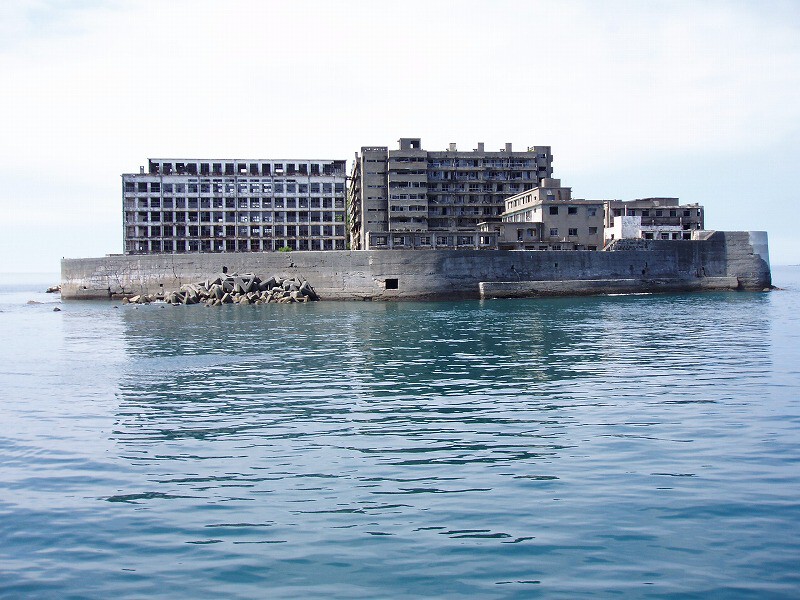
In 1890, Mitsubishi purchased Hashima Island, a small outcrop about 15 kilometers off the coast of Nagasaki, and transformed it into a bustling coal mining community. Known as Gunkanjima or "Battleship Island" for its concrete seawall and blocky silhouette, Hashima became one of the most densely populated places on Earth before its abandonment in 1974. Its story is a fascinating and dark chapter of Japan's industrial rise.
Why Mitsubishi Bought Hashima Island
Coal was first discovered under the seabed around 1810, but systematic mining didn't begin until 1887. In 1890, Mitsubishi Goshi Kaisha acquired the island and took control of the undersea mines. The company saw immense potential in the rich coal deposits that fueled Japan's modernization.
Find Original Home Decor sparking conversation at Grand Goldman Shop.

Extracting coal from beneath the ocean was extraordinarily difficult. Miners worked in tunnels that descended up to a kilometer below the surface, enduring temperatures around 30°C and extremely high humidity. Between 1891 and 1974, the island produced approximately 15.7 million tons of coal.
Building a City on a Rock
Transporting workers daily from Nagasaki was costly and inefficient, so Mitsubishi decided to build an entire city on the island. In 1916, the company constructed Japan's first large-scale reinforced concrete building right on Hashima. This type of construction was revolutionary at the time and allowed for multi-story apartment blocks that could withstand typhoons and the harsh marine environment.
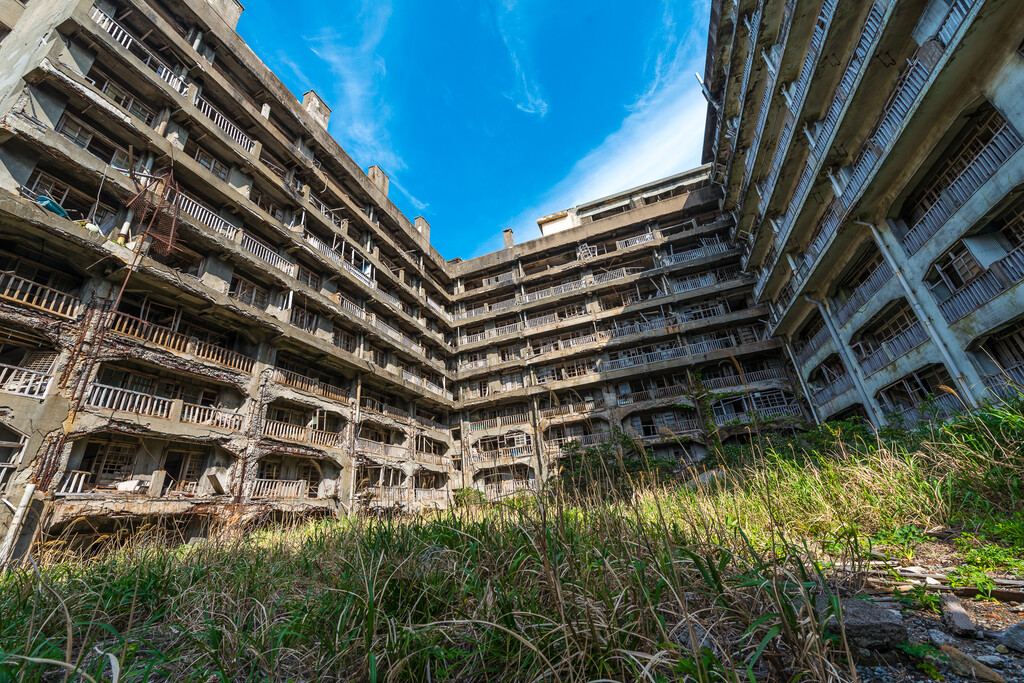
Over the decades, the island grew into a self-contained community with schools, hospitals, shops, and entertainment facilities. At its peak, around 5,000 people lived in less than 0.06 square kilometers, making it one of the most densely populated places in the world.
Life on the Island
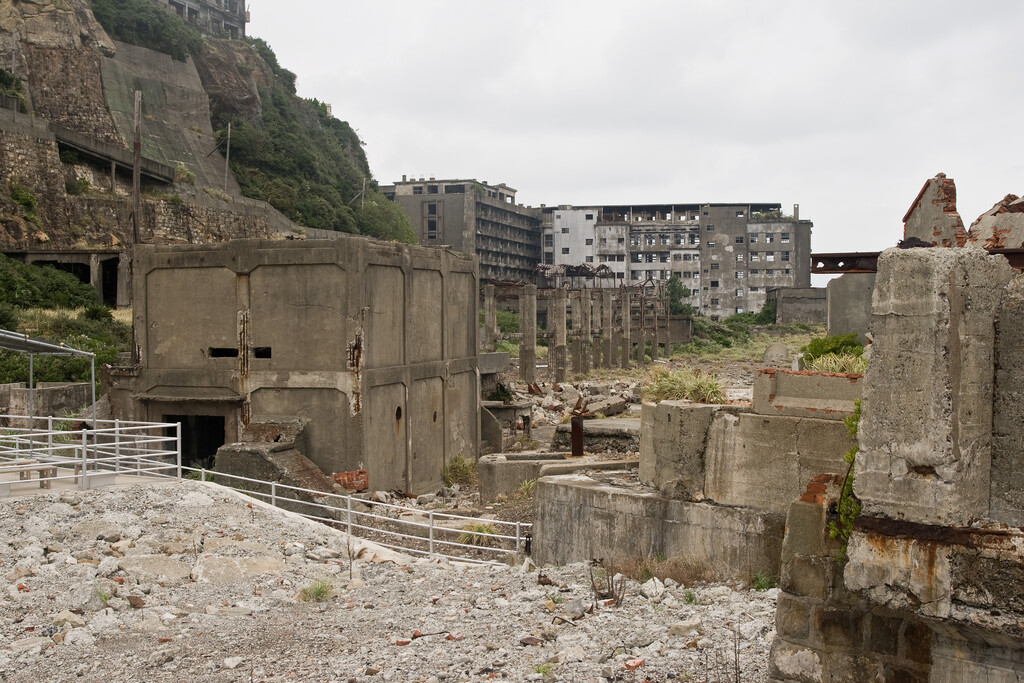
Residents enjoyed modern amenities unusual for the era, including electricity, running water, and even a cinema. However, the cramped conditions and isolation were challenging. The island was entirely dependent on supplies from the mainland, and space was so limited that rooftops were used as playgrounds.
During World War II, the Japanese government forced thousands of Korean and Chinese laborers to work in the mines under brutal conditions. This dark period remains a sensitive topic in Japan-South Korea relations. Context on how this played out before sits in Mitsubishi's Hashima Island: The Dark History of Gunkanjima.
The Decline and Abandonment
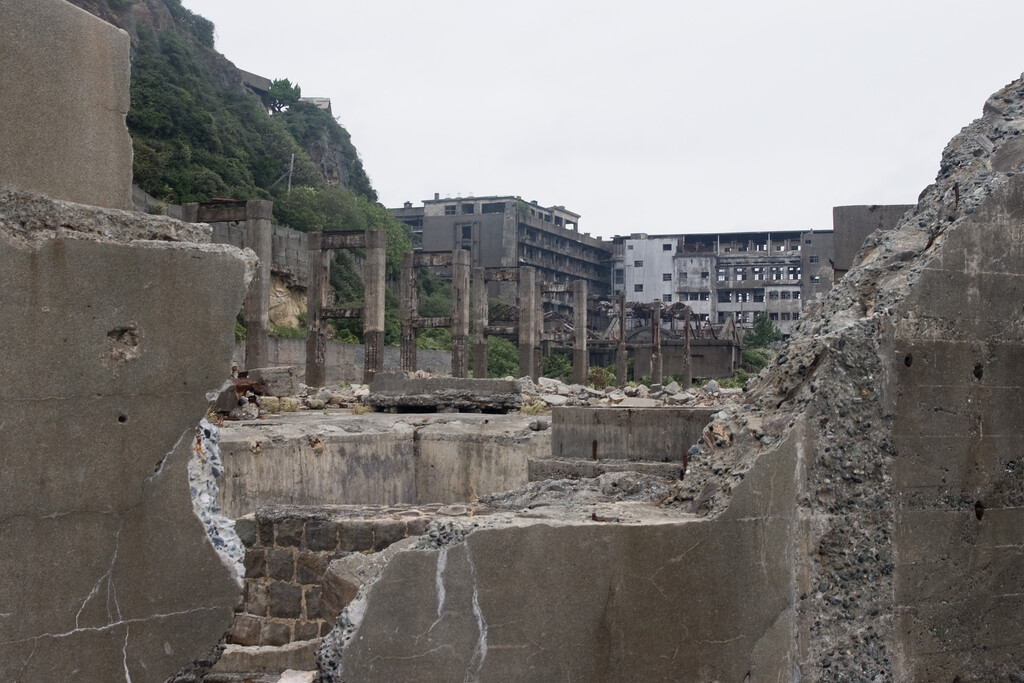
After the war, Japan's energy needs shifted from coal to oil, and the mines became less profitable. In 1974, Mitsubishi closed the mine and evacuated the island. Within months, Hashima became a ghost town, its concrete buildings left to decay. The background to this story is set out in Trending: latest articles. A related thread runs through El Cid: The Legend vs. the Real History of Spain's Hero.
For decades, the island was off-limits to visitors, its ruins standing as a silent monument to a bygone era. In 2009, the Japanese government opened part of the island to tourism, and in 2015, Hashima was designated a UNESCO World Heritage site as part of Japan's Meiji Industrial Revolution sites. Earlier coverage in US Amphibious Forces Near Iran's Kharg Island: A New Phase in the Persian shows how the argument developed. A closer look at the same subject appears in Ancient Spanish Copper Mine Linked to Scandinavian Bronze Age.
Key Takeaways
- Mitsubishi bought Hashima Island in 1890 to exploit undersea coal deposits.
- The company built Japan's first large reinforced concrete building on the island in 1916.
- At its peak, about 5,000 people lived in a space of just 0.06 square kilometers.
- The island produced 15.7 million tons of coal between 1891 and 1974.
- Hashima was abandoned in 1974 and later became a UNESCO World Heritage site.
Hashima Island Today
Today, Hashima is a popular tourist destination, with guided tours offering a glimpse into its haunting ruins. The island's story has inspired films and documentaries, including the James Bond movie "Skyfall." However, the site also serves as a reminder of the complex and often painful history of industrialization. Anyone following the wider picture can start with 1946 Pilbara Strike Photos Reveal Aboriginal Mining Camps. The same theme surfaces in Iran's Plan B to Survive a US Invasion of Kharg Island, which takes a different angle.
Comparison of Hashima Island at Its Peak vs. Today
| Aspect | At Its Peak (mid-20th century) | Today |
|---|---|---|
| Population | ~5,000 | 0 (uninhabited) |
| Status | Active mining community | UNESCO World Heritage site (ruins) |
| Access | Restricted to residents and workers | Limited tourist access via guided tours |
| Key Structures | Apartment blocks, schools, hospital | Decaying concrete ruins |
FAQ
Why is Hashima Island called Gunkanjima?
Gunkanjima means "Battleship Island" in Japanese. The nickname comes from the island's shape, which resembles a battleship, especially when viewed from the sea.
Can tourists visit Hashima Island?
Yes, guided tours are available from Nagasaki. However, access is limited to a specific area due to safety concerns and preservation efforts.
What happened to the residents of Hashima?
When the mine closed in 1974, all residents were evacuated. Most moved to mainland Japan and rebuilt their lives elsewhere.
Is Hashima Island haunted?
Some people believe the island is haunted due to its dark history and abandoned ruins. However, there is no scientific evidence of hauntings.
Browse the Shop
 Acacia frida deluxe solid wood bed frame |
Bedroom bench |
Bed chest drawers |
Lingerie dresser |
Frame base |
Mirror with jewelry storage |
30 Bathroom Vanity |
Memory foam queen mattress |
Mattresses for back pain |
Nightstand set of 2 |
Grand Goldman Shop |
Civil Lawyer
Deutschland Trikot WM 2026







