

The first Nvidia RTX Spark mini PCs have officially arrived in Spain, marking a significant milestone for compact computing. These machines, built on ARM architecture and equipped with N1X chips, promise to revolutionize both productivity and gaming experiences. However, they come with a hefty price tag that may give pause to even the most enthusiastic early adopters.
The MSI EdgeMesa N AI+ is among the first models available, hitting shelves at NeoByte. As reported, these systems are undeniably expensive—very expensive. But are their prices justifiable? The answer depends largely on how you intend to use them, as they offer a fundamentally different experience from traditional x86 PCs.
Find Original Home Decor sparking conversation at Grand Goldman Shop.

What Makes Nvidia RTX Spark Mini PCs Stand Out?
At the heart of these mini PCs is the ARM architecture paired with N1X chips, delivering exceptional performance for local AI tasks. This means you can run AI workloads without being tethered to cloud-based token limits, which is a major advantage for developers, researchers, and creatives who need on-device processing power.
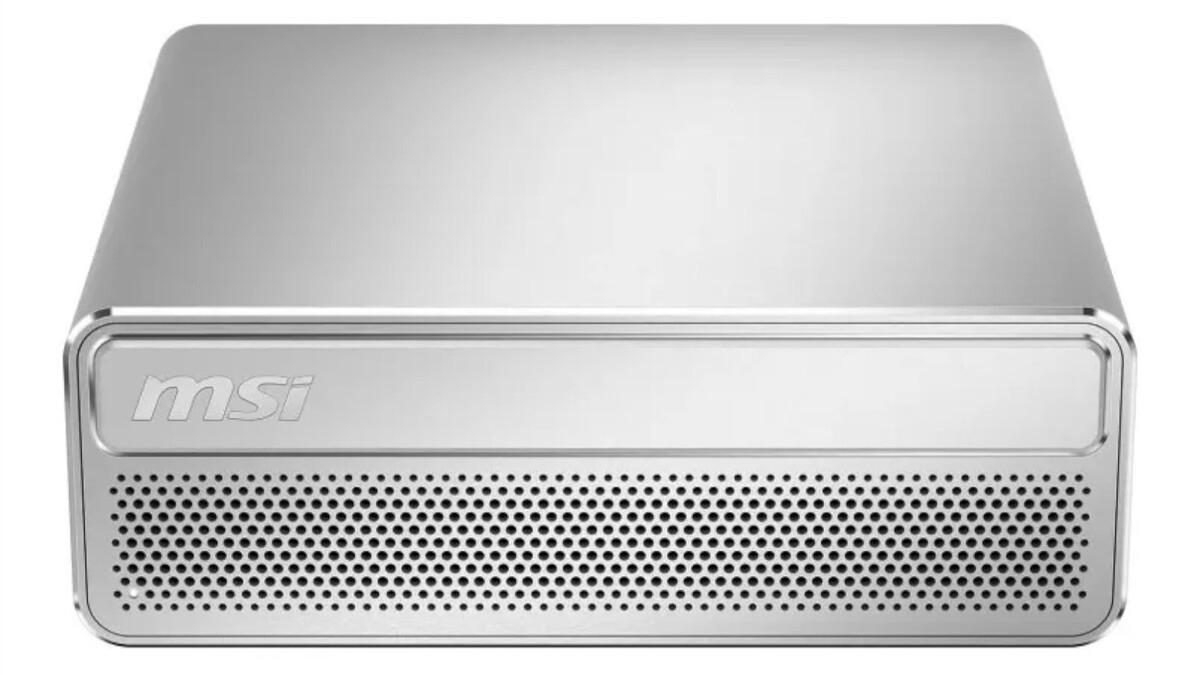
Beyond AI, these machines also cater to gamers. Early hands-on reports indicate that they can sustain good performance in demanding titles, thanks to the efficient ARM design and integrated RTX Spark graphics. This dual focus on productivity and gaming sets them apart from typical mini PCs, which often sacrifice one for the other.
Key Features at a Glance
- ARM architecture with N1X chips for efficient processing
- Local AI acceleration for on-device machine learning tasks
- Gaming-ready performance in a compact form factor
- Premium build quality from brands like MSI
- High price point reflecting cutting-edge technology
These features make the RTX Spark mini PCs a compelling option for those who need a versatile, space-saving computer that can handle both work and play. But the cost is a significant barrier.
Pricing and Availability: What to Expect
The MSI EdgeMesa N AI+ is currently available at NeoByte, but it's not cheap. While exact pricing wasn't specified in the source, the article emphasizes that these computers are "caros; muy caros" (expensive; very expensive). This is consistent with the premium nature of early ARM-based PCs, which often command higher prices due to advanced manufacturing and limited competition.
More models are expected to arrive from other brands, gradually increasing variety. For instance, Lenovo has already introduced laptops with similar architecture, and retailers like PcComponentes are beginning to stock a wider range of configurations. This suggests that while the initial offerings are pricey, the market will likely expand with more options and potentially more competitive pricing over time.
| Model | Architecture | Key Feature | Availability |
|---|---|---|---|
| MSI EdgeMesa N AI+ | ARM (N1X chip) | Local AI and gaming | NeoByte (Spain) |
| Lenovo (laptop) | ARM | Portable alternative | PcComponentes and other retailers |
As more brands enter the fray, buyers will have more choices, but for now, early adopters will need deep pockets.
Why ARM Architecture Matters for AI and Gaming
ARM-based processors have traditionally been associated with mobile devices due to their power efficiency. However, recent advancements have made them viable for high-performance computing. The N1X chip in these mini PCs is designed to handle AI workloads locally, which is crucial for tasks like real-time image recognition, natural language processing, and machine learning model training.
For gaming, ARM's efficiency translates to sustained performance without excessive heat or power draw—a boon for compact systems. The integrated RTX Spark graphics further enhance gaming capabilities, allowing these mini PCs to run demanding titles at respectable frame rates. This combination is rare in the mini PC space, where integrated graphics often fall short.
Who Should Consider These Mini PCs?
These machines are ideal for professionals who require local AI processing, such as data scientists, developers, and content creators. Gamers who want a small-form-factor PC without compromising on performance may also find them appealing. However, casual users or budget-conscious buyers might want to wait for more affordable options.
The Verdict: Are They Worth the Investment?
Whether the Nvidia RTX Spark mini PCs are worth their high prices hinges on your specific needs. If you require a compact system that excels at both AI tasks and gaming, and you have the budget, these machines offer a unique value proposition. The ability to run AI locally without token constraints is a significant advantage for many professionals. The background to this story is set out in Nvidia RTX Spark: A New Era for Windows PCs and AI. A related thread runs through Asus ProArt Laptops With NVIDIA RTX Spark Land in Spain for Creators. Earlier coverage in Nvidia RTX Spark: Windows on ARM Laptops Take On AI shows how the argument developed.
On the other hand, if your workload is primarily traditional computing or light gaming, the premium may be hard to justify. As with any new technology, early adopters pay a premium for innovation. Waiting for more brands to release competing models could lead to better deals and more refined products. A closer look at the same subject appears in NVIDIA RTX Spark Laptops: 8 New Models Coming Soon. Anyone following the wider picture can start with ASUS ProArt P16 RTX Spark Review: Nvidia's ARM Laptop. The same theme surfaces in Nvidia RTX Spark: The ARM Windows Laptop Chip Challenging Qualcomm, which takes a different angle.
For now, the MSI EdgeMesa N AI+ stands as a pioneering device that showcases the potential of ARM in the PC space. Its arrival in Spain signals the beginning of a new era in computing, one where efficiency and AI capabilities take center stage. Context on how this played out before sits in NVIDIA RTX Spark: Productivity Boost for Users, Creators, Developers. A companion piece, Chuwi Mini PC to Local AI: Compact Power for Your Setup, approaches the same subject from another angle.
FAQ
What are Nvidia RTX Spark mini PCs?
They are compact computers built on ARM architecture with N1X chips, featuring integrated RTX Spark graphics. They are designed to deliver strong performance for both local AI tasks and gaming in a small form factor.
Why are they so expensive?
The high cost stems from cutting-edge ARM technology, advanced manufacturing processes, and limited initial competition. As more brands release similar models, prices are expected to become more competitive.
Can they run demanding games?
Yes, early reports indicate they can handle demanding titles with good, sustained performance. The efficient ARM design and RTX Spark graphics work together to deliver a solid gaming experience.
Where can I buy one in Spain?
The MSI EdgeMesa N AI+ is available at NeoByte. Other models, including Lenovo laptops, are appearing at retailers like PcComponentes, with more expected soon.
Browse the Shop
 Acacia frida deluxe solid wood bed frame |
Bedroom bench |
Bed chest drawers |
Lingerie dresser |
Frame base |
Mirror with jewelry storage |
30 Bathroom Vanity |
Memory foam queen mattress |
Mattresses for back pain |
Nightstand set of 2 |
Grand Goldman Shop |
Civil Lawyer
Deutschland Trikot WM 2026







