

The 55-meter 'antenna' tomb in the Sahara has finally been dated to between 2467 and 2150 BC, solving an eight-year mystery since its excavation. Located in a gravel plain of northern Western Sahara, this oval stone mound with two rows of slabs extending eastward like antennas has intrigued archaeologists since it was first opened in 2018.
Now, a team from the University of Girona and the Sahrawi Ministry of Culture has used advanced dating techniques to pinpoint its age, offering a rare glimpse into the funerary practices of ancient nomadic peoples in one of the world's most inhospitable regions.
Find Original Home Decor sparking conversation at Grand Goldman Shop.

What Is the 'Antenna' Tomb and Where Was It Found?
The monument sits near Wadi Lawash el Telli, at the eastern edge of Sluguilla Lawash, an area renowned for its prehistoric rock art with 1,143 engraved rocks. From above, the structure resembles a mound with antennas, hence its nickname. The site is so dry and remote that shepherds only visit when heavy rains occur.
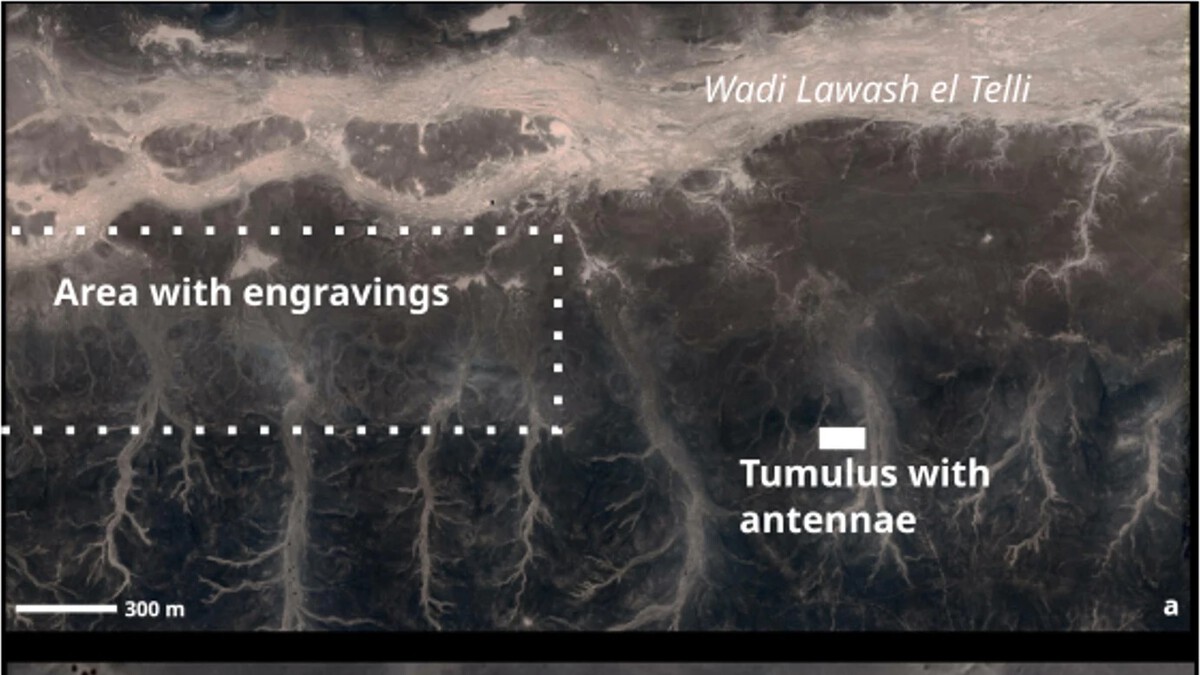
Excavated in April 2018, only half of the tomb was deliberately opened, revealing a single individual. The burial was simple: the body lay supine on the natural ground, head pointing south, legs flexed westward, without a pit. A modest adornment of four ostrich eggshell beads accompanied the deceased.
How Did Archaeologists Finally Date the Tomb?
Initial dating attempts using collagen analysis failed, likely due to poor preservation in the harsh desert environment. In 2025, the team turned to a different technique—likely radiocarbon dating of the ostrich eggshell beads or other organic material—to successfully establish the timeline. This methodological shift proved crucial.
The resulting date range of 2467–2150 BC places the tomb in the late third millennium BC, a period when nomadic pastoralists roamed the Sahara. The findings were reported by Archaeology Magazine, highlighting the collaboration between Spanish and Sahrawi institutions.
Why Does This Discovery Matter?
This dating provides a concrete chronological anchor for a type of monument that has been poorly understood. The 'antenna' tomb is part of a broader tradition of funerary structures in the Sahara, but precise dates are rare. Knowing that this individual was buried around 4,500 years ago helps researchers trace the spread of cultural practices across North Africa.
Moreover, the burial's simplicity—no elaborate grave goods, just a few beads—suggests a society that valued modesty in death or had limited resources. It also underscores the adaptability of ancient peoples to extreme environments.
- The tomb dates to 2467–2150 BC, bridging a gap in Saharan prehistory.
- Only half the structure was excavated, preserving it for future study.
- The burial contained one adult aged 25–35, with ostrich eggshell beads.
- Collagen dating failed; a newer method succeeded in 2025.
- The site is near significant rock art, indicating a rich cultural landscape.
What Does the Burial Reveal About Ancient Saharans?
The body's position—head south, legs west—may hold symbolic meaning, though interpretations vary. The ostrich eggshell beads are among the earliest known personal ornaments in the region, suggesting trade or craftsmanship. Such beads were often used in life and death, possibly indicating status or identity.
The lack of a formal pit and the placement on natural ground hint at a rapid burial or specific ritual practices. Compared to other Saharan tombs, this one is relatively modest, which might reflect the individual's social standing or the community's customs. The background to this story is set out in Christopher Nolan's Odyssey Filming in Occupied Western Sahara Sp. A related thread runs through Christopher Nolan’s Odyssey Film Set on Occupied Western Sahara L.
Comparison of Saharan Tomb Types
| Tomb Type | Characteristics | Typical Date Range | Example |
|---|---|---|---|
| Antenna Tomb | Oval mound with two rows of slabs extending east | 2467–2150 BC | Sluguilla Lawash |
| Chambered Tomb | Stone chamber with entrance | 3000–2000 BC | Northern Sahara |
| Stele Tomb | Vertical stone markers | 2500–1500 BC | Central Sahara |
What to Watch Next in Saharan Archaeology
Future excavations at Sluguilla Lawash could uncover more tombs and artifacts, helping to build a regional chronology. The team's success with alternative dating methods may encourage similar approaches at other sites where collagen is poorly preserved. Earlier coverage in Hickman Crater: How Google Earth Revealed a 260-Meter Meteorite Impact shows how the argument developed. A closer look at the same subject appears in Trending: latest articles.
Additionally, the rock art at the site—1,143 engraved rocks—remains a treasure trove for understanding symbolic expression. Linking the tomb to the art could reveal beliefs about death and the afterlife. Anyone following the wider picture can start with Juan Vicente Vegazo: The Pioneer Who Discovered a Roman City. The same theme surfaces in Lidl's $7.99 Wireless Weather Station Solves Home Humidity, which takes a different angle.
FAQ
What is the 'antenna' tomb in the Sahara?
It is a 55-meter funerary monument consisting of an oval stone mound with two rows of slabs extending eastward, resembling antennas. It was excavated in 2018 and recently dated to 2467–2150 BC.
How was the tomb dated?
Initial collagen dating failed, so in 2025 researchers used an alternative technique, likely radiocarbon dating of ostrich eggshell beads, to determine the age.
Who was buried in the tomb?
The tomb contained a single individual aged 25–35, buried supine with head south and legs flexed west, accompanied by four ostrich eggshell beads.
Why is this discovery significant?
It provides a rare precise date for a Saharan funerary structure, shedding light on nomadic cultures and burial practices around 4,500 years ago.
Browse the Shop
 Acacia frida deluxe solid wood bed frame |
Bedroom bench |
Bed chest drawers |
Lingerie dresser |
Frame base |
Mirror with jewelry storage |
30 Bathroom Vanity |
Memory foam queen mattress |
Mattresses for back pain |
Nightstand set of 2 |
Grand Goldman Shop |
Civil Lawyer
Deutschland Trikot WM 2026







