

Private label brands are now the real winner in Spain's supermarket war, as new data shows Mercadona's market share stabilizing while competitors like Lidl, DIA, and Aldi gain ground. The latest report from Worldpanel by Numerator reveals that store brands are increasing their penetration across major chains, reshaping the retail landscape.
Mercadona's Dominance Faces New Challenges
Mercadona remains the clear leader in Spain's grocery sector, capturing 27.2% of national market value between January and April 2026. However, this figure represents a stabilization rather than growth, signaling that the Valencia-based chain may be reaching its peak.
Find Original Home Decor sparking conversation at Grand Goldman Shop.

Meanwhile, Carrefour holds the second position with 9% market share, followed by Lidl at 7.3%. The gap between Mercadona and its closest rivals remains substantial, but the momentum has shifted.
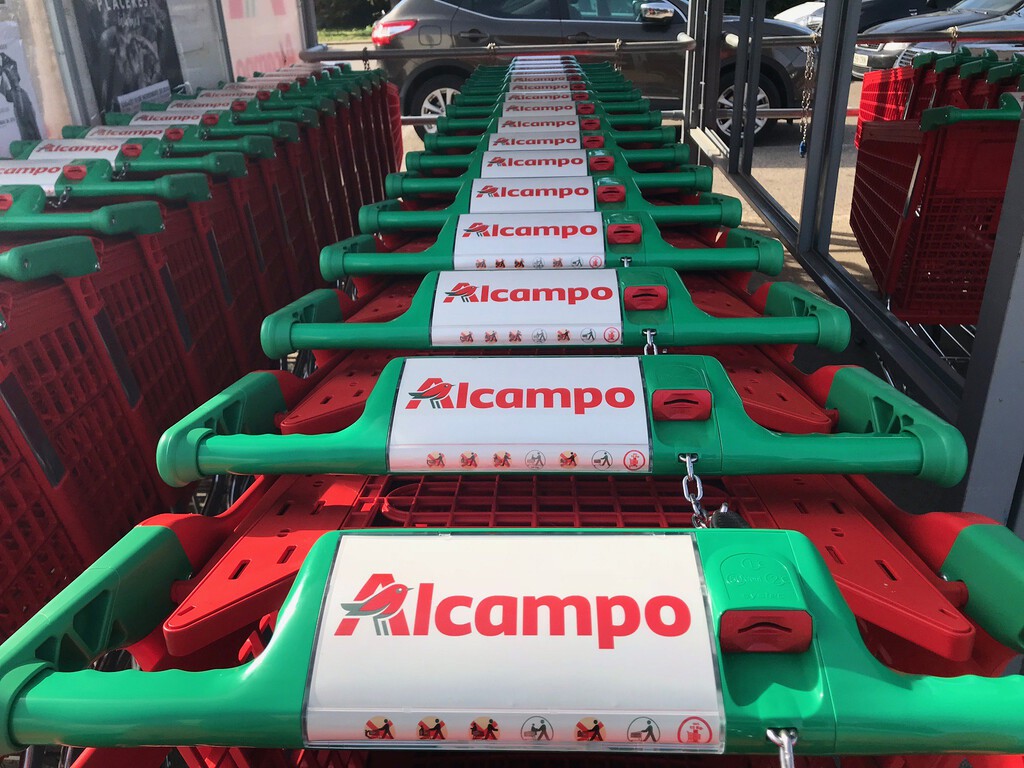
Private Label Brands Gain Momentum
The report highlights a long-building trend: private label products are gaining weight among major supermarket chains. This shift reflects changing consumer preferences for value and quality, as shoppers increasingly trust store brands.
Discount retailers like Lidl and Aldi have successfully leveraged their private label offerings to attract budget-conscious consumers. Even traditional supermarkets are expanding their own-brand ranges to compete.
Key Takeaways from the Worldpanel Report
- Mercadona leads with 27.2% market share but shows signs of stabilization.
- Carrefour (9%) and Lidl (7.3%) follow, with Lidl showing stronger growth.
- Private label brands are gaining traction across all major chains.
- Discount formats are driving growth through aggressive private label strategies.
- Consumer demand for value continues to shape retail dynamics.
Competitive Landscape: Who's Gaining Ground?
While Mercadona's share has plateaued, Lidl, DIA, and Aldi have outpaced it in growth during the first four months of 2026. These chains have capitalized on their private label strength and competitive pricing.
The data suggests that Spanish shoppers are increasingly open to alternatives, particularly as economic pressures persist. The ability to offer quality private label products at lower prices has become a key differentiator.
Market Share Comparison
| Supermarket Chain | Market Share (Jan-Apr 2026) | Trend |
|---|---|---|
| Mercadona | 27.2% | Stabilizing |
| Carrefour | 9.0% | Steady |
| Lidl | 7.3% | Growing |
| DIA | — | Growing |
| Aldi | — | Growing |
Note: DIA and Aldi shares not specified in the excerpt; both noted as growing. The background to this story is set out in Private Label Brands Now Drive 60% of Spain's Grocery Spending. A related thread runs through Mercadona Market Share Stalls: What the Data Reveals. Earlier coverage in Consum Overtakes Mercadona in Valencia Retail Space Race shows how the argument developed.
What This Means for Shoppers and Retailers
For consumers, the rise of private label means more choices and better value. Retailers, on the other hand, must invest in product quality and brand perception to win loyalty. A closer look at the same subject appears in Mercadona Portugal: 55% of Households Now Shop at the Chain. Anyone following the wider picture can start with Turkish Supermarket File Copies Mercadona and Now Faces EU Probe. The same theme surfaces in Mercadona to Roll Out Bizum Pay Checkout Across Spain, which takes a different angle.
Mercadona's stabilization doesn't necessarily signal decline—it may simply reflect a mature market position. However, the chain will need to innovate to fend off aggressive competitors. Context on how this played out before sits in Mercadona Juice Theft: Shoplifting or Robbery? 2-Year Sentence Sought. A companion piece, Verdifresh Sales Surge 19% on Mercadona Partnership, approaches the same subject from another angle.
FAQ
What is the market share of Mercadona in Spain?
Mercadona holds a 27.2% market share in Spain by value for the period January to April 2026, according to Worldpanel by Numerator.
Which supermarkets are growing fastest in Spain?
Lidl, DIA, and Aldi are outpacing Mercadona in growth, largely due to their strong private label offerings and competitive pricing.
Why are private label brands gaining popularity in Spain?
Private label brands offer better value for money, and consumers are increasingly trusting their quality. Economic pressures have also driven shoppers to seek affordable alternatives.
What does the Worldpanel report measure?
The Worldpanel report measures market share by value for major supermarket chains in Spain, as well as the penetration of private label products.
What to Watch Next
As the battle for Spanish grocery spend intensifies, all eyes will be on whether Mercadona can reignite growth or if private label-focused competitors will continue to erode its lead. The next quarter's data will reveal whether these trends are temporary or here to stay.
For now, the message is clear: in Spain's supermarket war, private label brands are the ones winning.
Browse the Shop
 Acacia frida deluxe solid wood bed frame |
Bedroom bench |
Bed chest drawers |
Lingerie dresser |
Frame base |
Mirror with jewelry storage |
30 Bathroom Vanity |
Memory foam queen mattress |
Mattresses for back pain |
Nightstand set of 2 |
Grand Goldman Shop |
Civil Lawyer
Deutschland Trikot WM 2026







