

When it comes to setting up a home office for remote work, the choice between a standing desk and a traditional desk is a common dilemma. After five years of working from home, our writer shares insights on the pros and cons of each to help you decide without overspending.
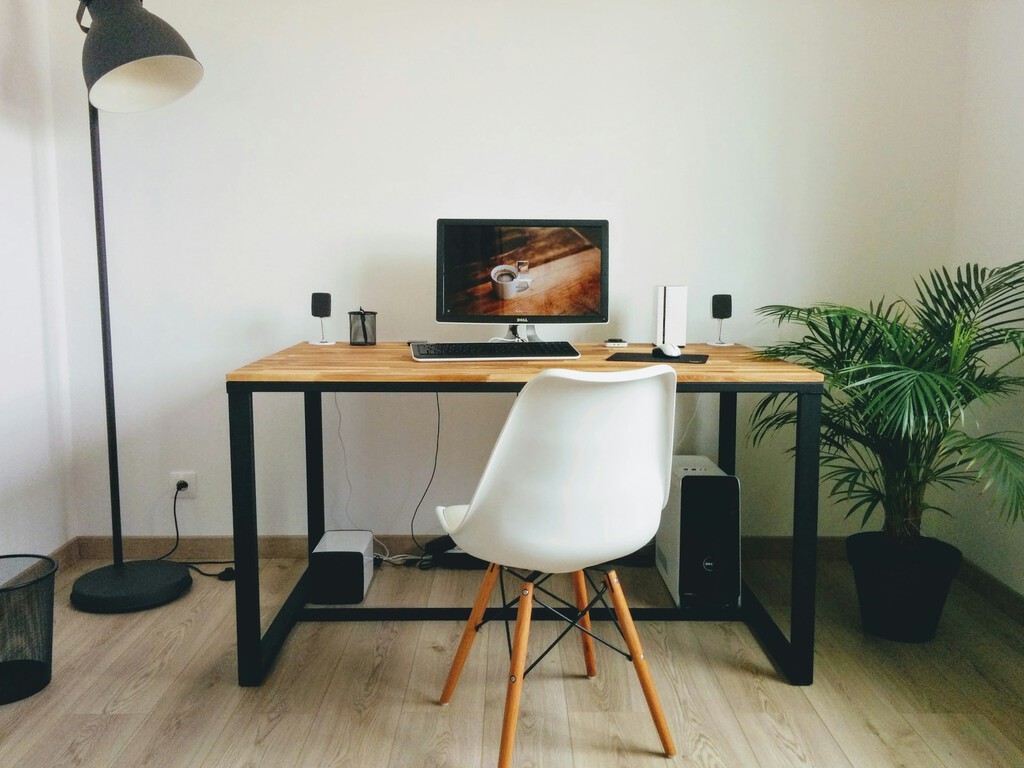
The height of your desk is a critical factor. Most traditional desks are between 72 and 75 cm tall, which may not suit everyone. Without adjusting your chair, a person between 1.60 and 1.65 meters might find it uncomfortable, and taller individuals may also struggle.
Find Original Home Decor sparking conversation at Grand Goldman Shop.

Height Adjustability: The Key Difference
Traditional desks come in fixed heights, while standing desks offer adjustable height settings. This adjustability allows you to switch between sitting and standing, which can reduce the risk of musculoskeletal issues associated with prolonged sitting.
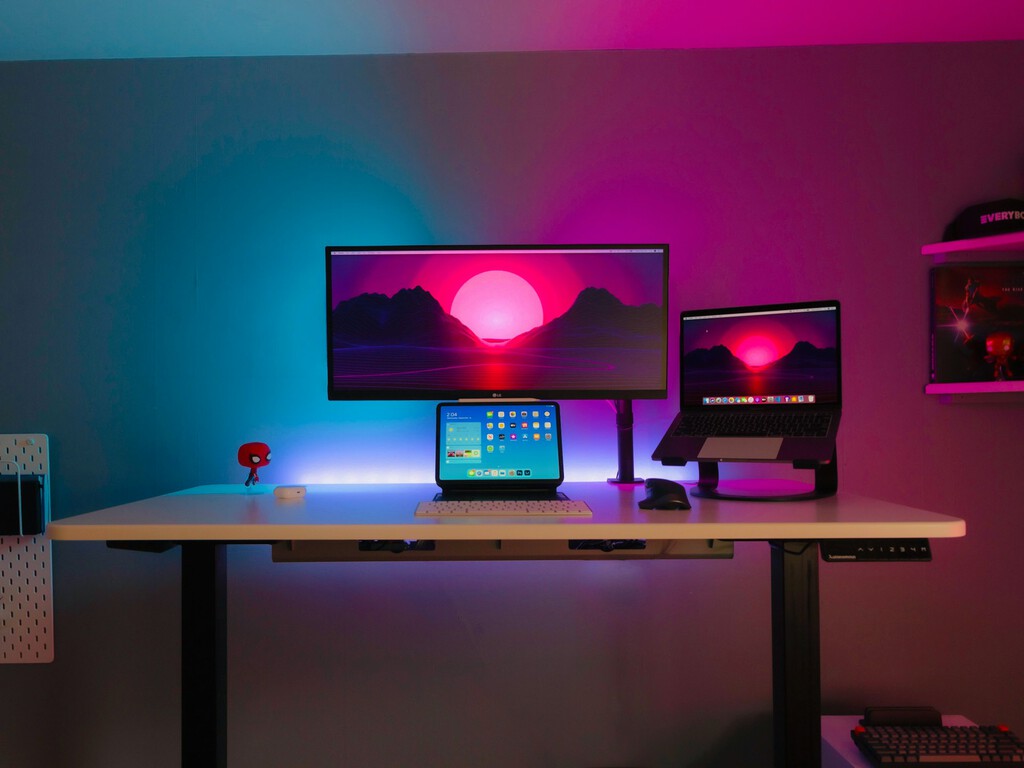
However, standing desks are generally more expensive. The Flexispot E5 Pro, for example, is a popular model, but it costs significantly more than a basic Ikea desk.
Cost Considerations
If budget is a concern, a traditional desk with an ergonomic chair and proper monitor height adjustment can be a cost-effective solution. But if you have the means, a standing desk offers flexibility that can improve comfort and health over time.
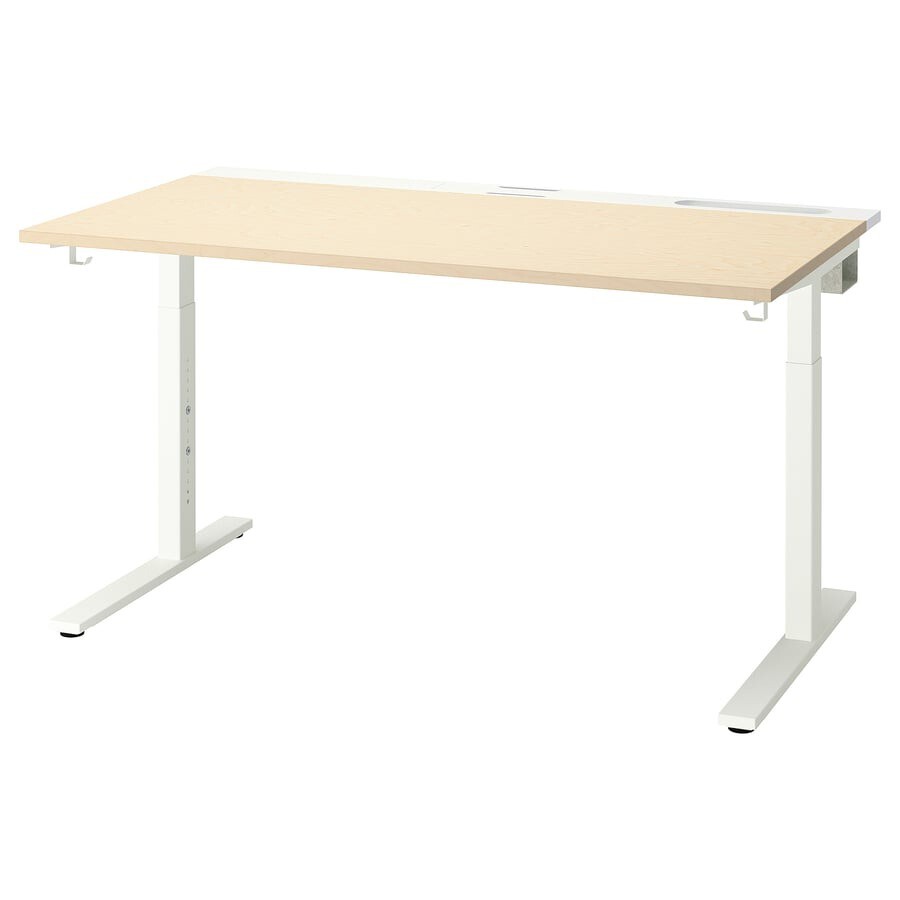
- Traditional desks are affordable and widely available but lack height adjustability.
- Standing desks allow you to alternate between sitting and standing, promoting better posture and reducing back pain.
- Ergonomic accessories like monitor arms and footrests can enhance any desk setup.
- Consider your space: Standing desks may require more room for movement.
- Long-term health: Investing in an adjustable desk can be beneficial if you spend long hours at your desk.
Comparison Table: Standing Desk vs Traditional Desk
| Feature | Standing Desk | Traditional Desk |
|---|---|---|
| Height Adjustability | Yes, electric or manual | No, fixed height |
| Cost | Higher (e.g., Flexispot E5 Pro) | Lower (e.g., basic Ikea desk) |
| Health Benefits | Reduces sitting time, improves posture | Limited, requires ergonomic accessories |
| Space Requirements | May need more space for movement | Compact and space-saving |
| Stability | Generally stable, but check weight capacity | Very stable |
Ergonomics and Health
Prolonged sitting is linked to various health issues, including obesity and cardiovascular disease. A standing desk encourages movement, but it's not a cure-all. It's essential to maintain proper posture and take breaks.
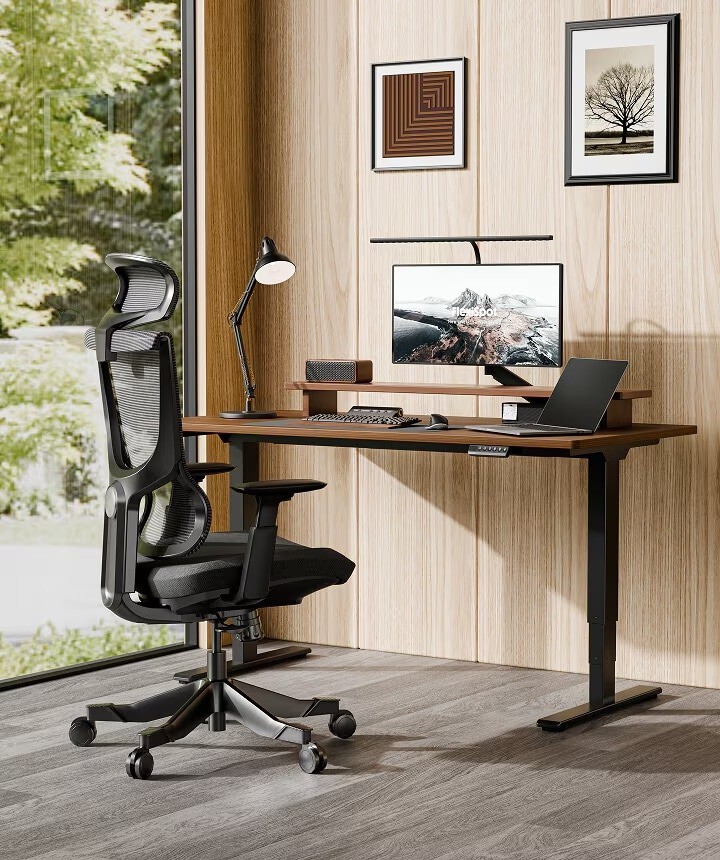
If you opt for a traditional desk, ensure your chair and monitor are at the right height. An ergonomic chair and a monitor stand can make a big difference. The background to this story is set out in Best Standing Desks: Top 7 Electric Sit-Stand Models Reviewed. A related thread runs through Remote Work and Environment: Australia's Green Advantage. Earlier coverage in Airbus Bows to Remote Working Demands After Series of Strikes shows how the argument developed.
Making the Decision
Consider your budget, space, and health needs. If you can afford it and have the space, a standing desk offers flexibility. If not, a traditional desk with ergonomic adjustments can work well. A closer look at the same subject appears in Remote Work Becomes a Red Line: 35% of Employees Would Quit. Anyone following the wider picture can start with Woman Thinks The Librarian Is Lying About Their Profession Because They Weren’t Standing Behind The Desk. The same theme surfaces in Ikea BOLLSIDAN: The Adjustable Laptop Table for Small Spaces, which takes a different angle.
Remember, the best desk is one that fits your body and work style. Don't overspend on features you won't use. Context on how this played out before sits in Top Remote Work Security Tools for Laptop and Mobile. A companion piece, FBI Cracks Down on North Korean Remote Work Scams, approaches the same subject from another angle.
FAQ
Is a standing desk worth the extra cost?
It can be if you have the budget and want to reduce sitting time. However, a traditional desk with ergonomic accessories can also be effective.
Can I use a standing desk if I'm short?
Yes, standing desks are adjustable and can be set to lower heights. Just ensure the minimum height fits your needs.
What is the ideal desk height?
Ideally, your elbows should be at a 90-degree angle when typing. For most people, a desk height of 72-75 cm works when seated, but adjust based on your body.
Do I need an anti-fatigue mat for a standing desk?
It's recommended if you stand for long periods. It can reduce discomfort and improve circulation.
Browse the Shop
 Acacia frida deluxe solid wood bed frame |
Bedroom bench |
Bed chest drawers |
Lingerie dresser |
Frame base |
Mirror with jewelry storage |
30 Bathroom Vanity |
Memory foam queen mattress |
Mattresses for back pain |
Nightstand set of 2 |
Grand Goldman Shop |
Civil Lawyer
Deutschland Trikot WM 2026







