

Super-commuting in Spain is on the rise, with more people driving 200 kilometers or more each day to get to work. This trend, known in English as super-commuting, reflects a growing reality where affordable housing forces workers to live far from their jobs.
For many, the trade-off between cheaper rent and long drives is becoming a daily grind, affecting finances, time, and well-being.
Find Original, High-end Home Decor that spark conversation at Grand Goldman Shop.

What Is Super-Commuting and Why Is It Growing in Spain?
Super-commuting refers to long-distance daily commutes, typically over 90 minutes each way or more than 100 kilometers. In Spain, this phenomenon is gaining attention as housing costs in cities and coastal areas soar.
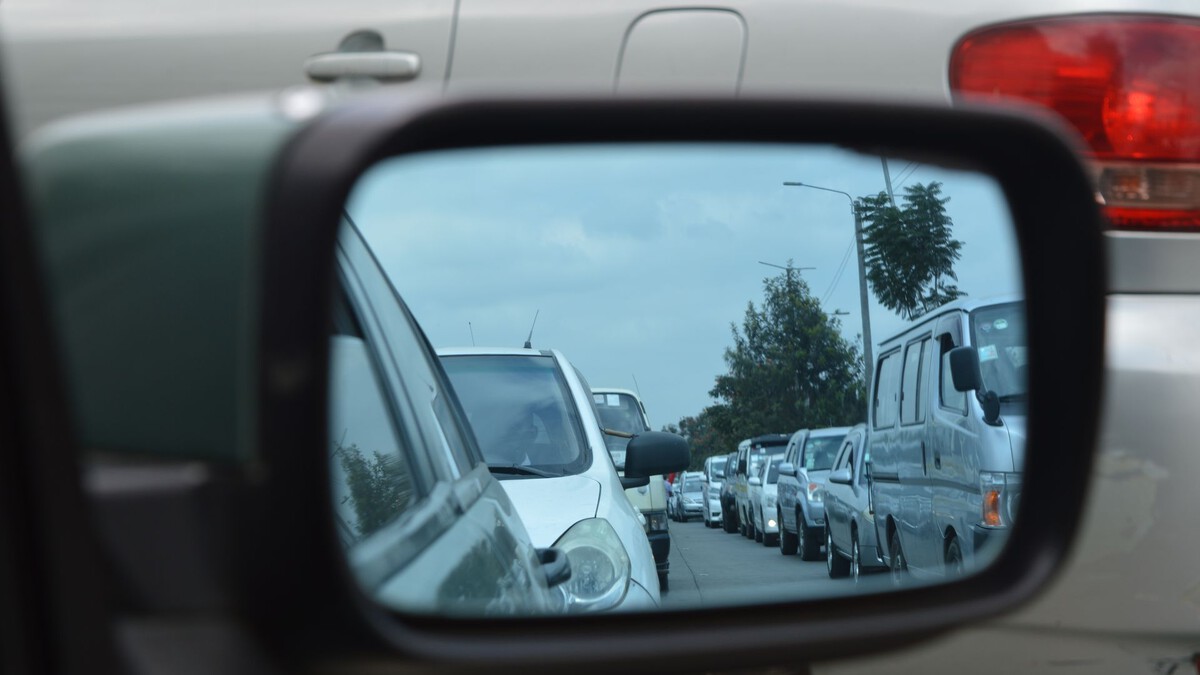
Workers like María Inmaculada Jiménez, a restaurant manager in La Cala de Mijas (Málaga), drive 220 kilometers round-trip daily from her home in Mollina. She told El Mundo that she couldn't afford a house on the coast, so the long drive is a necessary sacrifice.
This case is extreme but not isolated. The core issue remains: salaries are insufficient to cover housing near work, pushing people to the outskirts.
The Hidden Costs of Long-Distance Commuting
While saving on rent might seem like a win, the costs of super-commuting add up quickly. Fuel, vehicle maintenance, tolls, and depreciation take a significant bite out of any savings.
Beyond money, time is a major factor. A 200-kilometer round trip can take two to three hours daily, reducing time for family, rest, and leisure. Studies show that long commutes can lead to stress, fatigue, and lower productivity.
Moreover, the environmental impact of increased car usage contributes to pollution and carbon emissions, countering sustainability efforts.
Data and Trends: What the Studies Say
A Stanford study of two million commutes in the ten largest US cities found that trips of 40 miles (about 64 km) or more increased from 15.8% to 18.5% of total commutes since the pandemic. Super-commutes of 75 miles (about 120 km) or more grew by nearly a third, reaching around 3% of all trips, often costing about two hours and twenty minutes each way.
In Spain, similar patterns are emerging, although comprehensive data is limited. The trend is driven by younger people and higher-income earners who can tolerate long commutes if they gain space and quality of life.
Remote work has also enabled some to live farther away, commuting only once or twice a week. However, for those who must be on-site daily, the burden is heavier.
Who Is Affected and What It Means for Workers
Super-commuting affects a range of workers, from hospitality staff to healthcare professionals, who cannot afford housing near their workplaces. It also impacts families, as long hours on the road reduce time spent at home.
For many, the decision to super-commute is a rational response to a housing market that has outpaced wage growth. But it comes with trade-offs: less sleep, higher expenses, and potential health issues.
Employers may also feel the effects through higher turnover and absenteeism, as exhausted employees struggle to maintain performance.
The Bigger Picture: Housing, Salaries, and Infrastructure
The rise in super-commuting highlights structural issues in Spain's housing and labor markets. Insufficient affordable housing near job centers forces workers to live farther away.
At the same time, salaries have not kept pace with housing costs, particularly in tourist-heavy regions like the Costa del Sol. Improved public transportation and flexible work policies could help mitigate the trend, but without addressing the root causes, super-commuting is likely to persist.
Some experts argue that technology enabling remote work is not a solution in itself; the fundamental problem remains inadequate wages relative to living costs. The background to this story is set out in Trending: latest articles.
Key Takeaways
- Super-commuting in Spain is increasing due to high housing costs and insufficient salaries.
- Long daily drives incur financial, time, and health costs that often outweigh rental savings.
- Studies show a rise in long commutes, especially among younger and higher-income workers.
- Addressing housing affordability and improving public transit are essential to reduce super-commuting.
Comparing Commuting Costs: Example Scenario
| Expense | Monthly Cost (approx.) | Notes |
|---|---|---|
| Fuel | €200-€300 | For 200 km daily, 20 days/month |
| Vehicle Maintenance | €50-€100 | Increased wear and tear |
| Tolls | €0-€150 | Depending on route |
| Time Cost | 40-60 hours | Opportunity cost of driving |
| Rent Savings | €300-€600 | Compared to city living |
As the table shows, while rent savings may seem substantial, they are often offset by commuting expenses and lost time. A related thread runs through Matt Damon's The Last Duel: The 2021 Armor Movie You Missed. Earlier coverage in Pamplona Homeless Crisis: 155 Shelter Beds for 200 People shows how the argument developed.
FAQ
What is super-commuting?
Super-commuting refers to long-distance daily commutes, typically over 90 minutes each way or more than 100 kilometers. It often involves driving long distances to work due to housing affordability issues.
Why are more people in Spain super-commuting?
More people in Spain are super-commuting because housing costs near job centers have risen faster than salaries, forcing workers to live in more affordable areas farther away.
What are the main costs of super-commuting?
The main costs include fuel, vehicle maintenance, tolls, and time. There are also health and environmental impacts to consider.
Can remote work reduce super-commuting?
Remote work can reduce the frequency of super-commuting for some workers, but it is not a solution for those who must be on-site daily. It may also encourage people to live farther away, potentially increasing commute lengths when they do travel.
Browse the Shop
 Acacia frida deluxe solid wood bed frame |
Bedroom bench |
Bed chest drawers |
Lingerie dresser |
Frame base |
Mirror with jewelry storage |
30 Bathroom Vanity |
Memory foam queen mattress |
Mattresses for back pain |
Nightstand set of 2 |
Grand Goldman Shop |
Civil Lawyer
Deutschland Trikot WM 2026










