

Trent Park, a luxury mansion in north London, became the unlikely setting for one of World War II's most ingenious intelligence operations: bugging Hitler's generals. During the war, Britain needed to uncover the secrets of Hitler's military machine, but captured German officers knew better than to talk under interrogation. The British solution was far more subtle—and devious.
Instead of questioning them, British intelligence housed dozens of German generals and officers in a comfortable country estate, complete with libraries, English lessons, servants, and even excursions. The prisoners, unaware that the entire house was wired for sound, began to talk among themselves—revealing invaluable information.
Find Original Home Decor sparking conversation at Grand Goldman Shop.

The Deceptive Mansion: Trent Park Before the War
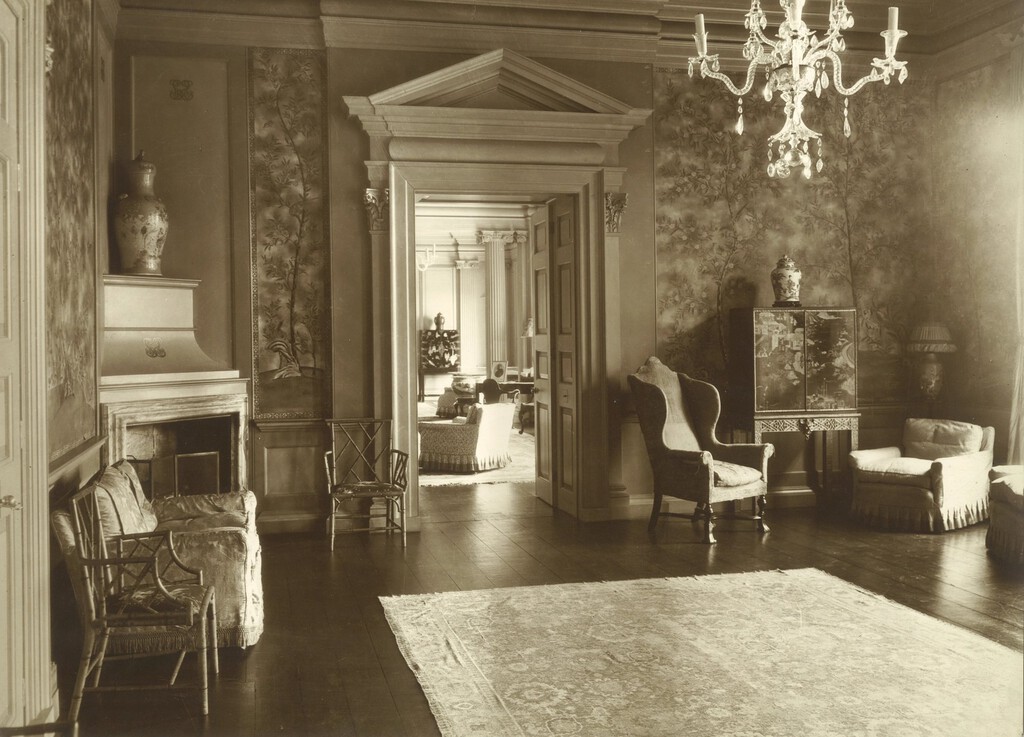
Before the war, Trent Park was the epitome of luxury. Owned by Sir Philip Sassoon, a politician, collector, and aesthete, the property had been transformed in the 1920s into a sophisticated neo-Georgian residence. It featured antiques, Chinese wallpaper, and portraits by artists such as John Singer Sargent.
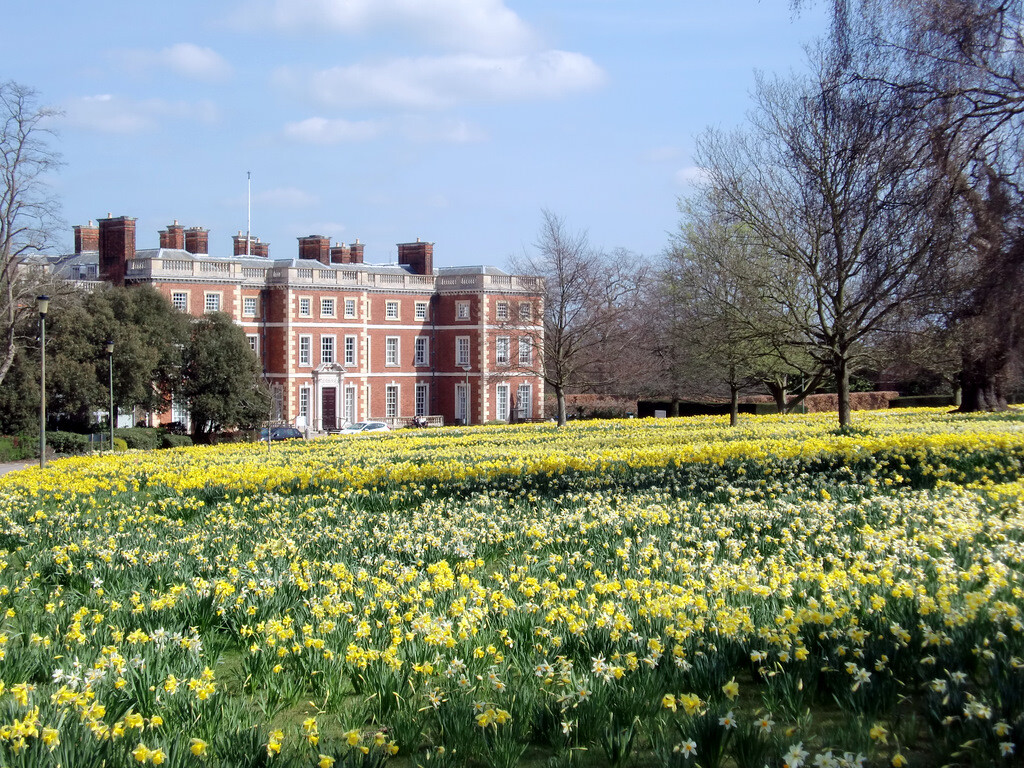
Guests included Charlie Chaplin and Winston Churchill. Sassoon died in June 1939, and when war broke out three months later, the British government requisitioned the estate and found a completely different use for this privileged setting.

The Strategy: Better Not to Interrogate
Thomas Kendrick, one of the key figures in British intelligence, had previously experienced the limitations of traditional interrogation. He knew that high-ranking German officers would resist direct questioning. So he devised a plan: create an environment so comfortable that the prisoners would let their guard down and speak freely.
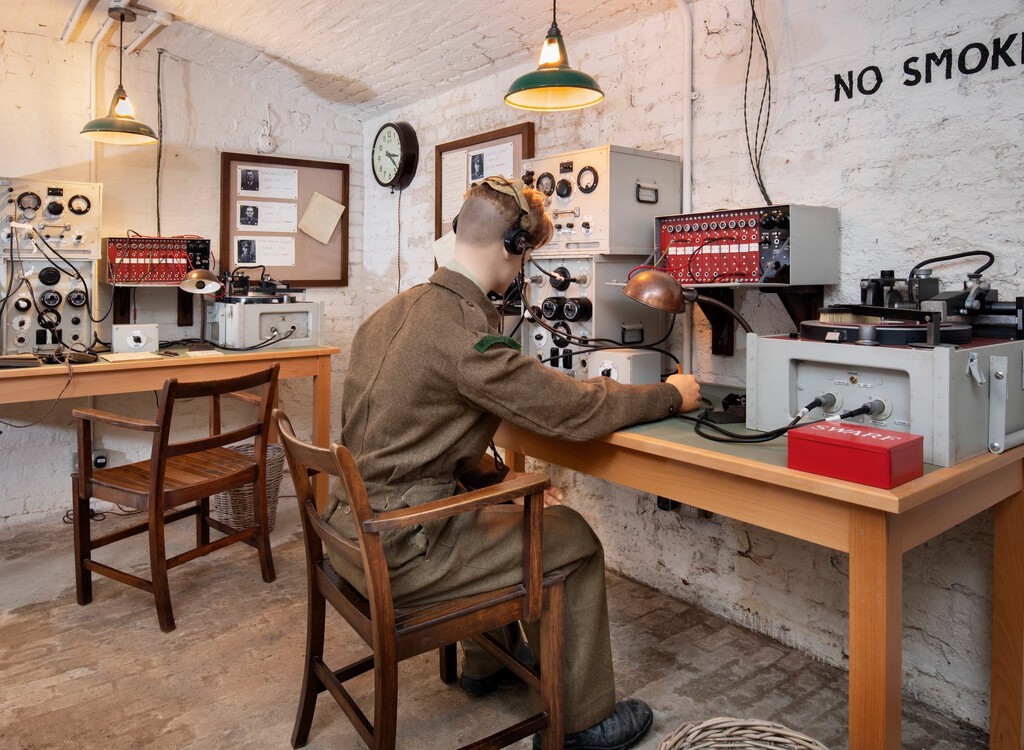
The mansion was fitted with hidden microphones throughout, and a team of listeners monitored conversations around the clock. The prisoners, many of whom were aristocrats and believed they were being treated with the respect due to their rank, had no idea that their every word was being recorded.
Life at Trent Park: Luxury and Surveillance
The German generals were treated to a lifestyle that far exceeded typical prisoner-of-war conditions. They had comfortable rooms, access to a library, English classes, servants, and even supervised excursions. This was all part of the ruse to make them feel at ease.
Among the prisoners were some of Hitler's most senior commanders, including generals who had been involved in major campaigns. Their conversations, often laced with bravado and frustration, provided British intelligence with crucial insights into Nazi plans, tactics, and internal conflicts.
Key Takeaways from the Trent Park Operation
- Britain used a luxury mansion to secretly record German generals during WWII.
- The operation relied on comfort and relaxation to encourage prisoners to talk.
- Hidden microphones captured valuable military intelligence.
- The strategy exploited the prisoners' arrogance and sense of superiority.
- Trent Park provided insights into Nazi military thinking and internal disputes.
What the Generals Revealed
The recordings from Trent Park yielded a wealth of information. The generals discussed military strategies, expressed doubts about Hitler's leadership, and even revealed details about secret weapons programs. They also spoke about their own roles in the war, sometimes incriminating themselves in war crimes.
One of the most significant revelations was the extent of the German resistance to Hitler within the military hierarchy. The generals' conversations provided a window into the plots and frustrations that would eventually culminate in the July 20 assassination attempt.
The Technology and the Team Behind the Bugs
The operation was a collaboration between British intelligence and the War Office. Technicians installed microphones in lamps, walls, and furniture, and a team of German-speaking listeners transcribed the conversations. The transcripts were then analyzed for actionable intelligence.
The success of Trent Park led to similar operations at other sites, such as Latimer House and Wilton Park. These combined efforts gave Britain a significant advantage in understanding the enemy's mindset and capabilities. The background to this story is set out in Trending: latest articles.
| Aspect | Details |
|---|---|
| Location | Trent Park, north London |
| Owner before war | Sir Philip Sassoon |
| Key figure | Thomas Kendrick |
| Prisoners | German generals and officers |
| Surveillance method | Hidden microphones throughout the mansion |
| Notable guests pre-war | Charlie Chaplin, Winston Churchill |
Why Trent Park Mattered
The intelligence gathered at Trent Park helped Britain anticipate German moves and understand the fractures within the Nazi high command. It also provided evidence of war crimes, which would be used in post-war trials. A related thread runs through Missing California Hiker Found Dead on Mount Whitney. Anyone following the wider picture can start with Retirement Age 2026: Minimum Age and How to Know When You Can Retire.
More than that, Trent Park demonstrated the power of psychological operations. By treating prisoners with apparent generosity, the British turned their own arrogance against them. The mansion's luxury was not just a cover—it was a weapon. Earlier coverage in Fleetwood Shock Arsenal: Carabao Cup Penalty Upset Stuns Football shows how the argument developed. A closer look at the same subject appears in Trent Park: The Luxury Mansion That Bugged Hitler's Generals.
FAQ
What was Trent Park used for during WWII?
Trent Park was a luxury mansion requisitioned by the British government and used as a prisoner-of-war camp for high-ranking German officers. It was secretly fitted with microphones to record their conversations.
Trent Park was a luxury mansion requisitioned by the British government and used as a prisoner-of-war camp for high-ranking German officers. It was secretly fitted with microphones to record their conversations.
Who were the prisoners at Trent Park?
The prisoners included dozens of German generals and officers, many of them from aristocratic backgrounds and high-ranking positions in Hitler's military.
How did the British get the generals to talk?
The British provided luxurious accommodations and amenities to make the prisoners comfortable, then relied on hidden microphones to capture their unguarded conversations with each other.
What kind of intelligence was gathered at Trent Park?
The recordings revealed military strategies, doubts about Hitler's leadership, details of secret weapons programs, and evidence of war crimes, among other insights.
The prisoners included dozens of German generals and officers, many of them from aristocratic backgrounds and high-ranking positions in Hitler's military.
The British provided luxurious accommodations and amenities to make the prisoners comfortable, then relied on hidden microphones to capture their unguarded conversations with each other.
What kind of intelligence was gathered at Trent Park?
The recordings revealed military strategies, doubts about Hitler's leadership, details of secret weapons programs, and evidence of war crimes, among other insights.
The recordings revealed military strategies, doubts about Hitler's leadership, details of secret weapons programs, and evidence of war crimes, among other insights.
Browse the Shop
 Acacia frida deluxe solid wood bed frame |
Bedroom bench |
Bed chest drawers |
Lingerie dresser |
Frame base |
Mirror with jewelry storage |
30 Bathroom Vanity |
Memory foam queen mattress |
Mattresses for back pain |
Nightstand set of 2 |
Grand Goldman Shop |
Civil Lawyer
Deutschland Trikot WM 2026







