

US buried nuclear waste in a remote atoll in the Marshall Islands, but rising sea levels now threaten to release it. Between 1946 and 1958, the United States detonated 67 nuclear devices at Bikini and Enewetak atolls, displacing communities that had lived there for generations.
The tests included underwater, surface, and atmospheric explosions, one of which was about 1,100 times more powerful than the Hiroshima bomb. The result was islands covered in soil and debris contaminated with radionuclides like plutonium-239, which has a half-life of about 24,000 years.
Find Original Home Decor sparking conversation at Grand Goldman Shop.

The Surreal Solution: A Bomb Crater as a Nuclear Dump
In the late 1970s, the US military faced a massive cleanup challenge. On Runit Island in Enewetak Atoll, the 1958 Cactus test had left a huge crater in the coral. Between 1977 and 1980, military personnel removed contaminated soil and debris from other islands and dumped it into the crater.
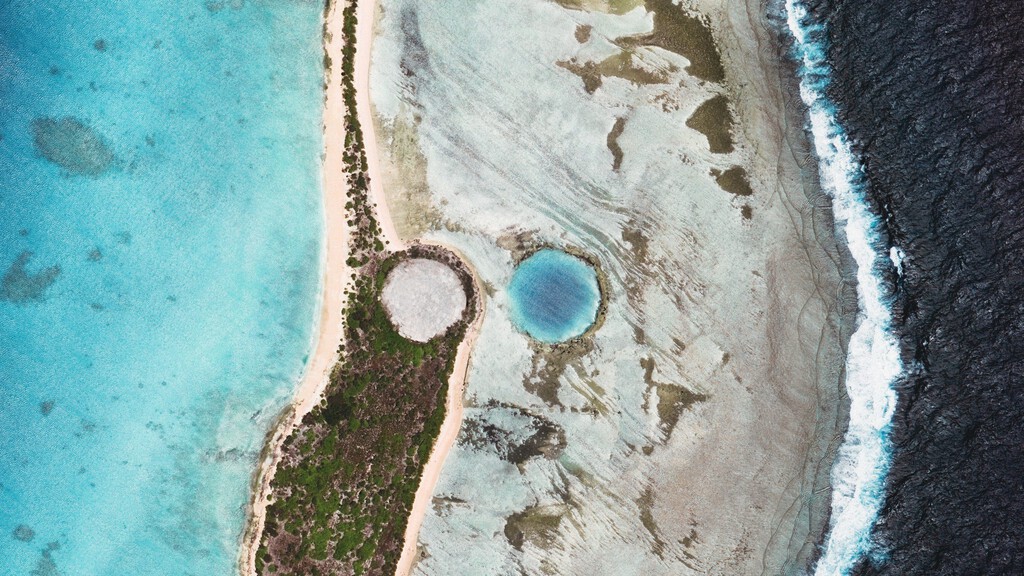
They then covered the pit with a concrete dome, creating what is now known as the Runit Dome. The dome was meant to contain the radioactive waste, but it was never designed as a permanent solution.
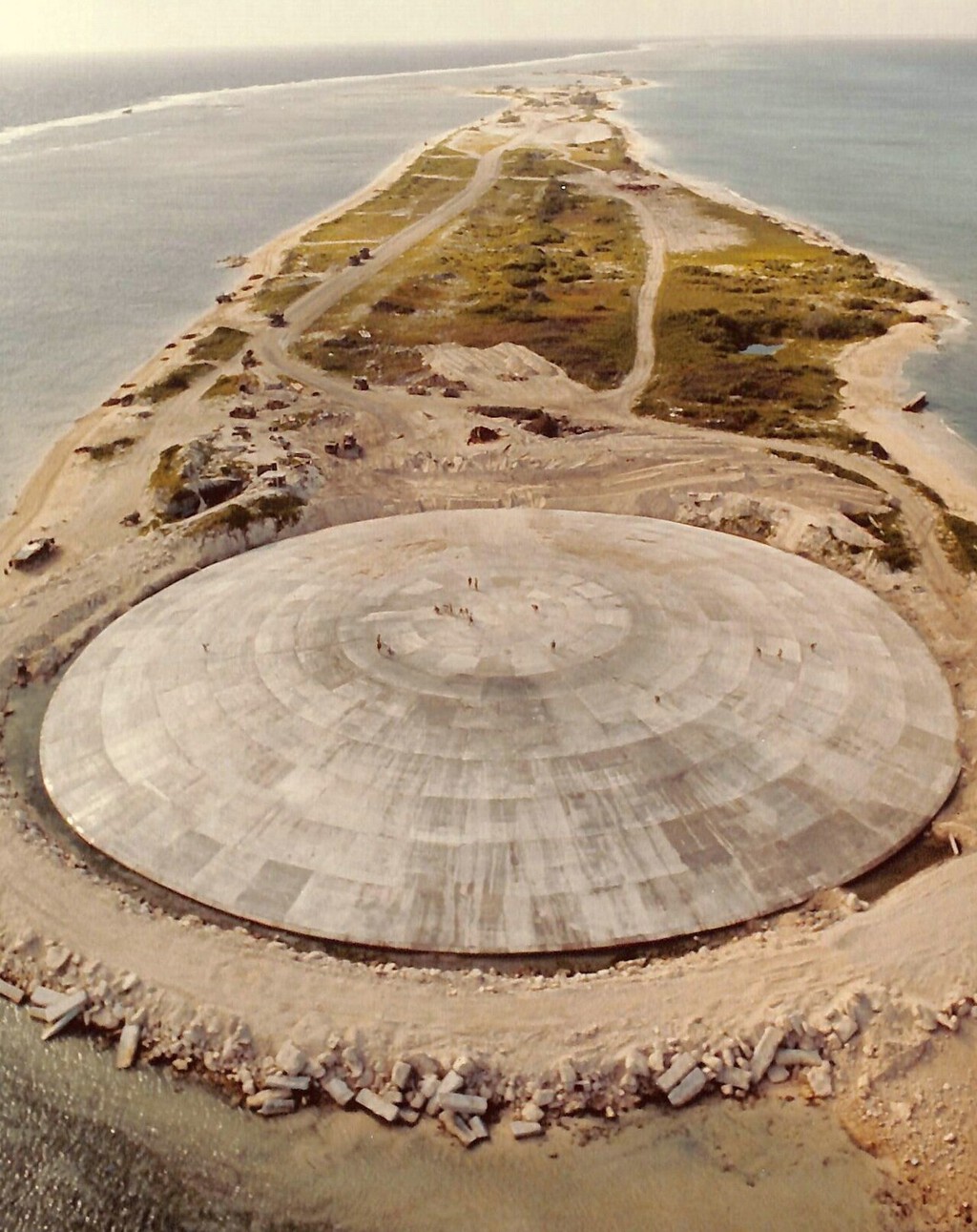
What's Inside the Dome?
The dome holds about 85,000 cubic meters of radioactive debris, including plutonium-239, cesium-137, and strontium-90. These materials can cause cancer and other health problems if they enter the food chain or water supply.
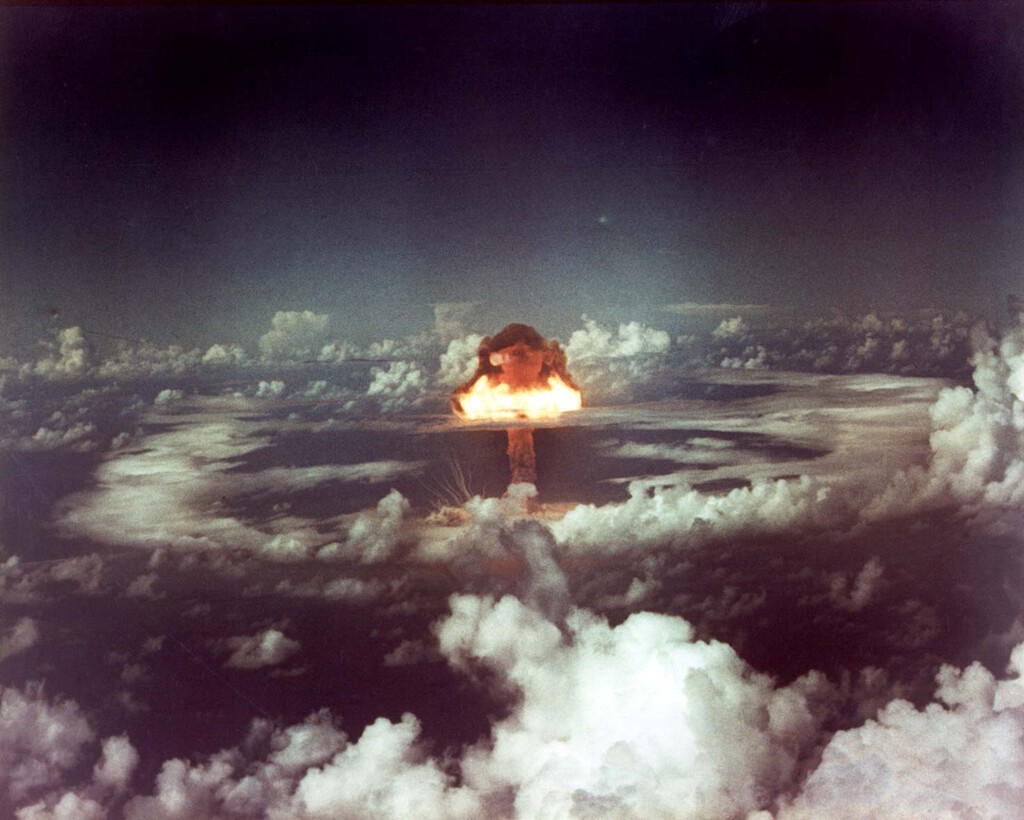
Why Sea Level Rise Is a Threat
Almost half a century later, the ocean surrounding this improvised tomb has become one of its main threats. Rising sea levels and storm surges are eroding the dome's concrete cover and could eventually breach it.
The Marshall Islands are particularly vulnerable to climate change. Sea levels are rising at about 3.4 millimeters per year globally, but in the western Pacific, the rate is higher due to natural variability and ocean currents.
If the dome is breached, radioactive material could leak into the ocean, contaminating marine life and the food supply for local communities. The US government has not fully addressed the issue, and many Marshallese feel abandoned.
The Human Cost: Displacement and Health Effects
The nuclear tests forced the relocation of entire communities. Many Marshallese still cannot return to their ancestral islands due to lingering contamination.
Health studies have shown elevated rates of cancer and other illnesses among those exposed to fallout. The US has provided some compensation, but many argue it is insufficient. Context on how this played out before sits in US Buried Nuclear Waste in a Remote Atoll, But Sea Level Rise Threatens.
What's Being Done Now?
In recent years, the Marshall Islands government has called for more action from the US. Some scientists have proposed rebuilding the dome or relocating the waste, but no plan has been implemented. The background to this story is set out in Trending: latest articles. A related thread runs through Radioactive Wasps Found at Savannah River Site: What It Means.
Meanwhile, climate change continues to accelerate. The dome is a ticking time bomb that the world cannot afford to ignore. Earlier coverage in Nuclear Waste Storage in Spain: Why One Town Said shows how the argument developed. A closer look at the same subject appears in Cortegada Island in Galicia: The World's Densest Fungal Hotspot.
Key Takeaways
- The US buried radioactive waste from 67 nuclear tests in a bomb crater on Runit Island, forming the Runit Dome.
- The dome contains plutonium-239 and other hazardous materials with long half-lives.
- Rising sea levels and storm surges threaten to breach the dome and release radioactivity.
- Local communities were displaced and continue to suffer health and environmental impacts.
- The US has not implemented a long-term solution, and the Marshall Islands are calling for action.
Comparing Nuclear Waste Sites
| Site | Location | Waste Type | Containment Method | Threat Level |
|---|---|---|---|---|
| Runit Dome | Enewetak Atoll, Marshall Islands | Plutonium-239, cesium-137, strontium-90 | Concrete dome over bomb crater | High (sea level rise, erosion) |
| Yucca Mountain | Nevada, USA | Spent nuclear fuel | Deep geological repository (proposed) | Low (if completed) |
| Onkalo | Olkiluoto, Finland | Spent nuclear fuel | Deep geological repository | Low (operational) |
The contrast is stark: while countries like Finland are building deep geological repositories, the US left a makeshift dome on a remote atoll that is now vulnerable to climate change. Anyone following the wider picture can start with Rising Seas Transformed Dry Land Into Venice Lagoon. The same theme surfaces in China's New Nuclear Battery Powers Devices for Thousands of Years, which takes a different angle.
FAQ
What is the Runit Dome?
The Runit Dome is a concrete structure built over a nuclear bomb crater on Runit Island in the Marshall Islands. It contains radioactive debris from US nuclear tests conducted between 1946 and 1958.
Why is the Runit Dome a problem?
The dome is vulnerable to rising sea levels and storm surges, which could breach its concrete cover and release radioactive material into the ocean. This would threaten marine ecosystems and the health of local communities.
What is plutonium-239 and why is it dangerous?
Plutonium-239 is a radioactive isotope with a half-life of about 24,000 years. It is hazardous to human health if inhaled or ingested, as it can cause cancer and other diseases.
Has the US done anything to fix the Runit Dome?
The US has not implemented a long-term solution. Some maintenance has been done, but the dome remains a threat. The Marshall Islands government has called for more action, but no comprehensive plan has been agreed upon.
The story of the Runit Dome is a cautionary tale about the long-term consequences of nuclear testing and the unintended impacts of climate change. As sea levels continue to rise, the world must address this legacy before it's too late.
Browse the Shop
 Acacia frida deluxe solid wood bed frame |
Bedroom bench |
Bed chest drawers |
Lingerie dresser |
Frame base |
Mirror with jewelry storage |
30 Bathroom Vanity |
Memory foam queen mattress |
Mattresses for back pain |
Nightstand set of 2 |
Grand Goldman Shop |
Civil Lawyer
Deutschland Trikot WM 2026







