

The United States is redrawing the map of its military bases in Europe, and Spain—one of the countries that has said “no to war”—is conspicuously absent from the new plan. This shift comes after Spain refused to participate in the conflict against Iran, denying the US use of its bases at Rota and Morón and blocking US aircraft from its airspace. The decision has forced Washington to rethink its military footprint across the continent.
More than 80,000 US troops are permanently stationed in Europe, spread across dozens of bases that serve as key nodes for operations in the Middle East, Africa, and Europe itself. These installations often generate thousands of local jobs and millions in investment. Any change in their location therefore signals more about global politics than about geography.
Find Original Home Decor sparking conversation at Grand Goldman Shop.

Spain’s Stand: A Clear “No” to War
From the start of the conflict, Spain drew a clear line: it would not participate in the war against Iran, nor would it facilitate the use of its bases or allow US aircraft to transit its airspace. The stance, defended by Prime Minister Pedro Sánchez under the argument of avoiding escalation and respecting international law, was not symbolic but operational. It forced the United States to redesign air routes and military logistics.
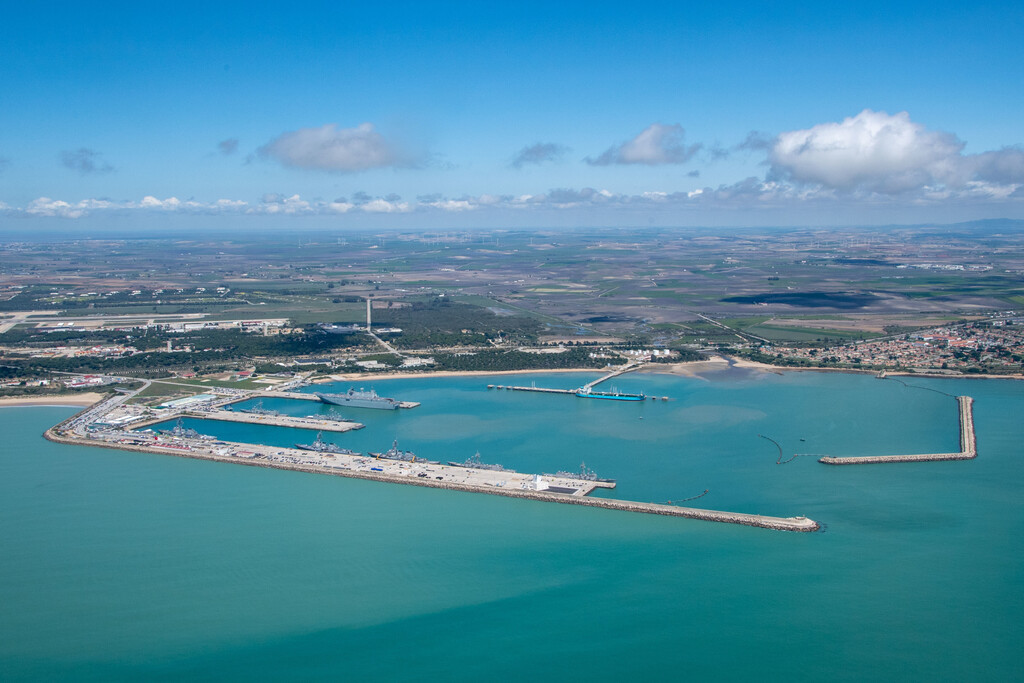
At the same time, it placed Spain in a unique position within Europe, setting it apart from other allies that cooperated, even if only in a limited way. That decision, seemingly defensive, has ended up having much deeper strategic implications.
Washington’s Response: A New Base Map
Just hours ago, a Wall Street Journal exclusive revealed that the administration of Donald Trump has begun to restructure the US military presence in Europe. The plan reportedly prioritizes countries that have shown willingness to support US operations, while reducing reliance on bases in countries that have imposed restrictions.
This realignment is not just about moving troops; it’s about signaling which allies are considered reliable partners in a changing security environment. Spain’s exclusion from the new map is a clear message that there are consequences for breaking ranks.
Key Takeaways
- Spain refused to support the US-led war against Iran, denying access to its bases and airspace.
- The US is restructuring its European base network, reportedly excluding Spain from the new plan.
- Over 80,000 US troops are permanently stationed in Europe, making any shift significant.
- Bases are not only military assets but also economic engines for local communities.
- The move underscores the growing rift between the US and some European allies over military cooperation.
Why This Matters for Europe and Beyond
The US military presence in Europe has been a cornerstone of NATO strategy for decades. Bases like Rota and Morón in Spain have been crucial for operations in the Mediterranean and Africa. Their potential downgrade could alter the balance of power in the region and force other European countries to reconsider their own stance on US-led operations.
For Spain, the decision to stand firm on principle may come with economic costs, as bases generate significant local investment. However, it also positions Spain as a vocal advocate for international law and diplomacy, potentially strengthening its soft power in Europe and beyond. The background to this story is set out in US Military Bases in Australia Spark Labor Group's Independence Call. A related thread runs through US Military Access to Australian Bases: Risks of Entanglement. Earlier coverage in US Military Bases in Australia: Saturation or Colonisation shows how the argument developed.
Comparison of Base Hosting Countries
| Country | Number of US Bases | Troop Presence | Stance on Recent US Operations |
|---|---|---|---|
| Germany | ~20 | ~35,000 | Supportive |
| Italy | ~10 | ~12,000 | Supportive |
| Spain | 2 major | ~3,000 | Opposed |
| Poland | ~5 | ~4,500 | Supportive |
| United Kingdom | ~10 | ~9,000 | Supportive |
What to Watch Next
The US is expected to announce further details of its base realignment in the coming weeks. Key questions include whether Spain’s bases will be fully abandoned or just downgraded, and how other European allies will react to the new map. The move could also accelerate European efforts to develop independent defense capabilities. A closer look at the same subject appears in Palestinian Parties Surge in Knesset, Redrawing Israel's Political Map. Anyone following the wider picture can start with US Military Bases in UK: Why Servicemen Avoid British Justice. The same theme surfaces in France and Spain Wildfires: Evacuations Exceed 250,000, which takes a different angle.
Meanwhile, Spain’s stance may inspire other countries to push back against US military demands, especially if public opinion turns against involvement in foreign conflicts. The outcome will shape the future of transatlantic relations for years to come. Context on how this played out before sits in China Deploys Thousands of Delivery Robots Across Europe. A companion piece, Russia Expands Six Libyan Air Bases as NATO Watches, approaches the same subject from another angle.
FAQ
Why is Spain excluded from the new US base plan?
Spain refused to participate in the war against Iran, denying the US use of its bases and airspace. As a result, the US is restructuring its European presence to rely more on supportive allies.
What are the economic impacts of US bases in Spain?
US bases in Spain generate thousands of local jobs and millions in investment. Their potential reduction could have significant economic consequences for surrounding communities.
How many US troops are stationed in Europe?
There are over 80,000 US troops permanently deployed in Europe, spread across dozens of bases. These forces are crucial for operations in the Middle East, Africa, and Europe.
What does this mean for NATO?
The realignment could strain NATO unity, as it highlights divisions among allies over military cooperation. It may also prompt European countries to invest more in independent defense capabilities.
Browse the Shop
 Acacia frida deluxe solid wood bed frame |
Bedroom bench |
Bed chest drawers |
Lingerie dresser |
Frame base |
Mirror with jewelry storage |
30 Bathroom Vanity |
Memory foam queen mattress |
Mattresses for back pain |
Nightstand set of 2 |
Grand Goldman Shop |
Civil Lawyer
Deutschland Trikot WM 2026







