

Messages in bottles are still being tossed into the ocean, and one man has made it his mission to collect them. In an age of instant messaging, the old-fashioned practice persists, with some bottles washing ashore decades later.
For example, in 1959 Guinness launched 150,000 bottles into the Atlantic to celebrate its bicentennial. Many decades later, some are still appearing on beaches from the Caribbean to Canada and the Arctic.
Find Original Home Decor sparking conversation at Grand Goldman Shop.

The Enduring Appeal of Messages in Bottles
People continue to cast messages in bottles adrift, as reported by The New Yorker. Despite WhatsApp, TikTok, and instant messages, some still write a few lines, seal them in a bottle, and launch them into the ocean hoping someone, somewhere, will find them.
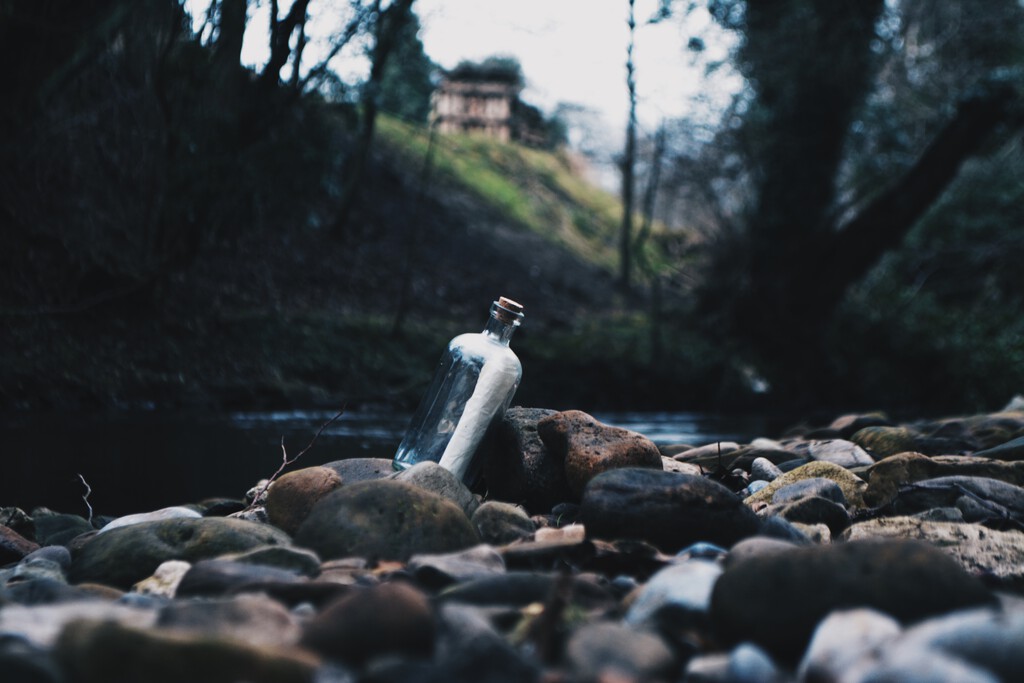
It happens more often than you might think. Oceanographer Curtis Ebbesmeyer estimates that millions of messages in bottles have been thrown into the sea since the mid-20th century, and some continue to surface decades later on remote beaches.
The reasons vary: romance, grief, curiosity, or simply the thrill of connecting with a stranger. Each bottle carries a story, and sometimes those stories resonate across generations.
Clint Buffington: The Bottle Hunter
In the Caribbean, a man named Clint Buffington has been obsessed with finding these messages for nearly two decades. What began as a chance encounter has become a kind of emotional archaeology of the ocean.
Buffington lives in Utah, far from the sea, but his passion has taken him around the world. He has found messages from strangers, broken-up couples, improvised memorials, jokes, goodbyes, and small capsules of humanity carried by impossible ocean currents.
His collection includes bottles launched by famous brands, anonymous romantics, and even children. Each find is a reminder that the ocean connects us in unexpected ways.
Notable Finds and the Science Behind Them
Some bottles have traveled thousands of miles. The Guinness bottles, for instance, were launched to celebrate the company's 200th anniversary and have been found in places as far-flung as the Caribbean, Canada, and the Arctic.
Ocean currents play a crucial role in where bottles end up. The Gulf Stream, for example, can carry objects from the Americas to Europe. Ebbesmeyer has studied these patterns and uses them to track everything from messages in bottles to shipping containers lost at sea.
But not all bottles are found by dedicated hunters. Many are discovered by beachcombers, fishermen, or curious children. Each discovery adds to the legend.
Key Takeaways
- Millions of messages in bottles have been launched since the mid-20th century.
- Ocean currents can carry bottles thousands of miles over decades.
- Clint Buffington has collected messages for nearly 20 years.
- Some bottles are still washing ashore from as far back as 1959.
- The practice persists despite modern communication technology.
Why It Matters
In a world of instant digital communication, messages in bottles offer a tangible, slow connection. They remind us that not everything needs to be immediate.
For Buffington, each bottle is a window into someone's life. He has found messages from people who have since passed away, from relationships that ended, and from children who are now adults.
The practice also highlights the problem of ocean pollution. While messages in bottles are romantic, they contribute to the growing issue of marine debris. Some environmentalists discourage the practice for this reason.
What to Watch Next
As long as people continue to launch bottles, others will continue to find them. Buffington plans to keep searching, and Ebbesmeyer continues to study ocean currents. The background to this story is set out in Ocean Cleanup Collects 1.3 Million Plastic Bottles in One Day. A related thread runs through Girlfriend Wants To Throw A Grand Birthday Party For Their 3-Year-Old Son, Man Refuses, Family Drama Ensues. Earlier coverage in Japan's Historic MMX Mission Launches to Collect Rocks shows how the argument developed.
New technology, such as GPS trackers, is sometimes used in modern bottle launches, allowing senders to track their messages in real time. But for traditionalists, the mystery is part of the appeal. A closer look at the same subject appears in Rude Old Man Throws Chair At An Employee And Wants Them Fired. Anyone following the wider picture can start with Trending: latest articles. The same theme surfaces in SS United States to Become World's Largest Artificial Reef, which takes a different angle.
Whether you find it charming or foolhardy, the phenomenon of messages in bottles shows no sign of disappearing. It is a testament to human curiosity and the desire to connect, even across vast distances and long stretches of time. Context on how this played out before sits in Ancient Roman Perfume Bottles: The Macabre Glass Dove Ritual. A companion piece, China Uses US-Funded Pacific Sensors to Find Invisible Ocean Structures, approaches the same subject from another angle.
FAQ
How long can a message in a bottle survive at sea?
Some bottles have been found after more than 50 years at sea. The Guinness bottles from 1959 are still being discovered, showing that glass bottles can withstand decades of ocean travel.
Who is Clint Buffington?
Clint Buffington is a message-in-a-bottle collector based in Utah. He has spent nearly 20 years searching for and collecting messages from around the world, amassing a large collection of bottles and their stories.
Why do people still throw messages in bottles?
People throw messages in bottles for various reasons: romance, grief, curiosity, or the thrill of connecting with a stranger. It offers a slow, tangible form of communication in a digital age.
Are messages in bottles bad for the environment?
Yes, they can contribute to ocean pollution. Glass bottles are generally less harmful than plastic, but any litter in the ocean is problematic. Some environmentalists discourage the practice.
Browse the Shop
 Acacia frida deluxe solid wood bed frame |
Bedroom bench |
Bed chest drawers |
Lingerie dresser |
Frame base |
Mirror with jewelry storage |
30 Bathroom Vanity |
Memory foam queen mattress |
Mattresses for back pain |
Nightstand set of 2 |
Grand Goldman Shop |
Civil Lawyer
Deutschland Trikot WM 2026







