

Le gouvernement américain prépare un changement majeur de la politique énergétique cet été qui pourrait réduire les coûts de l’essence à la pompe pour les conducteurs à travers le pays. Des responsables envisagent de renoncer temporairement aux normes environnementales historiques relatives à l’« essence estivale » afin d’atténuer la hausse des coûts énergétiques liée à des perturbations de l’approvisionnement mondial, selon plusieurs sources.
Ce changement réglementaire potentiel a suscité des débats parmi les groupes industriels, les défenseurs de l’environnement et les responsables politiques, avec des implications pour l’approvisionnement en carburant, la qualité environnementale et les prix à la consommation. Voici une explication claire et complète de ce que cela signifie, pourquoi cela se produit et comment les Américains pourraient en ressentir l’impact durant cette saison de conduite.
Find Bleeding Edge Supplements at Scandalous Prices on iHerb.

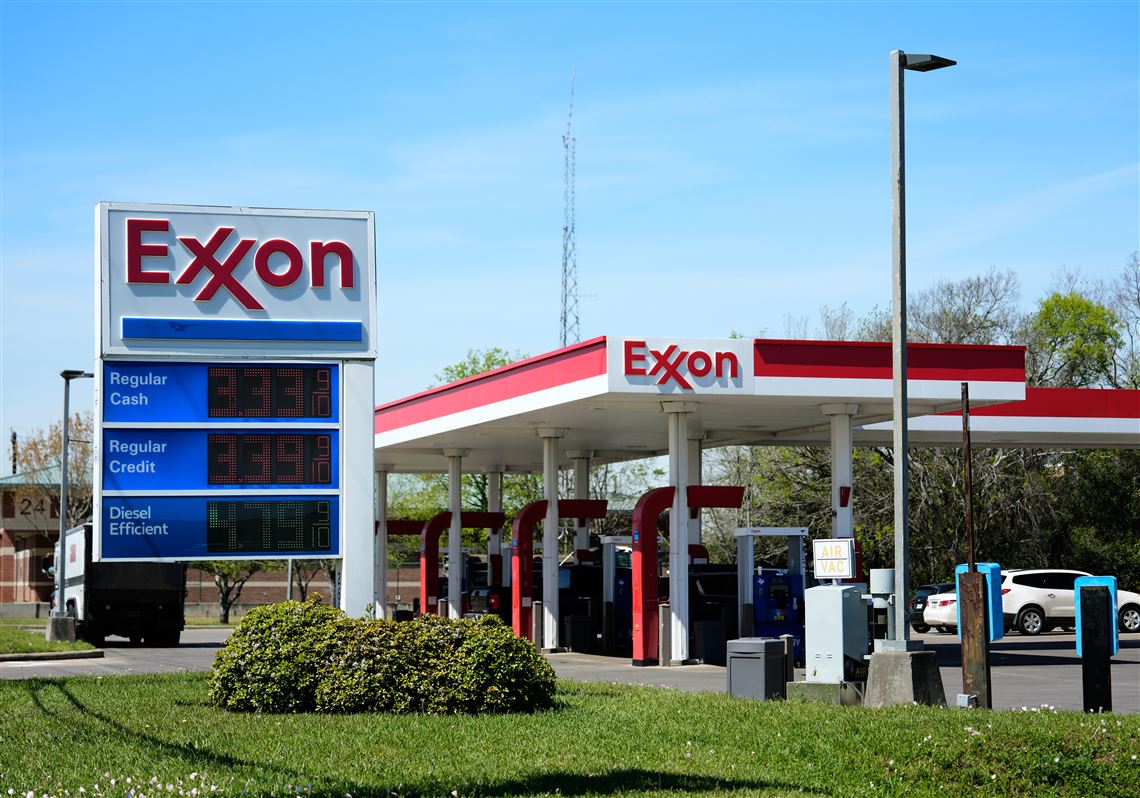
Ce qui est envisagé : renoncer aux règles estivales relatives à l’essence.
Selon la loi fédérale actuelle, les raffineurs et les détaillants doivent vendre de l’essence formulée spécifiquement pour la saison estivale — connue sous le nom de mélange estival — qui respecte des normes d’évaporation plus strictes pour réduire le smog et la formation d’ozone par temps chaud.
L’administration Trump devrait désormais suspendre temporairement ces règles estivales relatives à l’essence pour les mois de pointe de conduite à venir. Cela permettrait aux fournisseurs de carburant de:
-
Poursuivre la vente d’essence E15 (essence mélangée avec jusqu’à 15 % d’éthanol) pendant tout l’été.
-
Éviter les ajustements coûteux pour la production des mélanges d'été, ce qui réduit le coût par litre de carburant.
Cette étape vise à réduire les prix du carburant dans le contexte de l'instabilité des marchés pétroliers mondiaux, en particulier en raison des tensions géopolitiques au Moyen-Orient qui ont entraîné une forte hausse des prix du pétrole brut.
Pourquoi maintenant ? Des prix du carburant en hausse et des tensions d'approvisionnement mondiales
Pression géopolitique sur les marchés de l'énergie
Les marchés de l'essence et du pétrole brut sont sous pression alors que les conflits au Moyen-Orient — notamment autour de l'Iran et son blocus partiel du détroit d'Hormuz — perturbent les approvisionnements.
Les prix du pétrole ont dépassé les 100 dollars le baril ces derniers jours, amplifiant les hausses des prix à la pompe dans les stations-service américaines.
La demande estivale rencontre des contraintes d'approvisionnement
L’été est traditionnellement la saison de conduite la plus chargée aux États‑Unis. La demande de carburant augmente en raison des vacances et des voyages sur de longues distances. Les raffineurs passent normalement à des mélanges d’été plus coûteux afin de respecter les règles fédérales relatives à la qualité de l’air.
La suppression de ces règles pourrait augmenter l'offre de carburant et réduire les coûts en éliminant la nécessité de produire des mélanges estivaux coûteux.

Qu'est-ce que l'E15 et pourquoi est-ce important ?
L'E15 est un mélange d'essence qui contient 15 % d'éthanol — un carburant renouvelable généralement dérivé du maïs — par rapport au E10 standard (10 % éthanol). L'E15 est normalement restreint pendant les mois d'été car sa volatilité plus élevée contribue à la formation d'ozone dans des conditions chaudes.
Principales caractéristiques de la dérogation
-
Contournement des restrictions estivales : Les détaillants pourraient vendre de l'E15 tout l'été sans changer de mélange.
-
Économies de coûts : L'E15 est souvent moins cher que l'E10 ou l'essence pure au niveau de gros.
-
Considérations environnementales : Les critiques citent des préoccupations liées à l'ozone et au smog, tandis que les partisans soutiennent que les moteurs modernes gèrent l'E15 en toute sécurité avec un impact minimal sur la qualité de l'air.
Avantages attendus : soulagement des prix et flexibilité d'approvisionnement
Réduction des coûts pour les consommateurs
En supprimant l'obligation du carburant estival désigné — qui est plus coûteux à produire — les régulateurs visent à:
-
Réduire les prix à la pompe pour les conducteurs.
-
Augmenter l'offre de carburant pendant une période de demande maximale.
-
Atténuer la pression inflationniste sur les coûts de transport des ménages.
Soutien de l'industrie
Des groupes de biocarburants et certaines associations agricoles ont plaidé en faveur d'un accès élargi à l'E15, notant qu'il peut souvent se vendre à un prix bien moins cher au gallon que les mélanges d'essence traditionnels.
Préoccupations et critiques
Alors que la dérogation pourrait apporter un soulagement des prix à court terme, tout le monde ne soutient pas cette politique.
Défenseurs de l'environnement
Certaines organisations environnementales et de santé publique avertissent que les dérogations estivales pourraient augmenter la pollution par l'ozone et le smog, notamment dans les zones urbaines qui peinent déjà avec la qualité de l'air.
Raffineurs et détaillants de carburant
Certains groupes du secteur — y compris les raffineurs traditionnels de carburant — ont exprimé des réserves concernant les modifications réglementaires de dernière minute, estimant qu'elles créent une incertitude en matière de conformité et de planification.

Chronologie et mise en œuvre
Les responsables s'attendent à ce que la décision de dispense soit annoncée prochainement, avant le début traditionnel de la saison estivale de conduite. Si elle est mise en œuvre, elle serait probablement :
-
Entrera en vigueur à la fin du printemps ou au début de l'été 2026.
-
Autoriser la vente d'E15 et d'autres carburants sous des règles de pression de vapeur assouplies jusqu'en septembre.
-
Dépend des décisions fédérales en vertu de la Loi sur la qualité de l'air concernant des « circonstances extrêmes et inhabituelles d'approvisionnement en carburant ».
Tableau récapitulatif : faits clés en un coup d'œil
| Aspect | Détails |
|---|---|
| Changement de politique | Dispense temporaire des normes estivales de l'essence |
| Carburant principal affecté | Essence E15 (mélange éthanol à 15 %) |
| Objectif | Réduire les prix de l'essence et augmenter l'offre |
| Raison | Des prix élevés du pétrole brut et de l'essence, alimentés par des perturbations géopolitiques |
| Critiques | Groupes environnementaux, certains raffineurs |
| Soutiens | Groupes de biocarburants, producteurs d'éthanol |
| Période cible | Saison estivale de conduite 2026 |
Perspectives à long terme
Les analystes avertissent que même avec un allégement réglementaire temporaire, des prix mondiaux de l'énergie élevés pourraient persister jusqu'à ce que les tensions géopolitiques s'apaisent et que les chaînes d'approvisionnement se stabilisent. Le Département américain de l'Énergie et des analystes indépendants prévoient que les prix de l'essence ne reviendront peut-être pas à leurs niveaux d'avant la crise avant 2027 ou plus tard sans changements plus larges de l'offre ou de la demande.
Cette manœuvre met en évidence l'équilibre entre politiques de soutien économique et normes environnementales, suscitant un débat continu à l'approche de la saison estivale de conduite.
Conclusion : La dispense attendue des règles relatives à l'essence constitue un effort fédéral significatif visant à freiner la hausse des prix du carburant pour les consommateurs américains. Qu'elle se traduise par des économies visibles à la pompe dépendra des dynamiques plus larges du marché, du comportement des raffineries et des tendances énergétiques mondiales au cours des mois à venir.
Lire la suite
Réduction du taux directeur de la Fed | Hausse de l'inflation américaine | Wall Street chute | Accord IA Samsung-AMD | Règles sur l’essence aux États-Unis
Browse the Shop
 Acacia frida deluxe solid wood bed frame |
Bedroom bench |
Bed chest drawers |
Lingerie dresser |
Frame base |
Mirror with jewelry storage |
30 Bathroom Vanity |
Memory foam queen mattress |
Mattresses for back pain |
Nightstand set of 2 |
Grand Goldman Shop |
Civil Lawyer
Deutschland Trikot WM 2026
Acacia frida deluxe solid wood bed frame |
Bedroom bench |
Bed chest drawers |
Lingerie dresser |
Frame base |
Mirror with jewelry storage |
30 Bathroom Vanity |
Memory foam queen mattress |
Mattresses for back pain |
Nightstand set of 2 |
Grand Goldman Shop |
Civil Lawyer
Deutschland Trikot WM 2026










