

The Danube River is running at abnormally low water levels, and Romania is taking the extraordinary step of using explosives to keep its Cernavodă nuclear power plant operational. The situation highlights how even a stable energy source like nuclear power can be vulnerable to something as basic as water.
With a heatwave straining the electrical grid, authorities turned to a rare measure: blasting the riverbed to try to gain time and maintain cooling capacity.
Find Original Home Decor sparking conversation at Grand Goldman Shop.

Why the Danube's Low Water Levels Matter for Nuclear Power
The urgency had a very concrete translation for Romania's power grid. On July 28, the operator Nuclearelectrica proactively and controllably shut down Unit 1 of the Cernavodă plant due to the falling river level.
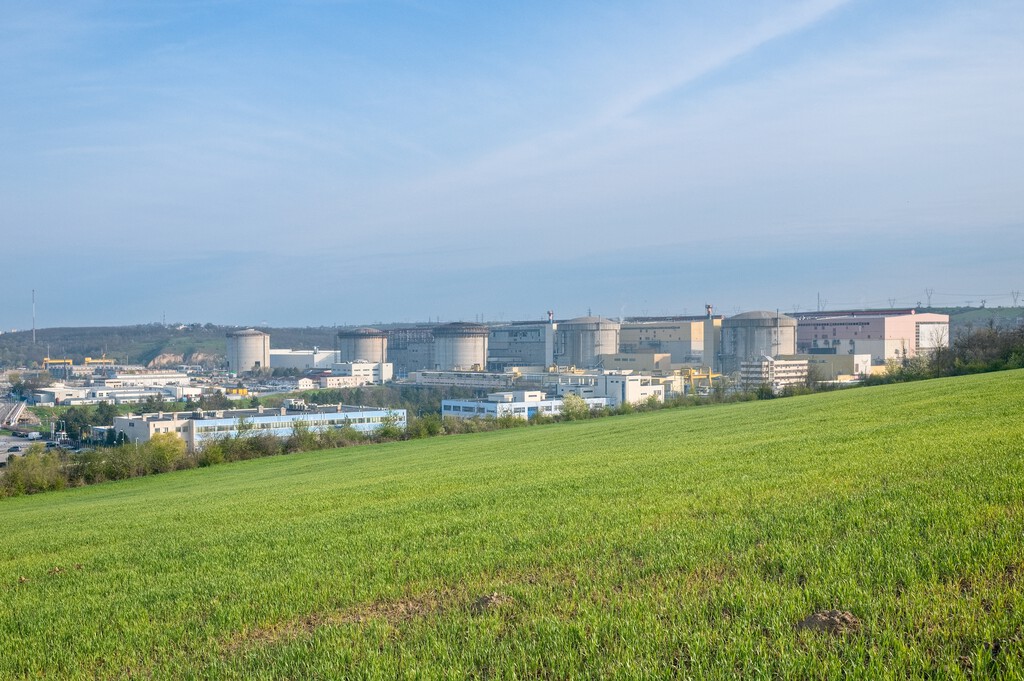
Unit 2 could still operate, but under constant monitoring of the intake parameters, and it was on this unit that all efforts were focused. This was no minor piece: the two reactors at the country's only nuclear plant typically supply about a fifth of Romania's electricity production.
How the Cernavodă Plant Uses Danube Water
To understand why the Danube's level could halt production, it's necessary to separate the plant's different systems. The CANDU reactors use heavy water in their nuclear circuits, completely separate from the water drawn from the river.
That river water is used to cool the secondary circuit—the steam that drives the turbines. Without enough water for cooling, the plant cannot safely generate power, even though the nuclear reaction itself is independent of the river.
The Cooling Water Challenge
The Cernavodă plant relies on a continuous supply of cooling water from the Danube. When the river level drops too low, the intake structures may not be able to draw enough water, forcing a shutdown.
This is not a unique problem: nuclear plants worldwide are located near water sources for cooling, and droughts can threaten their operation.
Romania's Unusual Solution: Explosives in the River
To address the low water levels, Romanian authorities resorted to using explosives to remove obstructions and deepen the riverbed near the plant's intake. This measure aimed to improve water flow and allow Unit 2 to continue operating.
Such a step is highly unusual and underscores the severity of the situation. It also raises questions about the long-term viability of relying on a river that is increasingly affected by climate change. The background to this story is set out in Romania Nuclear Reactor Shutdown: Danube Drought Energy Crisis. A related thread runs through Romania Danube Blast Diverts Water to Nuclear Reactor Amid. Earlier coverage in Romania Blasts Rock to Divert Danube Water to Nuclear Reactor shows how the argument developed.
What This Means for Romania's Energy Security
Romania's reliance on nuclear power for about 20% of its electricity makes the Cernavodă plant critical for energy security. The shutdown of Unit 1 and the threat to Unit 2 come at a time when the grid is already stressed by heatwaves and increased demand for cooling. A closer look at the same subject appears in Europe Drought: Danube and Rhine River Levels Hit Record Lows. Anyone following the wider picture can start with Europe Drought: Danube River Hits Record Lows, Energy Crisis. The same theme surfaces in Zaporizhzhia Nuclear Plant Power Loss Sparks IAEA Diesel Warning, which takes a different angle.
The incident highlights the need for diversified energy sources and infrastructure upgrades to cope with extreme weather. Context on how this played out before sits in Europe's Rivers Run Dry: Rhine and Danube Hit Record Lows. A companion piece, Danube River Drought Hits Record Lows, Exposing WWII Ships and Mammoth Bones, approaches the same subject from another angle.
- Nuclear plants depend on water for cooling, making them vulnerable to droughts.
- Romania's Cernavodă plant supplies about one-fifth of the country's electricity.
- Unit 1 was shut down on July 28 due to low Danube levels.
- Authorities used explosives to try to maintain water intake for Unit 2.
- Climate change may increase the frequency of such events.
Comparing Cooling Water Needs of Power Plants
| Plant Type | Cooling Water Source | Vulnerability to Low Water |
|---|---|---|
| Nuclear (CANDU) | River (Danube) | High – requires continuous flow |
| Coal | River or lake | High – similar cooling needs |
| Natural Gas | River or air | Moderate – can use air cooling |
| Wind/Solar | None | Low – no water needed |
FAQ
Why did Romania shut down a nuclear reactor?
Unit 1 of the Cernavodă nuclear plant was shut down on July 28 because the Danube's water level was too low to ensure adequate cooling. The operator, Nuclearelectrica, took this preventive measure to maintain safety.
How does low water affect a nuclear plant?
Nuclear plants need water to cool the steam that drives turbines. If the river level drops below the intake, the plant cannot draw enough water, forcing a shutdown even though the nuclear reaction itself uses a separate heavy-water circuit.
What did Romania do to keep the plant running?
Authorities used explosives to remove obstructions and deepen the riverbed near the plant's water intake, aiming to improve flow and allow Unit 2 to continue operating under close monitoring.
Is this a common problem for nuclear power?
While not common, similar issues have occurred in other countries during heatwaves and droughts. Climate change is expected to increase the frequency of low-water events, posing challenges for water-dependent power plants.
Browse the Shop
 Acacia frida deluxe solid wood bed frame |
Bedroom bench |
Bed chest drawers |
Lingerie dresser |
Frame base |
Mirror with jewelry storage |
30 Bathroom Vanity |
Memory foam queen mattress |
Mattresses for back pain |
Nightstand set of 2 |
Grand Goldman Shop |
Civil Lawyer
Deutschland Trikot WM 2026







