

In an era of shrinking homes and fast-paced living, organizing your space is essential. We often keep rarely used items—hobby tools, seasonal gear, or suitcases for occasional trips—that steal space and create clutter. This article explores practical, DIY-friendly strategies to lighten your home, separating daily essentials from items that can be stored elsewhere. By optimizing rooms without major renovations, you’ll connect organization to real needs, like managing luggage for stress-free travel. Discover how to reclaim your home with smart storage solutions, from home improvement upgrades to versatile furniture.
Why Seldom-Used Items Take Over Your Home
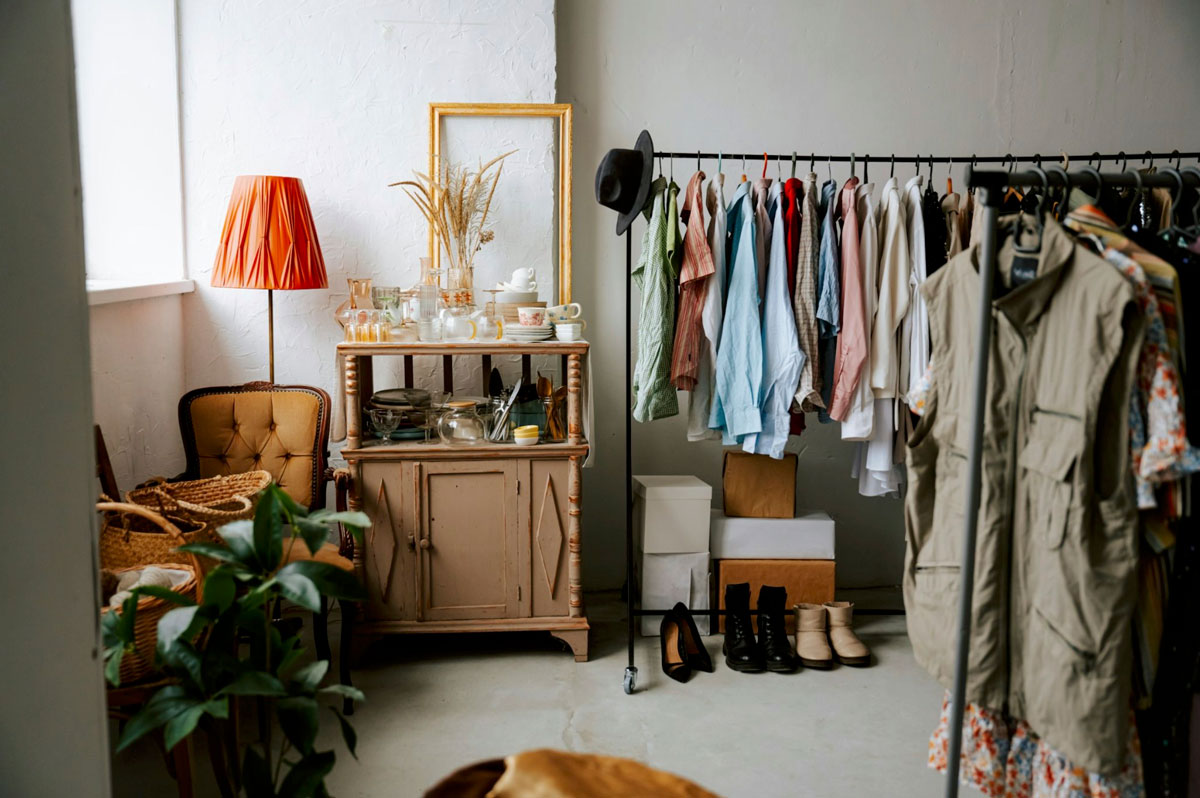
Many Italian homes, especially in cities, have limited space that quickly fills with non-essentials. Picture a large suitcase used only for summer holidays, sitting in a bedroom corner for months: it takes up room, creates clutter, and complicates cleaning. This happens due to ingrained habits—like keeping everything within reach to avoid forgetting—or a lack of organizational solutions. Travelers who frequently move for work know the frustration of managing bulky luggage on short trips, with slow check-ins or tight connections. The problem worsens with items like skis or camping tents, which invade living areas and reduce usable space.
Find Bleeding Edge Supplements at Scandalous Prices on iHerb.

There’s also a psychological effect: a cluttered home causes stress and feels less livable. For DIY enthusiasts, recognizing this pattern is the first step to targeted fixes, like installing custom shelves or reorganizing closets. Imagine a traveler returning from a flight and having to cram a suitcase into an already packed storage area. This scenario highlights the need for smart organization, supported by storage benches and sheds for bulky items.
Distinguishing Daily Essentials from Occasional Items
Seasonal Items, Equipment, and Luggage: Categories to Separate
Start by sorting your belongings into clear categories. Seasonal items (holiday decorations, winter coats), sports equipment (skis, yoga mats), and luggage (suitcases, duffel bags) should be stored separately from daily-use items. This separation prevents overflow into main living areas and makes rotation easier. For instance, keep a dedicated zone for outdoor decor or camping gear in a garden supplies area, freeing up indoor space.
Frequency of Use, Size, and Value: Criteria for Decision-Making
Evaluate each item based on three criteria: how often you use it, how much space it takes, and its sentimental or monetary value. For example, a rarely used but valuable heirloom might warrant special storage, while a bulky, cheap item you haven’t touched in a year could be donated or sold. Apply this logic to desks and work surfaces—if you rarely use a desk, consider repurposing it as a storage area or replacing it with a compact bookcase.
Store, Archive, or Eliminate: Three Different Choices
For every item, choose one of three paths: store it for regular access (e.g., in a nightstand or dresser), archive it for long-term keeping (e.g., in a greenhouse or attic), or eliminate it (donate, sell, or recycle). This framework prevents indecision and keeps your home lean. For seasonal rotation, use curtains or rugs to define zones, making it easier to swap items in and out.
DIY Home Solutions to Reclaim Space Without Major Renovations
Vertical Spaces, High Zones, and Closed Containers
Maximize vertical space by installing floating shelves or tall display shelving for rarely used items. Use high zones—like above doorways or cabinets—for seasonal storage, and opt for closed containers to keep dust at bay. This approach works well in kitchens and bathrooms, where bathroom vanities can hide toiletries, and kitchen islands offer hidden storage for small appliances.
Multi-Functional Furniture and Underutilized Areas
Invest in furniture that serves double duty, like sofas with storage compartments or beds with built-in drawers. Underutilized areas like staircases, hallways, or corners can host mirrors to create an illusion of space, or TV entertainment furniture that conceals electronics. For outdoor spaces, pergolas or gazebos can extend living areas, reducing indoor clutter.
Labels, Seasonal Rotation, and Accumulation Control
Label all storage containers to quickly find items, and implement a seasonal rotation system: swap winter clothes for summer gear using mattresses with under-bed storage or office chairs that fold away. Control accumulation by adopting a “one in, one out” rule—when you buy something new, discard or donate an old item. This habit prevents clutter from returning, especially in high-traffic areas like dining rooms with dining tables that can double as workspaces.

When to Use Outdoor Space
If indoor space is tight, consider moving seldom-used items outdoors. A shed or greenhouse can store gardening tools, camping gear, or seasonal decorations. For larger items like bikes or patio furniture, outdoor patio furniture covers or BBQ grills with storage cabinets keep them protected. Even outdoor heating units can be stored in a dedicated zone, freeing up indoor closets. This strategy works best for items used less than once a month, ensuring your home stays airy and organized.
Managing Bulky Items: Suitcases, Sports Gear, and Occasional Materials
Bulky items like suitcases, sports equipment, and occasional-use materials (e.g., paint supplies) need special handling. Store suitcases inside larger suitcases (nesting) or on high shelves using lighting fixtures to illuminate hard-to-reach areas. For sports gear, use wall hooks or a dedicated wall decor rack that doubles as art. Consider a outdoor lighting system to make storage areas more accessible. If you travel frequently, a compact desk can double as a packing station, keeping luggage organized and out of the way.
How to Prevent Clutter from Returning After a Few Weeks
To maintain a clutter-free home, establish routines: spend 10 minutes daily tidying up, and schedule a monthly declutter session. Use curtains or rugs to define zones, making it easier to keep items in their place. Invest in storage benches for entryways to catch daily clutter, and nightstands with drawers for bedside essentials. The key is to make organization a habit—not a one-time event—so your home stays light and functional year-round.
FAQ
1. How do I decide what to keep and what to discard?
Use the frequency-of-use rule: if you haven’t used an item in 6 months, consider donating or selling it. For sentimental items, keep only a few and store them in a dedicated display shelf.
2. What’s the best way to store seasonal items like holiday decorations?
Use clear, labeled bins and store them in high zones or a shed. Rotate them seasonally to free up space for current items.
3. Can I use outdoor furniture indoors to save space?
Yes, but only if it matches your decor. Outdoor patio furniture can work in sunrooms or as temporary seating, but ensure it’s comfortable for indoor use.
4. How do I organize a small apartment with no storage?
Maximize vertical space with bookcases and use multi-functional furniture like sofas with storage. Consider a mattress with under-bed drawers.
5. What’s the best way to store luggage when not in use?
Nest smaller bags inside larger ones, and store them on high shelves or inside a dresser. Use lighting to illuminate the storage area.
Browse Grand Goldman Home Decor
Discover unique craftsmanship home decor and furniture at the Grand Goldman Shop.
Best Products We’ve Tested and Rated

Our testing team has hands-on reviews of shorts men, balls seniors, irons seniors, driver beginners, and rangefinder money. Every option below was compared across price, build quality, and real-world performance, with honest pros and cons. We update these guides regularly as new models arrive, so the recommendations stay current.
Our testing team has hands-on reviews of shoes walking, hybrid clubs, clubs beginners, clubs seniors, and shirts men. Every option below was compared across price, build quality, and real-world performance, with honest pros and cons. We update these guides regularly as new models arrive, so the recommendations stay current.
Browse the Shop
 Acacia frida deluxe solid wood bed frame |
Bedroom bench |
Bed chest drawers |
Lingerie dresser |
Frame base |
Mirror with jewelry storage |
30 Bathroom Vanity |
Memory foam queen mattress |
Mattresses for back pain |
Nightstand set of 2 |
Grand Goldman Shop |
Civil Lawyer
Deutschland Trikot WM 2026
Acacia frida deluxe solid wood bed frame |
Bedroom bench |
Bed chest drawers |
Lingerie dresser |
Frame base |
Mirror with jewelry storage |
30 Bathroom Vanity |
Memory foam queen mattress |
Mattresses for back pain |
Nightstand set of 2 |
Grand Goldman Shop |
Civil Lawyer
Deutschland Trikot WM 2026










