

Les assemblages de meubles peuvent se desserrer avec le temps, mais avec le bon adhésif et quelques étapes simples, vous pouvez redonner à vos pièces leur stabilité d’origine. Que vous assembliez de nouveaux meubles à partir de Loft Home US, ou que vous répariez un antique, ce guide couvre tout ce que vous devez savoir.
Choisir la bonne colle pour réparer un assemblage de meuble
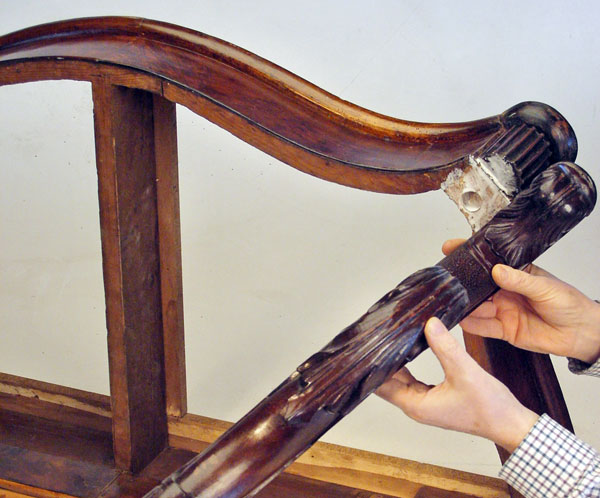
Pour assembler des éléments de meubles ou réparer des assemblages, que ce soit pour des constructions neuves, des restaurations ou des réparations, vous avez besoin d’un adhésif polyvalent offrant une forte accroche initiale, une possibilité de repositionnement pendant les premières minutes, puis un séchage complet en environ 24 heures. Optez pour une colle qui sèche transparent et qui peut être nettoyée à l’eau tant qu’elle est encore fraîche. Si l’assemblage ne s’ajuste plus parfaitement, choisissez un produit doté de propriétés comblantes. Consultez notre collection d’amélioration de l’habitat pour trouver des adhésifs et les essentiels de réparation.
Find Original, High-end Home Decor that spark conversation at Grand Goldman Shop.
Guide étape par étape pour réparer des assemblages desserrés
Suivez ces conseils pratiques pour une réparation durable :
- Nettoyez les surfaces – Retirez l’ancienne colle, la poussière et les débris des deux faces de l’assemblage.
- Appliquez l’adhésif avec parcimonie – Étalez la colle sur un seul côté de l’assemblage pour éviter l’excès qui déborde.
- Maintenez fermement – Assemblez les pièces et appliquez une forte pression pendant environ 10 secondes.
- Essuyez l’excédent – Utilisez un chiffon légèrement humide pour retirer toute colle qui s’écoule avant qu’elle ne sèche.
Pour des projets plus importants, comme la réparation d’une chaise ou d’une table, pensez à utiliser des serre-joints pour maintenir l’assemblage bien en place pendant que la colle sèche. Retrouvez des serre-joints et d’autres outils d’atelier dans notre section amélioration de l’habitat.
Quand utiliser des adhésifs comblants
Si un assemblage présente un jeu avec le temps et que les pièces ne s’ajustent plus parfaitement, une colle standard peut ne pas suffire. Les adhésifs comblants se dilatent légèrement en séchant, comblent les vides et permettent de retrouver un ajustement serré. C’est particulièrement fréquent sur les chaises anciennes et les tables à manger qui ont subi des années d’utilisation. Pour des réparations plus étendues, vous pourriez aussi devoir renforcer l’assemblage avec des chevilles ou des équerres : vérifiez notre collection d’amélioration de l’habitat pour les options de quincaillerie.
Réparer différents types d’assemblages de meubles
Différents meubles nécessitent des approches légèrement différentes :
- Pieds de chaise et traverses – Utilisent souvent des assemblages à tenon et mortaise ronds ; nettoyez soigneusement la mortaise et le tenon avant de coller.
- Traverses de table – Les assemblages rectangulaires peuvent nécessiter un serrage dans plusieurs directions.
- Portes d’armoire – Les vis de charnière desserrées peuvent être fixées avec de la pâte à bois ou en repositionnant la charnière.
Pour les meubles d’extérieur, comme les ensembles de terrasse, utilisez un adhésif hydrofuge afin de résister à l’humidité et aux variations de température.
Outils et matériaux dont vous pourriez avoir besoin
- Colle à bois ou adhésif comblant
- Serre-joints (serre-joints à barre, serre-joints à ressort ou serre-joints à sangle)
- Chiffon humide pour le nettoyage
- Papier abrasif ou petite lime pour nettoyer les surfaces des assemblages
- Pâte à bois pour les zones endommagées
Beaucoup de ces articles sont disponibles dans notre magasin d’amélioration de l’habitat. Pour les petites réparations, un plan de travail compact peut fournir une zone stable pour travailler.
FAQ : Réparation d’assemblages de meubles
1. Combien de temps faut-il serrer un assemblage collé ?
La plupart des colles à bois nécessitent un serrage d’au moins 30 minutes à une heure, mais vérifiez les instructions du fabricant. Pour un résultat optimal, laissez les serre-joints en place pendant 24 heures, le temps que la colle durcisse complètement.

2. Peut-on réparer un assemblage sans démonter le meuble ?
Parfois, vous pouvez injecter de la colle dans un assemblage desserré à l’aide d’une seringue ou d’un embout fin, puis serrer. Cela fonctionne le mieux si l’assemblage conserve encore un peu de jeu. Pour une réparation plus solide, le démontage est recommandé.
3. Quelle est la meilleure colle pour les assemblages de meubles d’extérieur ?
Utilisez une colle polyuréthane hydrofuge de qualité extérieure ou un adhésif spécialisé pour bois d’extérieur. Ils résistent à l’humidité, à la pluie et aux variations de température. Notre collection d’articles pour le jardin propose des options adaptées.
4. Comment enlever de la vieille colle d’un assemblage ?
Grattez la colle séchée à l’aide d’un ciseau, d’une spatule ou de papier abrasif. Pour les résidus tenaces, appliquez de la chaleur avec un sèche-cheveux afin d’assouplir la colle, puis grattez. Évitez d’endommager la surface du bois.
5. Puis-je utiliser de la super colle pour des assemblages de meubles ?
La super colle (cyanoacrylate) n’est pas recommandée pour les assemblages structurels, car elle est cassante et ne comble pas les jeux. La colle à bois ou la colle polyuréthane offre un collage plus résistant et plus flexible, capable de supporter les contraintes d’un usage quotidien.
Autres projets DIY liés
- Conseils d’amélioration de l’habitat
- Réparations au jardin & en extérieur
- Entretien des meubles de terrasse
Avec le bon adhésif et un peu de patience, vous pouvez prolonger la durée de vie de votre mobilier et le conserver dans un bel état pendant de nombreuses années. Pour tous vos besoins de réparation et de restauration, explorez notre collection d’amélioration de l’habitat ainsi que nos autres catégories spécialisées.
Découvrez la décoration intérieure Grand Goldman
Découvrez une décoration intérieure et des meubles d’un savoir-faire unique chez la boutique Grand Goldman.
meilleurs meubles pour enfants et bébés pour vivre en petit appartement | meubles pour enfants et bébés abordables pour un espace de terrasse extérieur | meilleurs meubles premium pour enfants et bébés pour rafraîchir une chambre d’invités |
meilleurs meubles de terrasse d’extérieur pour recevoir des invités | meubles de terrasse d’extérieur abordables pour se détendre sur la terrasse | meilleurs meubles de terrasse d’extérieur premium pour dîner en plein air |
meilleurs ensembles de meubles de terrasse pour vivre en petit appartement | ensembles de meubles de terrasse abordables pour un espace de terrasse extérieur | ensembles premium de meubles de terrasse pour rafraîchir une chambre d’invités |
idées tendances pour s’asseoir sur la terrasse à la maison | meilleure assise de terrasse pour les petits espaces | assise de terrasse abordable sous budget |
porte-manteau mural espresso | étagère de rangement pour entrée en bois | organisateur d’entrée à 4 doubles crochets | arbre de hall 3 en 1 pour entrée | banc de rangement avec patères | organisateur de rangement à chaussures noir | ensemble de canapé électrique gris 3 places | couchage relax en cuir 3 places | canapé sectionnel relax moderne | bureau moderne exécutif | bureau avec caisson de rangement en bois | grand bureau de bureau avec portes |
Browse the Shop
 Acacia frida deluxe solid wood bed frame |
Bedroom bench |
Bed chest drawers |
Lingerie dresser |
Frame base |
Mirror with jewelry storage |
30 Bathroom Vanity |
Memory foam queen mattress |
Mattresses for back pain |
Nightstand set of 2 |
Grand Goldman Shop |
Civil Lawyer
Deutschland Trikot WM 2026
Acacia frida deluxe solid wood bed frame |
Bedroom bench |
Bed chest drawers |
Lingerie dresser |
Frame base |
Mirror with jewelry storage |
30 Bathroom Vanity |
Memory foam queen mattress |
Mattresses for back pain |
Nightstand set of 2 |
Grand Goldman Shop |
Civil Lawyer
Deutschland Trikot WM 2026










