

When Artemis II launches, it will mark a new era in space exploration, not just for its mission to the Moon but also for how astronauts handle basic human needs. Unlike the Apollo astronauts who relied on bags and hoses, the Artemis II crew will have a proper space toilet.
Artemis II: A New Chapter in Lunar Exploration
If all goes according to plan, Artemis II could launch as early as April 1. This mission will be the first crewed voyage to the Moon in over 50 years. Although there will be no landing this time, the capsule with four astronauts aboard will perform a lunar flyby, the highlight of a 10-day space journey.
Find Original Home Decor sparking conversation at Grand Goldman Shop.

During this week and a half, the crew will naturally need to clean themselves and take care of their bodily functions. But how does one go to the bathroom in space? Fortunately, the capsule will have a convenience that was not available during the Apollo program.
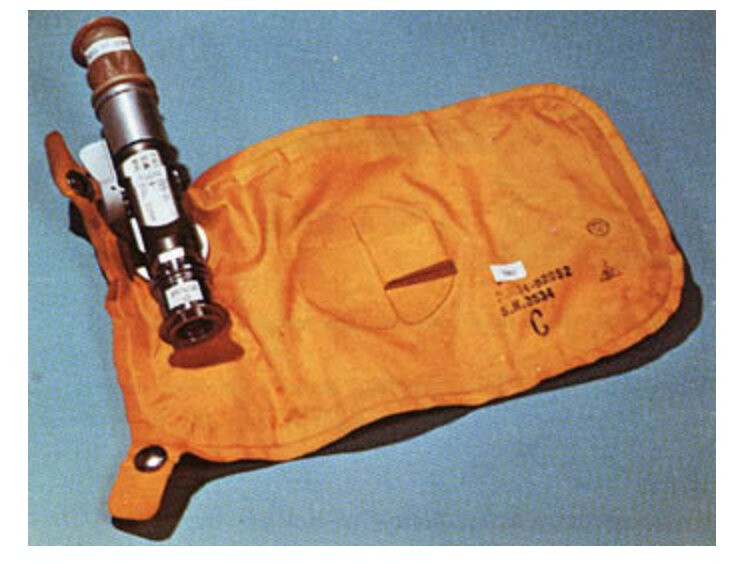
The Complicated Mission of Going to the Bathroom
From Apollo 10 in 1969 to Apollo 17 in 1972, a total of 24 astronauts traveled to the Moon. During that time, their only cleaning method was a few wet wipes. For urination, they used devices similar to condoms that were changed daily. When it came time to defecate, they connected to a bag with a sort of hose. It was not a very efficient system, and leaks were common. There was also no system adapted to female anatomy, as all astronauts were men.
The Major Business
As for feces, a bag was used that was stuck to the buttocks. Something quite similar to a diaper, but with a compartment to insert hands and use toilet paper. Again, leaks could occur. In fact, there is a transcript from Apollo 10 where astronaut Tom Stafford famously reported a floating turd.
How Artemis II Improves Astronaut Hygiene
Artemis II will feature a Universal Waste Management System (UWMS), a toilet that is more similar to what we use on Earth. It uses airflow to move waste away from the body and into the collection system, and it has a smaller, more ergonomic design. The UWMS is designed to accommodate both male and female astronauts, a crucial improvement for future missions that will include women.
The system also includes a urine funnel that can be used by both sexes, and the toilet is designed to be more comfortable and easier to use in microgravity. This upgrade will make the 10-day journey much more pleasant for the crew.
Why This Matters for Future Space Travel
Proper waste management is not just about comfort; it's about health and safety. In space, waste can become a hazard if not contained properly. The UWMS is a step toward more sustainable and hygienic space travel, which will be essential for longer missions to Mars and beyond. The background to this story is set out in Artemis II Splashdown: Orion Returns Astronauts to Lunar History. A related thread runs through Artemis II: Humans Return to the Moon After 50 Years. Earlier coverage in Artemis II Launches Successfully: Humanity Returns to the Moon shows how the argument developed.
- Artemis II will be the first crewed lunar mission in over 50 years.
- Apollo astronauts used bags and condom-like devices for waste, which were inefficient and prone to leaks.
- The Universal Waste Management System on Artemis II is designed for both male and female astronauts.
- Improved waste management is crucial for long-duration space missions.
Comparison of Apollo and Artemis II Waste Systems
| Feature | Apollo (1969-1972) | Artemis II (2025) |
|---|---|---|
| Urination | Condom-like device, changed daily | Urine funnel with airflow |
| Defecation | Bag adhered to buttocks with finger compartment | Toilet with airflow and collection system |
| Leak risk | High | Low |
| Female accommodation | None | Yes |
What to Watch Next
As Artemis II prepares for launch, the success of its waste management system will be closely watched. This technology will inform future missions, including Artemis III, which aims to land astronauts on the Moon. The lessons learned from Artemis II will be vital for ensuring the health and comfort of crews on long journeys. A closer look at the same subject appears in Artemis II Toilet Malfunction: Frozen Urine in Space. Anyone following the wider picture can start with Artemis II Astronauts to Use Themselves as Test Subjects for Health. The same theme surfaces in Artemis II Astronauts Return Changed by the Overview Effect, which takes a different angle.
For more on space exploration and its challenges, keep an eye on Grand Goldman's coverage of the latest missions. Context on how this played out before sits in NASA Artemis II Astronauts Make Video Calls from Deep Space. A companion piece, Space Food Secret: Tacos and Hot Sauce on Artemis II, approaches the same subject from another angle.
FAQ
How did Apollo astronauts go to the bathroom?
Apollo astronauts used condom-like devices for urination and bags adhered to the buttocks for defecation. These methods were often messy and prone to leaks.
What is the Universal Waste Management System?
The UWMS is a new toilet system on Artemis II that uses airflow to collect waste. It is designed to be more comfortable and accommodate both male and female astronauts.
Why is proper waste management important in space?
Proper waste management is essential for health and safety. It prevents waste from floating around and contaminating the cabin, and it is crucial for long-duration missions.
Will Artemis II land on the Moon?
No, Artemis II will not land on the Moon. It will perform a lunar flyby and return to Earth, testing the spacecraft and systems for future landing missions.
Browse the Shop
 Acacia frida deluxe solid wood bed frame |
Bedroom bench |
Bed chest drawers |
Lingerie dresser |
Frame base |
Mirror with jewelry storage |
30 Bathroom Vanity |
Memory foam queen mattress |
Mattresses for back pain |
Nightstand set of 2 |
Grand Goldman Shop |
Civil Lawyer
Deutschland Trikot WM 2026







