

The total solar eclipse on August 12, 2026, left spectators across Spain in awe, with many moved to tears by the breathtaking sight. This rare celestial event united people in a shared moment of wonder, transcending the usual divisions in society.
For weeks, the eclipse had been a topic of conversation, but few anticipated the emotional impact it would have. As the moon slowly obscured the sun, day turned to night, and the corona—the sun's outer atmosphere—became visible, creating a spectacle that words can hardly capture.
Find Original Home Decor sparking conversation at Grand Goldman Shop.

Why the 2026 Total Solar Eclipse Was So Special
Total solar eclipses are rare, and this one was particularly significant because its path of totality crossed Spain, offering thousands a once-in-a-lifetime experience. The last total solar eclipse visible from Spain occurred in 1905, making this a historic event.
The eclipse's path of totality included several major cities, and the weather cooperated, providing clear skies for most viewers. This combination of factors made it one of the most memorable astronomical events in recent history.
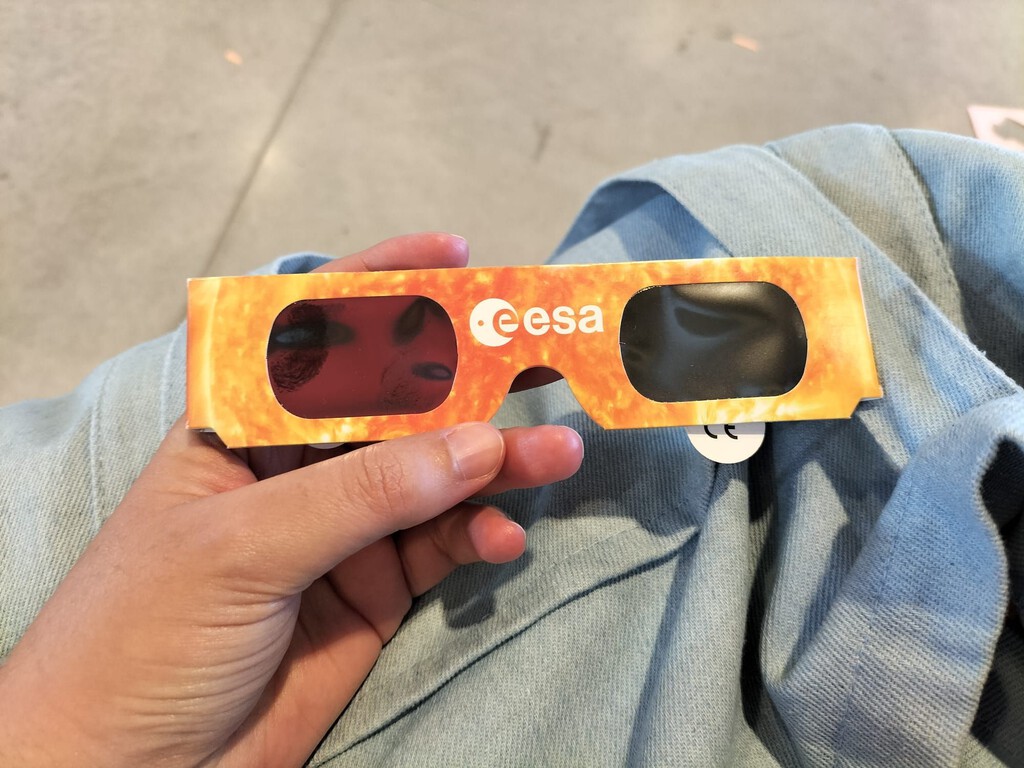
- Path of Totality: The moon's shadow covered a narrow strip of Spain, including León, where the European Space Agency (ESA) hosted a special event.
- Emotional Impact: Many spectators reported feeling overwhelmed by the experience, with some even shedding tears.
- Scientific Significance: The eclipse provided a unique opportunity for scientists to study the sun's corona and gather data.
- Community Unification: The event brought together people from all walks of life, fostering a sense of unity and shared wonder.
The Science Behind the Spectacle
During a total solar eclipse, the moon passes between Earth and the sun, completely blocking the sun's face. This alignment reveals the sun's corona, which is normally hidden by the sun's brightness. The corona appears as a pearly white halo around the dark moon.
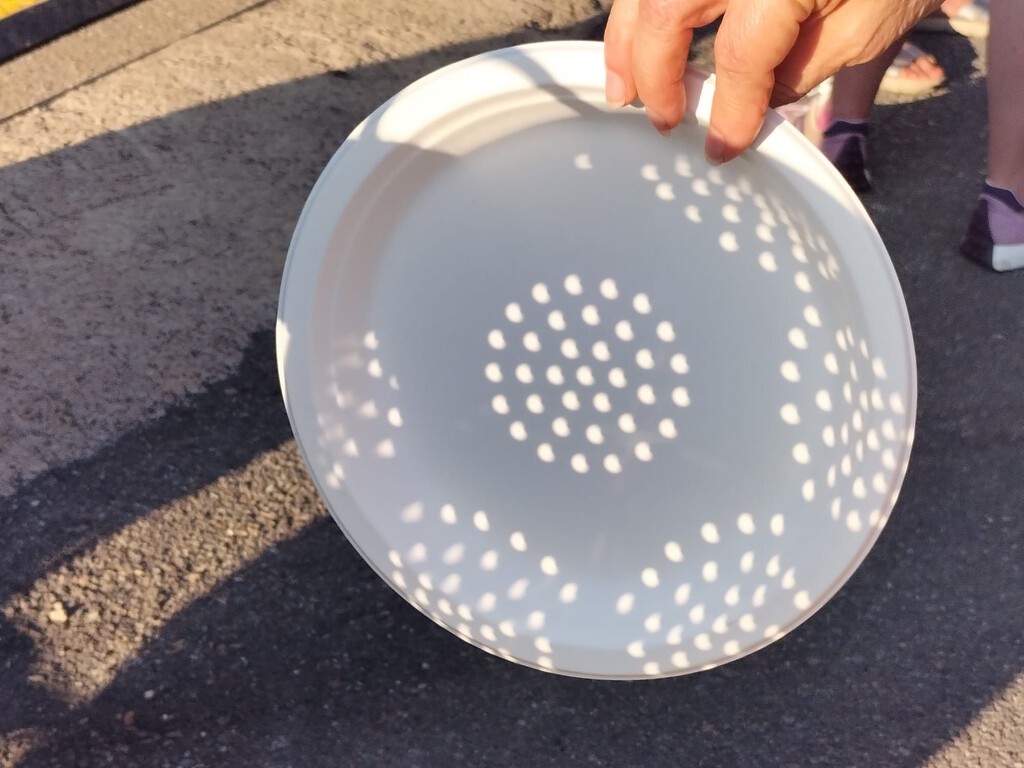
Scientists use these opportunities to study the corona, as it is the source of solar wind and space weather that can affect Earth's magnetic field and technology. The 2026 eclipse allowed researchers to collect valuable data using ground-based and space-based instruments.
What to Look For During Totality
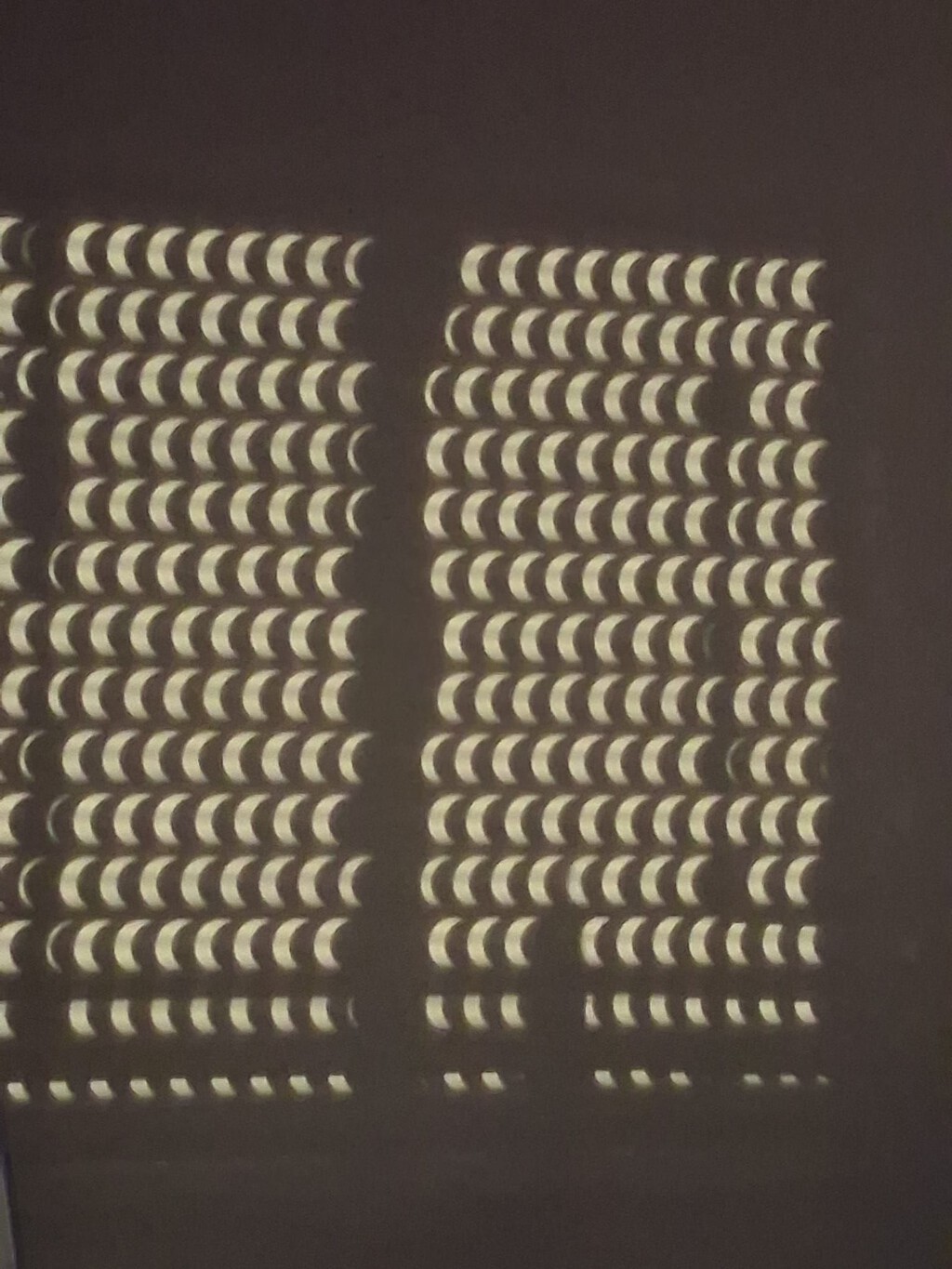
When totality begins, the sky darkens dramatically, and the temperature drops. The corona becomes visible, along with bright stars and planets. Baily's beads—bright spots of sunlight shining through lunar valleys—can be seen just before and after totality.
It's important to use proper eye protection during all phases of the eclipse except totality. Regular sunglasses are not sufficient; only ISO-certified eclipse glasses should be used.
Personal Accounts: Tears and Awe
Many spectators described the experience as deeply moving. One witness at the ESA event in León said, "I expected it to be beautiful, but I didn't expect to cry. When the corona appeared, it was like seeing the universe for the first time."
Others echoed similar sentiments, emphasizing the profound sense of connection to the cosmos. The shared experience of witnessing such a rare event created a bond among strangers, as they stood together in silence and wonder. The background to this story is set out in Solar Eclipse Wonder: A Shared Moment of Awe and Unity. A related thread runs through August 2027 Total Solar Eclipse in Spain: Viewing Guide. Earlier coverage in Europe's Total Solar Eclipse 2026: Best Viewing Spots and Safety Tips shows how the argument developed.
How to Prepare for the Next Total Solar Eclipse
If you missed this eclipse, don't worry—there will be others. The next total solar eclipse visible from Spain will occur in 2026, and another in 2027. Planning ahead is essential to make the most of the experience. A closer look at the same subject appears in Europe Solar Eclipse 2026: Rare Spectacle Draws Millions. Anyone following the wider picture can start with Europe Solar Eclipse 2026: Viewing Spots in Spain, UK & Iceland. The same theme surfaces in UK Solar Eclipse 2026: Best Viewing Spots Revealed, which takes a different angle.
First, choose a location within the path of totality. Book accommodations early, as they fill up quickly. Ensure you have certified eclipse glasses and a backup plan in case of cloudy weather. Context on how this played out before sits in Best UK Solar Eclipse Viewing Spots 2026: Where to Watch. A companion piece, Hotel Prices Surge in Europe Ahead of Total Solar Eclipse, approaches the same subject from another angle.
| Eclipse Date | Location | Duration of Totality |
|---|---|---|
| August 12, 2026 | Spain (León, etc.) | Up to 2 minutes |
| August 2, 2027 | Southern Spain | Up to 4 minutes |
| September 23, 2090 | Spain | Up to 3 minutes |
FAQ
What is a total solar eclipse?
A total solar eclipse occurs when the moon passes between Earth and the sun, completely blocking the sun's face and revealing the corona. This alignment happens only during a new moon when the moon is close enough to Earth to appear the same size as the sun.
Why did the 2026 eclipse make people cry?
The emotional impact of a total solar eclipse is profound. The sudden darkness, the appearance of the corona, and the shared experience of a rare cosmic event can evoke strong feelings of awe and connection, often leading to tears.
How can I safely view a solar eclipse?
Except during totality, always use ISO-certified eclipse glasses or handheld solar viewers to protect your eyes. Never look at the sun directly without proper protection, as it can cause permanent eye damage.
When is the next total solar eclipse in Spain?
The next total solar eclipse visible from Spain will occur on August 2, 2027, with totality lasting up to 4 minutes in southern regions. Another will follow in 2090.
The 2026 total solar eclipse was more than just a celestial event; it was a reminder of our place in the universe and the beauty of shared human experience. As we look forward to future eclipses, the memory of this day will continue to inspire awe and wonder.
Browse the Shop
 Acacia frida deluxe solid wood bed frame |
Bedroom bench |
Bed chest drawers |
Lingerie dresser |
Frame base |
Mirror with jewelry storage |
30 Bathroom Vanity |
Memory foam queen mattress |
Mattresses for back pain |
Nightstand set of 2 |
Grand Goldman Shop |
Civil Lawyer
Deutschland Trikot WM 2026







