

Archaeologists have recovered 80-ton blocks from the Lighthouse of Alexandria, one of the Seven Wonders of the Ancient World, from the Mediterranean seabed. The massive granite and limestone pieces, some weighing as much as 80 tons, are rewriting what we know about the legendary structure.
The finds, revealed in May 2025, suggest the Mediterranean is gradually returning fragments of the famous lighthouse, which once stood on the island of Pharos.
Find Original Home Decor sparking conversation at Grand Goldman Shop.

Discovery at the Bottom of Alexandria's Harbor
In the late 19th century, fishermen in Alexandria's port began hauling up enormous stone fragments in their nets. Some were so large and unusual that stories circulated for years about giant ruins hidden beneath the Egyptian coast.
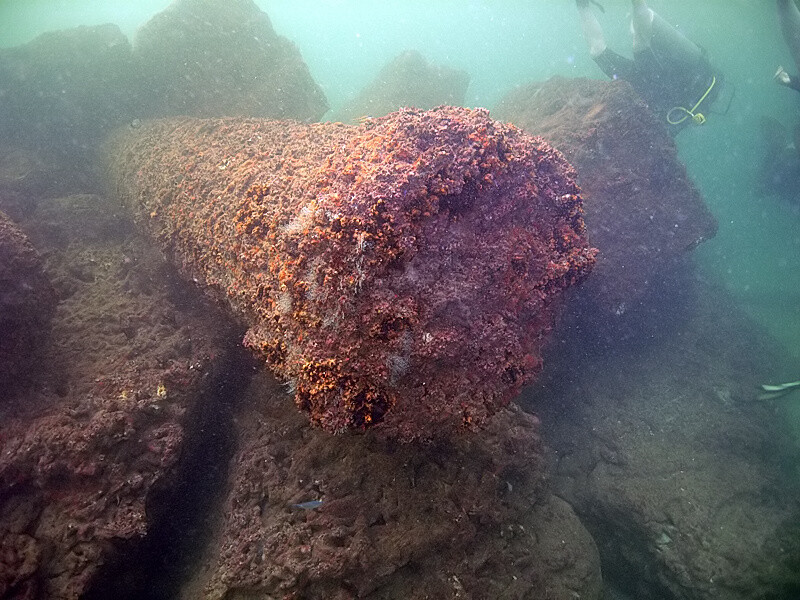
Long before underwater scanners or digital archaeology existed, the Mediterranean was already hinting that part of the ancient world lay buried beneath its waters.
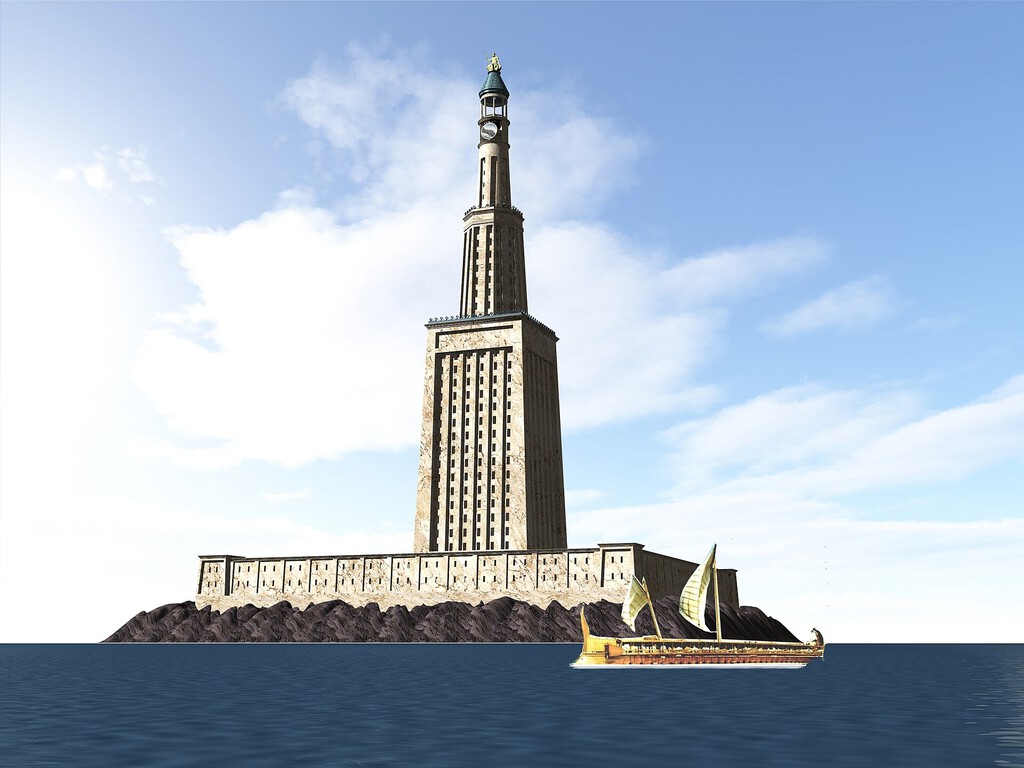
Now, archaeologists and divers have spent years finding huge blocks of granite and limestone under Alexandria's waters. The latest work has sparked a fascinating idea: the sea may be giving back pieces of the legendary Lighthouse of Alexandria.
What the 80-Ton Blocks Reveal
Some of the blocks weigh up to 80 tons and were part of monumental entrances, platforms, and gigantic structures that remained scattered on the seabed for centuries.
The discovery is not only helping reconstruct what the lighthouse looked like but is also challenging many existing theories about its size, engineering, and appearance.
These blocks are among the largest ever recovered from the ancient structure, offering unprecedented insight into its construction.
- 80-ton blocks indicate a far larger and more ambitious structure than previously thought.
- The finds include elements of monumental entrances and platforms.
- They challenge existing theories about the lighthouse's size and engineering.
- Recovery efforts are ongoing, with more discoveries expected.
- The artifacts are shedding new light on ancient Alexandrian engineering.
History of the Lighthouse of Alexandria
The Lighthouse of Alexandria began construction in the early 3rd century BC under the reign of Ptolemy I Soter. It was designed by Sostratus of Cnidus on the island of Pharos, off the Egyptian port.
For centuries, it guided ships and stood as a symbol of Alexandria's power and wealth. It was considered one of the Seven Wonders of the Ancient World.
Despite its fame, much about the lighthouse remained a mystery until underwater excavations began.
Why This Discovery Matters
The recovery of these massive blocks is significant because it provides tangible evidence of the lighthouse's scale and complexity.
It also highlights the importance of underwater archaeology in uncovering lost wonders. The findings could lead to a better understanding of ancient engineering and maritime trade.
Moreover, the discovery may boost tourism and interest in Alexandria's rich history.
Comparison of Ancient Wonders
Here's how the Lighthouse of Alexandria compares to other ancient wonders in terms of surviving evidence. Context on how this played out before sits in 80-Ton Blocks From the Lighthouse of Alexandria Found Underwater.
| Wonder | Location | Surviving Evidence | Key Finds |
|---|---|---|---|
| Lighthouse of Alexandria | Alexandria, Egypt | Underwater ruins, blocks up to 80 tons | Granite and limestone blocks, statues, coins |
| Great Pyramid of Giza | Giza, Egypt | Intact structure | Pyramids, sarcophagi |
| Hanging Gardens of Babylon | Babylon, Iraq | No confirmed remains | None |
| Statue of Zeus at Olympia | Olympia, Greece | Workshop remains | Tools, molds |
What to Watch Next
Archaeologists plan to continue excavations and study the recovered blocks to piece together the lighthouse's design. The background to this story is set out in Austria Excavator Finds 1 Ton of Prehistoric Iron Bars. A related thread runs through Trending: latest articles.
Future research may reveal more about the structure's height, materials, and the technology used to build it. Earlier coverage in How to Tell If Someone Blocked You on WhatsApp: Key Signs shows how the argument developed. A closer look at the same subject appears in Spanish Firm Faked Gold Trades With Salt and Turmeric.
As the Mediterranean continues to yield its secrets, the Lighthouse of Alexandria may finally be restored in our understanding. Anyone following the wider picture can start with Trasmoz: Spain's Only Excommunicated Village Celebrates Its Curse. The same theme surfaces in Anthropic CEO Dario Amodei Addresses AI Power Concentration Debate, which takes a different angle.
FAQ
What is the Lighthouse of Alexandria?The Lighthouse of Alexandria was a towering structure built in the 3rd century BC on the island of Pharos in Egypt. It was one of the Seven Wonders of the Ancient World and served as a navigational aid for ships.
How were the 80-ton blocks discovered?Fishermen first brought up large stone fragments in the late 19th century. Recent underwater excavations by archaeologists and divers have recovered numerous massive blocks, some weighing up to 80 tons, from the seabed off Alexandria.
Why is this discovery important?The blocks provide concrete evidence of the lighthouse's immense scale and advanced engineering, challenging previous theories and enhancing our understanding of ancient construction techniques.
What happens next with the findings?Researchers will continue to study the recovered blocks and conduct further excavations. The goal is to reconstruct the lighthouse's appearance and learn more about its role in antiquity.
Browse the Shop
 Acacia frida deluxe solid wood bed frame |
Bedroom bench |
Bed chest drawers |
Lingerie dresser |
Frame base |
Mirror with jewelry storage |
30 Bathroom Vanity |
Memory foam queen mattress |
Mattresses for back pain |
Nightstand set of 2 |
Grand Goldman Shop |
Civil Lawyer
Deutschland Trikot WM 2026







