

Antarctica tourism is no longer a niche pursuit for scientists and extreme adventurers. The frozen continent, once considered practically immune to the global wave of touristification, is now experiencing a surge in visitor numbers that has experts and environmentalists alike raising alarms. According to data from the International Association of Antarctica Tour Operators (IAATO), the region has never been busier, with a staggering 1,120% increase in tourist activity over recent decades.
The recent hantavirus crisis served as a stark reminder of how interconnected our world has become, and how vulnerable even the most remote places are to global events. But it also shone a light on a quieter, more sustained phenomenon: the steady, silent, and powerful rise of Antarctica as a tourist destination.
Find Original Home Decor sparking conversation at Grand Goldman Shop.

The Surge in Antarctica Tourism
The numbers tell a compelling story. While annual fluctuations occur, the long-term trend is unmistakable. Over the past three decades, the curve of visitor numbers has climbed steadily upward, transforming Antarctica from a scientific outpost into a bucket-list destination for affluent travelers.
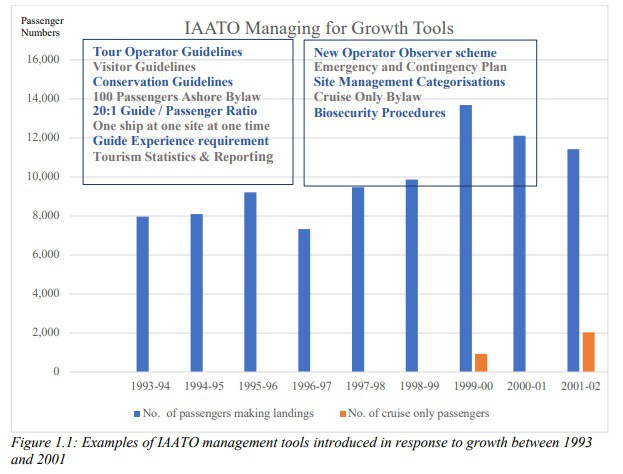
At the heart of this boom are expedition cruise ships like the MV Hondius, operated by Oceanwide Expeditions. These vessels, departing from Ushuaia, Argentina—the gateway for the vast majority of Antarctic voyages—promise adventure to the ends of the Earth. And they are filling up fast.
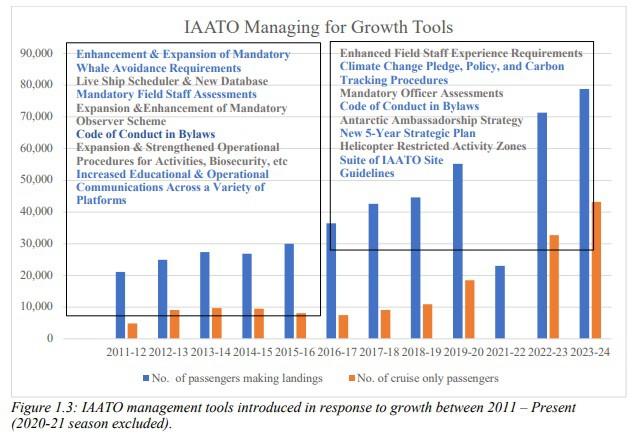
Why the sudden interest? Several factors converge. Improved ship technology has made the journey safer and more comfortable. Social media has amplified the allure of pristine landscapes. And a growing appetite for unique, experiential travel has pushed Antarctica to the top of many wanderlists.
Who Benefits and Who Pays?
The economic benefits flow primarily to tour operators, shipping companies, and gateway cities like Ushuaia. For travelers, the payoff is a once-in-a-lifetime experience. But the environmental and social costs are significant.
Antarctica’s ecosystem is fragile. Each landing, each step on the ice, each interaction with wildlife carries risk. While IAATO enforces strict guidelines, the sheer volume of visitors strains the continent’s ability to absorb impact. And the carbon footprint of these voyages is substantial.
Moreover, the “touristification” of Antarctica raises ethical questions. Should the last untouched wilderness be open to anyone who can afford the ticket? Or should access be limited to protect its intrinsic value?
Regulation and Resistance
Regulators are paying attention. The Antarctic Treaty System, which governs the continent, has been slow to adapt to the tourism surge. But pressure is mounting. Some countries have called for caps on visitor numbers, while environmental groups advocate for stricter limits.
IAATO itself has implemented measures, such as limiting the size of ships and the number of passengers allowed ashore at once. Yet critics argue these steps are insufficient. The debate echoes broader global conversations about overtourism, from Venice to Machu Picchu. The background to this story is set out in Big Sur Overtourism Crisis: Wildfires and Tourist Deaths. A related thread runs through Europe Tourism Map Reveals Overtourism Pressure on 10% of Territory. Earlier coverage in Marseille Overtourism: France's New Capital of Travel shows how the argument developed.
What to Watch Next
The coming years will be decisive. Will Antarctica follow the path of other fragile destinations, succumbing to the pressures of mass tourism? Or will it become a model for sustainable, low-impact travel? A closer look at the same subject appears in Japan's Hotel Staffing Crisis: A Natural Brake on Overtourism. Anyone following the wider picture can start with Galapagos Islands Face Overtourism as Airbnb Rentals Surge. The same theme surfaces in Andalusia's Drying Rivers Expose Overtourism and Water Crisis, which takes a different angle.
Key indicators include the enforcement of existing regulations, the development of new international agreements, and the willingness of travelers to choose operators with strong environmental records. The choices made now will determine whether Antarctica remains a pristine wilderness or becomes another cautionary tale. Context on how this played out before sits in Rome Golf Cart Tours Spark Local Outrage Amid Overtourism.
FAQ
How many tourists visit Antarctica each year?
According to IAATO, the number of tourists visiting Antarctica has grown significantly, with recent seasons seeing over 70,000 visitors. The long-term trend shows a 1,120% increase over the past three decades.
What is the main gateway to Antarctica?
The vast majority of Antarctic voyages depart from Ushuaia, Argentina, which serves as the primary gateway for expedition cruises to the continent.
Is Antarctica tourism sustainable?
While IAATO enforces strict guidelines to minimize environmental impact, the rapid growth of tourism raises concerns about sustainability. The carbon footprint of cruises and the potential for ecosystem disruption remain key challenges.
What regulations govern Antarctic tourism?
The Antarctic Treaty System provides the overarching framework, while IAATO sets operational standards for its members, including limits on ship size and shore landings.
Browse the Shop
 Acacia frida deluxe solid wood bed frame |
Bedroom bench |
Bed chest drawers |
Lingerie dresser |
Frame base |
Mirror with jewelry storage |
30 Bathroom Vanity |
Memory foam queen mattress |
Mattresses for back pain |
Nightstand set of 2 |
Grand Goldman Shop |
Civil Lawyer
Deutschland Trikot WM 2026







