

Barcelona's 24-hour supermarkets are proliferating at an unprecedented rate, challenging established players like Mercadona and reshaping the city's retail landscape. According to recent data from the Barcelona City Council, nearly 100 such stores opened in the second half of 2025 alone—roughly one every two days.
This surge is not just a retail curiosity; it reflects deeper shifts in urban life, tourism, and consumer habits. With 92 new 24-hour supermarkets in the first half of 2025 and 643 since October 2020, the trend shows no signs of slowing.
Find Original Home Decor sparking conversation at Grand Goldman Shop.

Why 24-Hour Supermarkets Are Thriving in Barcelona
The explosion of 24-hour supermarkets is closely tied to Barcelona's touristification—the transformation of neighborhoods to cater to tourists and transient visitors. As short-term rentals and late-night entertainment venues multiply, demand for round-the-clock services has soared.
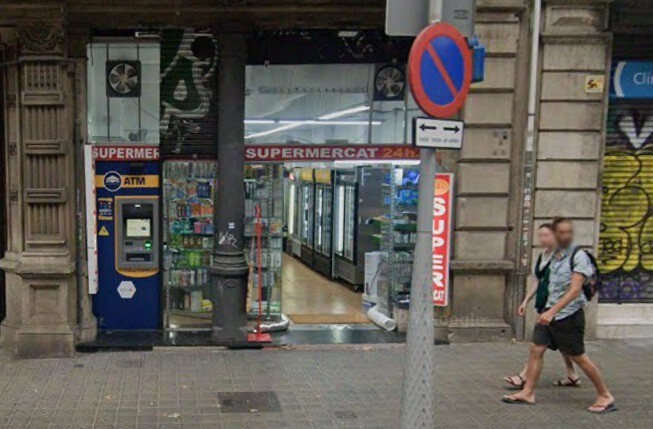
These stores cater to tourists arriving at odd hours, night-shift workers, and residents whose schedules don't align with traditional shopping hours. Their convenience and extended hours give them a competitive edge over conventional supermarkets.
The Data Behind the Boom
The numbers are striking: between October 2020 and the end of 2024, 643 24-hour supermarkets were launched in Barcelona. In the first half of 2025 alone, 92 new ones opened—averaging 3.5 per week.
This growth outpaces even Mercadona's expansion in the city, signaling a shift in consumer preferences. The data, reported by La Vanguardia, underscores how quickly the retail landscape is evolving.
- Rapid expansion: 92 new 24-hour supermarkets in early 2025, one every two days.
- Tourism-driven: Touristification fuels demand for late-night and round-the-clock services.
- Competitive pressure: Traditional chains like Mercadona face new rivals.
- Regulatory debate: The surge has sparked public discussion about urban planning and quality of life.
- No saturation yet: The market continues to grow despite the high number of openings.
Impact on Mercadona and Traditional Retailers
Mercadona may dominate nationally, but in Barcelona, the 24-hour format is carving out a significant niche. These stores often operate in high-traffic tourist areas where traditional supermarkets have limited hours.
While Mercadona focuses on larger-format stores with a broad assortment, 24-hour supermarkets prioritize convenience and accessibility. This differentiation allows them to coexist—for now—but the competition for prime locations and customer loyalty is intensifying.
What This Means for Residents and Tourists
For tourists, 24-hour supermarkets offer unparalleled convenience, especially for late arrivals or midnight snacks. For residents, they provide flexibility but also raise concerns about noise, congestion, and the character of neighborhoods.
The debate has entered public discourse, with some calling for regulations to limit the spread of these stores in residential areas. Balancing economic vitality with quality of life will be a key challenge for city planners.
Comparison of Retail Formats in Barcelona
| Format | Typical Hours | Target Audience | Growth Trend |
|---|---|---|---|
| 24-Hour Supermarkets | 24/7 | Tourists, night workers, residents | Rapid expansion |
| Mercadona | 9:00–21:00 | General public | Steady |
| Convenience Stores | Varies (often 24h) | Quick errands | Moderate |
| Traditional Markets | Morning to early afternoon | Locals | Declining |
What to Watch Next
As Barcelona grapples with the implications of this retail shift, several questions loom: Will regulations curb the spread of 24-hour supermarkets? Can Mercadona adapt its model to compete? And how will neighborhoods balance convenience with livability?
One thing is clear: the 24-hour supermarket phenomenon is reshaping Barcelona's retail fabric, and its ripple effects will be felt for years to come.
Similar debates about urban spaces and health are unfolding elsewhere. In Finland, concerns have been raised about the safety of rubber playgrounds, highlighting how urban planning decisions impact public well-being. This Finlandia demuestra que los parques infantiles de caucho son menos saludables shows the importance of scrutinizing urban amenities.
For businesses, staying informed about regulatory changes and consumer trends is crucial. Grand Goldman's business insights offer valuable analysis for navigating such shifts.
Understanding local dynamics is key. As trending stories reveal, grassroots movements and consumer activism can quickly influence policy and market behavior. The background to this story is set out in Barcelona's Electric Fraud Crisis Hits 24-Hour Supermarkets. A related thread runs through Mercadona Market Share Stalls: What the Data Reveals.
Finally, the intersection of tourism and retail is a global phenomenon. From all-inclusive resorts to urban centers, the quest for convenience is reshaping industries. Earlier coverage in Froiz Thrives as Regional Supermarkets Resist Mercadona shows how the argument developed. A closer look at the same subject appears in The Palauet of Barcelona will host the Second Edition of the Barcelona Watch Market in October.
FAQ
Why are 24-hour supermarkets booming in Barcelona?
The boom is driven by touristification, which increases demand for late-night services, and by changing consumer habits that favor convenience. The city's status as a major tourist destination and hub for nightlife contributes to the need for round-the-clock shopping options.
How does this affect Mercadona?
Mercadona faces increased competition for prime locations and customer attention, especially in tourist-heavy areas. However, its larger format and broad product range still appeal to many shoppers, so the impact may be localized.
Are there regulations on 24-hour supermarkets in Barcelona?
Currently, there are no specific bans, but the surge has sparked public debate and calls for regulation. City authorities may consider zoning restrictions or operating-hour limits to address concerns about noise and neighborhood character.
What can other cities learn from Barcelona's experience?
Barcelona's case highlights the need to balance tourism-driven economic growth with residents' quality of life. Cities should monitor retail trends and engage in proactive planning to avoid unintended consequences.
Browse the Shop
 Acacia frida deluxe solid wood bed frame |
Bedroom bench |
Bed chest drawers |
Lingerie dresser |
Frame base |
Mirror with jewelry storage |
30 Bathroom Vanity |
Memory foam queen mattress |
Mattresses for back pain |
Nightstand set of 2 |
Grand Goldman Shop |
Civil Lawyer
Deutschland Trikot WM 2026







